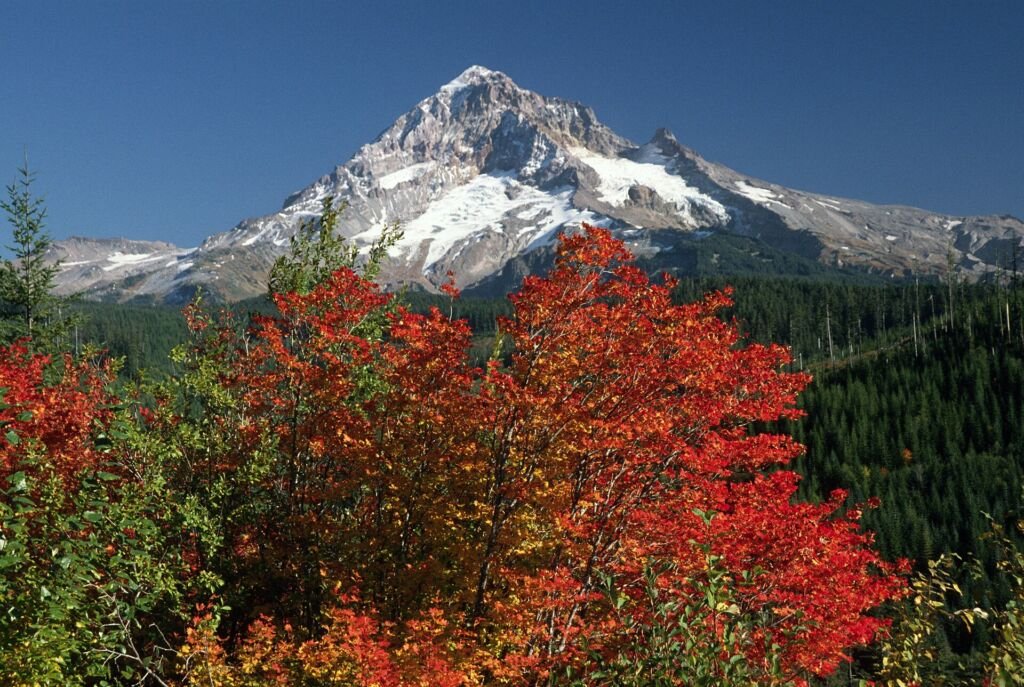
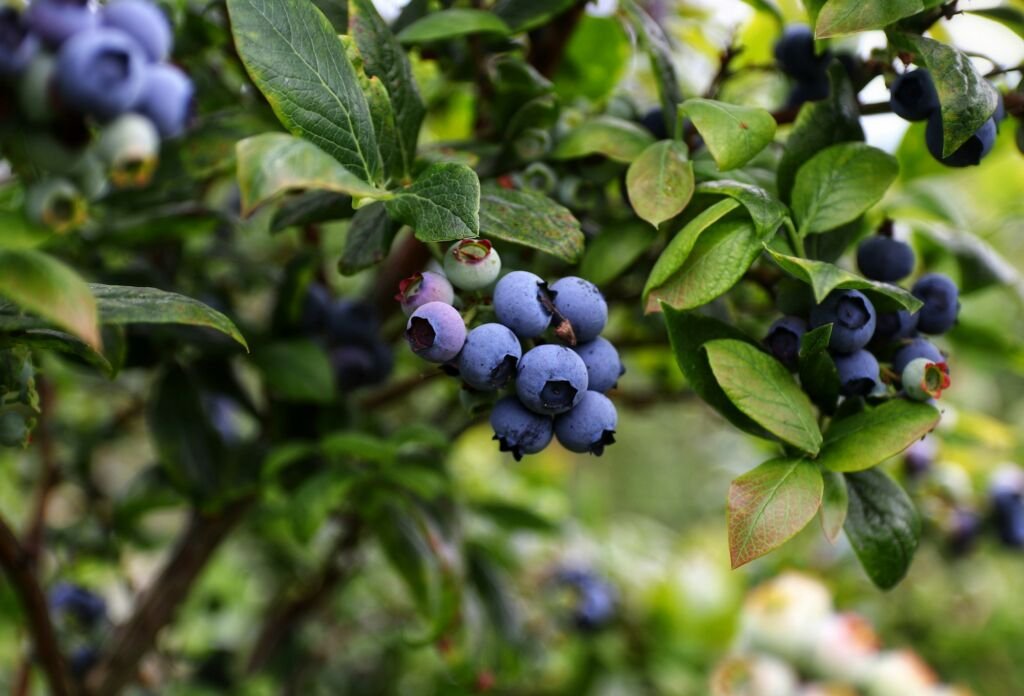
Fall on the mountain comes in layers. Huckleberries ripen first, in the high meadows and along ridge trails. Maples color the lower forest after that, and western larch, a conifer that drops its needles, turns gold late in the season. The Forest Service names the Hood River Valley and the Timberline Trail as places to see fall color on Mt. Hood.
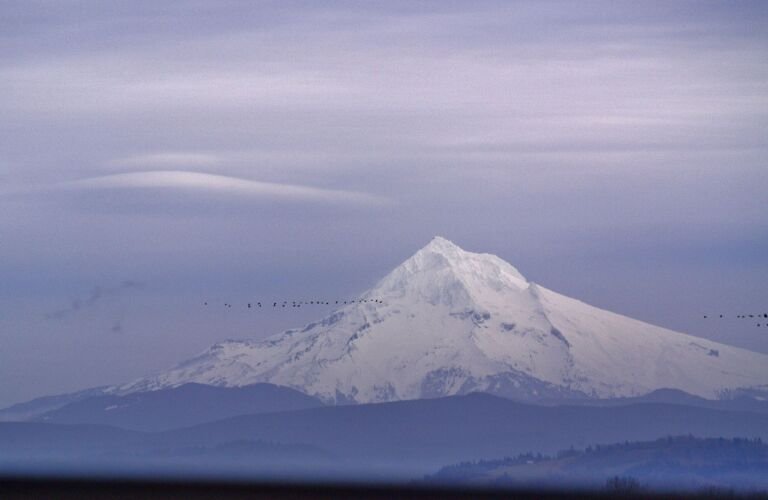
The tradeoff is snow. The high trails close up first, so hike them early, then follow the color downhill. For more trail ideas any time of year, see hikes with Mt. Hood views and waterfall hikes.
Late August on Top Spur, and on Zigzag Mountain from September until frost.
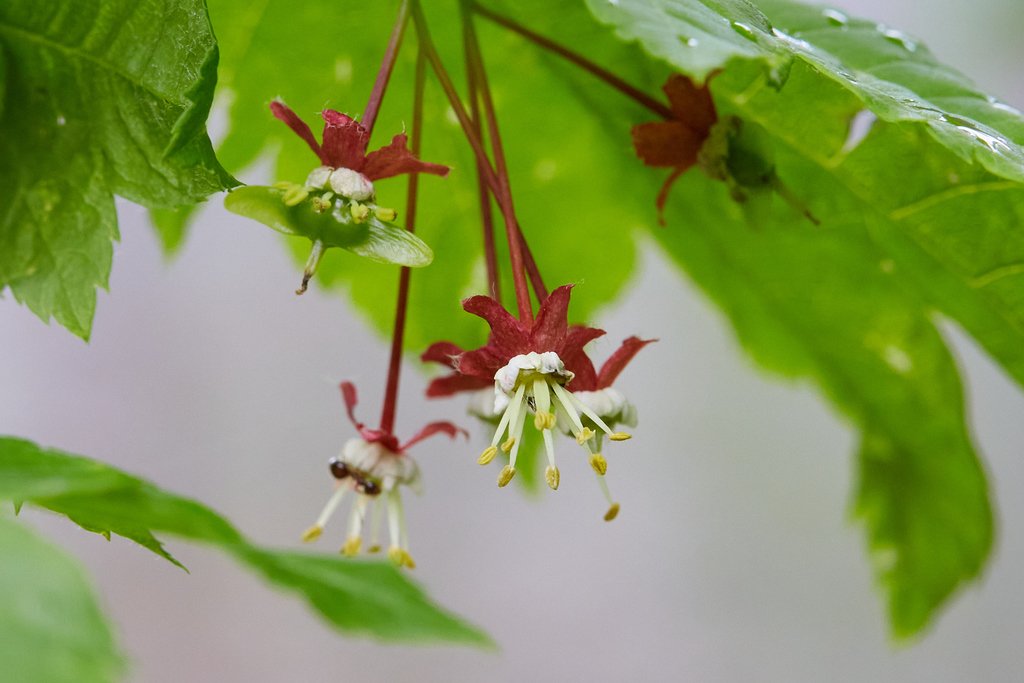
Leaves go yellow or red. It grows in moist forest and along streams, and in Oregon it stays almost entirely west of the Cascade crest.
Big golden leaves that carpet the forest floor.
Gold needles late in fall. Our trail data doesn't say where it grows, so ask a ranger district where to look.
Each of these names huckleberries, or blueberries, in its trail notes. Most are high, so go in late August and September.
 Top Spur Trail #785
1 mi round trip
348 ft
Easy
A half-mile forested trail from the Lolo Pass area into the Mount Hood Wilderness, often used to reach the Timberline and Pacific…
 Zigzag Mountain Trail #775
24.4 mi round trip
8,421 ft
Very hard
A long Mount Hood Wilderness ridge route from near Zigzag over Zigzag Mountain toward Paradise Park, with Mt. Hood views and old…
 Alpine Trail
4.2 mi round trip
1,424 ft
A steep 2.1-mile trail between Government Camp and Timberline Lodge, a downhill ski route in winter with plenty of huckleberries in summer.
 Glade Trail #661
5.4 mi round trip
1,920 ft
A steep trail between Crosstown Trail #755 and historic Timberline Lodge, used by downhill skiers in winter and known for late summer…
 Twin Lakes Trail #495
6 mi round trip
950 ft
Hard
A Mount Hood Wilderness trail off the Pacific Crest Trail that visits Lower and Upper Twin Lakes, with swimming and a cliff-top…
 Huckleberry Mountain Trail #617
4 mi round trip
894 ft
Moderate
A moderate climb from the south end of Lost Lake to the Pacific Crest Trail through huckleberry and old-growth hemlock, with an…
Eden Park Trail #600H
3.4 mi round trip
1,011 ft
Moderate
A short Mount Hood Wilderness detour off the Timberline Trail through Eden Park, a wet meadow of wildflowers and huckleberry on the…
 Anvil Lake Trail #724
3 mi round trip
265 ft
Easy
Anvil Lake Trail crosses Black Wolf Meadows, with wildflowers and huckleberries, on the way to Anvil Lake and its good fishing.
 Teacup Lake Trail #677
0.4 mi round trip
44 ft
Easy
A short, easy hike from Oregon Highway 35 to Teacup Lake, with blueberries along the trail in late summer.
 Old Skyline Trail
7 mi round trip
1,067 ft
Hard
A 2.5-mile trail from Lost Lake Horse Camp through timber and huckleberry, with an unbridged crossing of Lake Branch Creek on its…
Berry timing changes with elevation and the year's weather, so treat these as starting points. You can gather as much as 3 gallons of berries a year for your own use, with no permit. See our harvesting guide for the rest of the rules.
A busy half-mile trail off Lolo Pass Road, known for huckleberries in late August, that leads on to the Timberline Trail.
Reaches the top in 3.5 miles, with two old lookout sites, many Mt. Hood views and berries that can last until frost.
Two steep climbs from the edge of Government Camp up to Timberline Lodge, both with plenty of berries late in the summer.
Ripe berries in late summer, and a cliff-top view of Mt. Hood from the upper lake.
Climbs from Lost Lake through thick huckleberry and old hemlock, with a look back at the lake about half a mile up.
Do these in September or early October, while the roads are open and the trails are clear. The Forest Service lists the Timberline Trail's season as July to October.
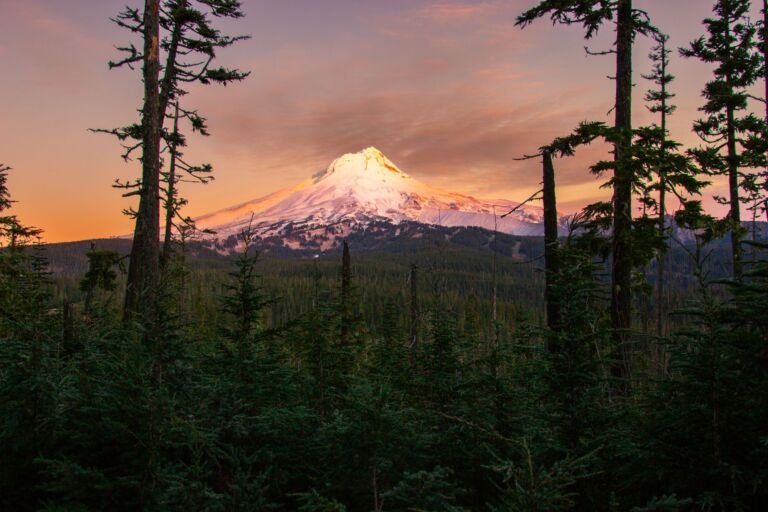 Timberline Trail #600
39.2 mi loop
11,267 ft
Very hard
A loop of about 40 miles around Mt. Hood near tree line, built by the CCC in the 1930s, with waterfalls, alpine…
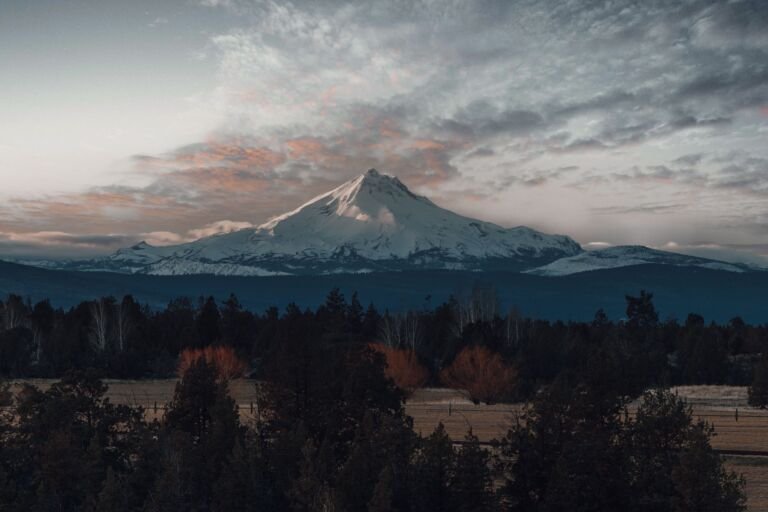 Elk Cove Trail #631
10 mi round trip
2,323 ft
Very hard
A Mount Hood Wilderness climb from Laurance Lake Road to the Timberline Trail, with meadows, wildflowers and close views of Mt. Hood's…
Paradise Park Loop Trail #757
4.8 mi round trip
1,195 ft
Hard
A 4.6-mile loop with the PCT through the wildflower meadows of Paradise Park in the Mount Hood Wilderness, reached from Timberline Lodge…
Tilly Jane Trail #600A
3.4 mi round trip
1,077 ft
Moderate
A climb through 2008 wildfire remains on Mt. Hood's northeast side, from Cloud Cap Saddle Campground by Tilly Jane Campground to the…
 Vista Ridge Trail #626
5 mi round trip
1,159 ft
Hard
One of the shorter routes to Timberline Trail on Mount Hood's north side, climbing Vista Ridge to the Eden Park Trail junction.
Pinnacle Ridge Trail #630
6 mi round trip
2,160 ft
Hard
A steep climb up Pinnacle Ridge on Mount Hood's north side to the Timberline Trail, with alpine meadows and side trips to…
Lamberson Spur Trail #644
3.2 mi round trip
1,330 ft
Moderate
A Mount Hood Wilderness spur off Elk Meadows Trail that climbs to the east ridge of Lamberson Butte for a wide view…
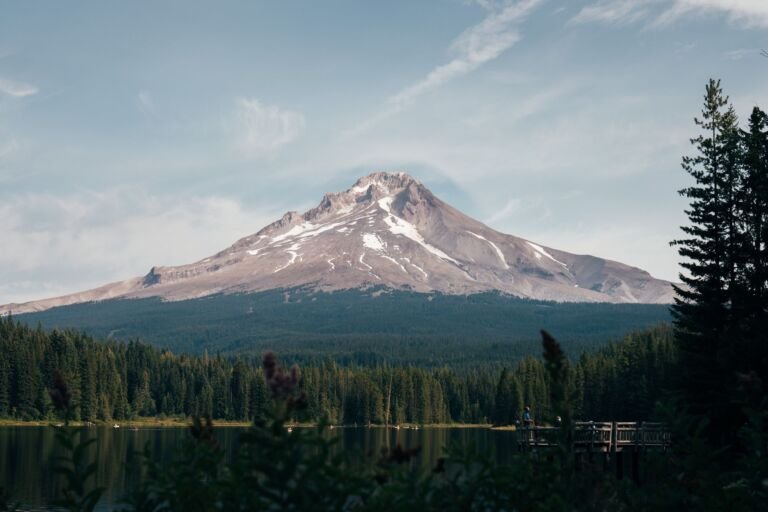
Late in the year, roads matter as much as trails. The Forest Service doesn't plow its roads, and most of its seasonal road closures run from December 1 through March 31. Some close sooner. Cloud Cap Road, the way to the Tilly Jane Trail on the north side, closes November 30 or earlier, depending on the weather. The road to Trillium Lake closes December 1.
From November 1, many trailheads near the highway turn into Sno-Parks and need a Sno-Park permit to park. Check road conditions and alerts before every late-season trip, and see Sno-Parks and recreation passes. For the rest of the year, see the best time to visit Mt. Hood.
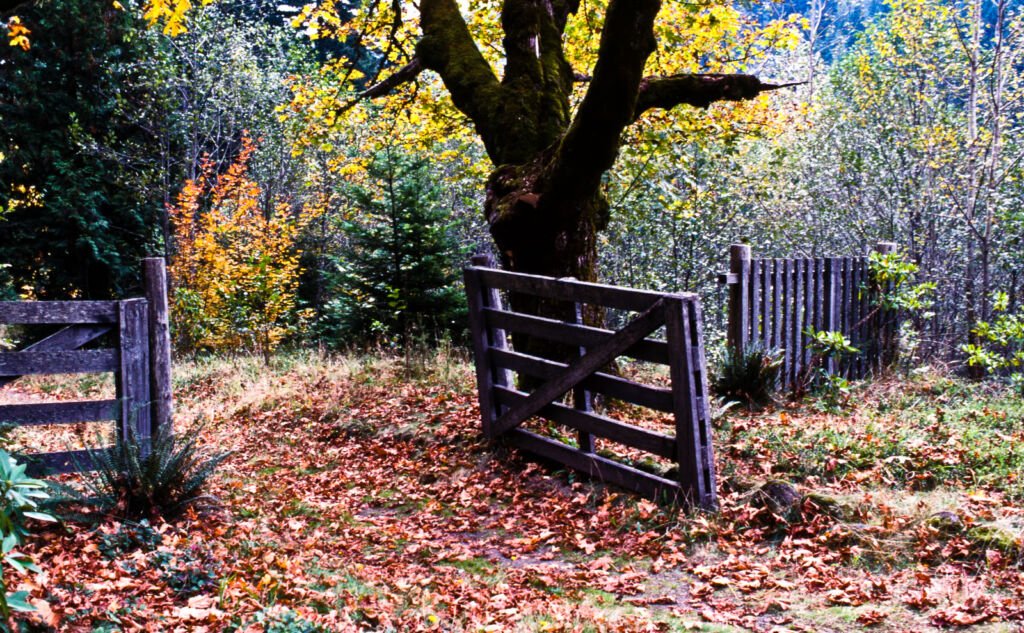
The best month for high trails, berries and open roads.
Look for maple color lower down. In one western Oregon study, vine maple leaf fall peaked in the third week of October.
Stick to low trails near paved roads, and be ready for snow up high.
Vine maple is common in moist forest understory and along streams, so these low river, canyon and oak trails are good places to look for color once the high country turns cold.
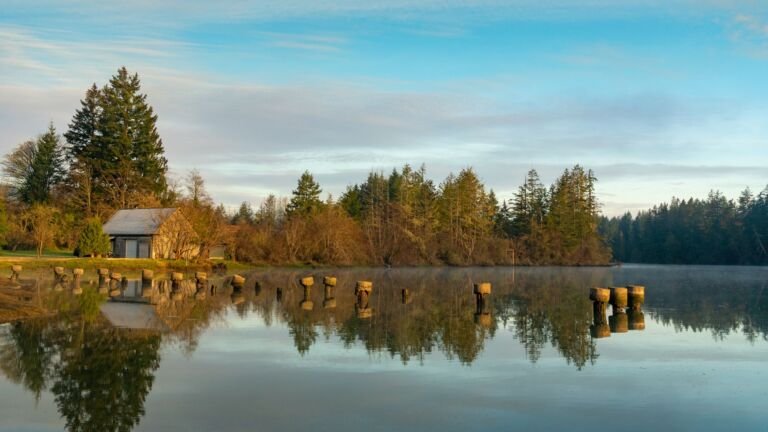 Old Salmon River Trail #742A
3.8 mi round trip
280 ft
Easy
A kid-friendly 1.9-mile walk beside the Wild and Scenic Salmon River through old-growth forest in the Zigzag Ranger District.
 Castle Canyon Trail #765
1.6 mi round trip
922 ft
Moderate
A short Mount Hood Wilderness day hike near Rhododendron that climbs steeply to the Pinnacles, a group of tower-like rock formations.
 Little Zigzag Falls Trail #795C
1.2 mi round trip
311 ft
Easy
A family-friendly walk of less than half a mile up a small, cool canyon along the Little Zigzag River, ending at Little…
 Riverside Trail #723
7.4 mi round trip
789 ft
Hard
A National Recreation Trail through old-growth forest beside the Clackamas River, from Rainbow Campground to Riverside Campground.
Alder Flat Trail #574
1.6 mi round trip
200 ft
Easy
A trail off Highway 224 near Ripplebrook that drops about 200 feet through fir, cedar and hemlock to the Clackamas River.
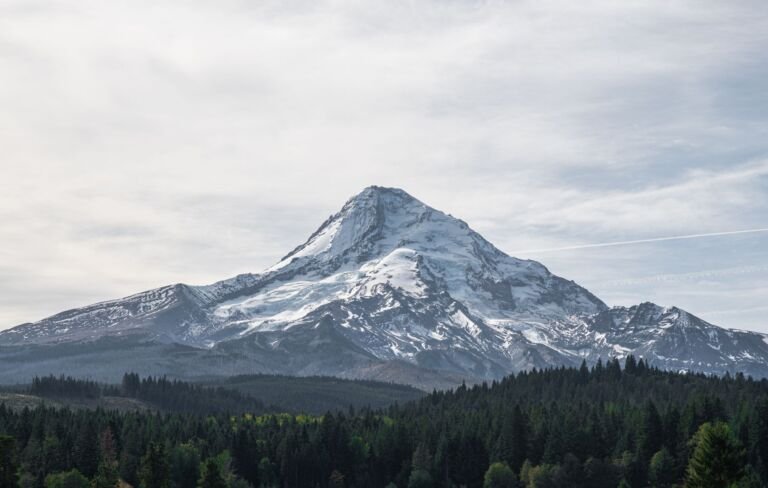 Oak Ridge Trail #688A
2.8 mi round trip
1,218 ft
Moderate
Oak Ridge Trail climbs from Smullin Drive to Surveyor's Ridge Trail through Oregon white oak, with views over the Hood River Valley…
Camas Trail #490A
7.8 mi round trip
955 ft
Hard
A popular 3.3-mile mountain biking trail between Camas Prairie and Keeps Mill Campground through ponderosa pine, with White River Canyon views.
One pick for each part of the season.
Top Spur, then keep going onto the Timberline Trail for views.
Elk Cove, 10 miles round trip to open meadows below the north side of the mountain.
Riverside Trail on the Clackamas, a National Recreation Trail with a beach about 1.6 miles past the first river view.
Oak Ridge, through Oregon white oak above the Hood River Valley. Pair it with the Fruit Loop.
Camas Trail, through ponderosa pine with views of the White River Canyon. The Forest Service calls it especially nice in fall.