Developed campgrounds have numbered sites, picnic tables, fire rings and toilets, and many take reservations. Each page shows the live open or closed status, the season and how to book.
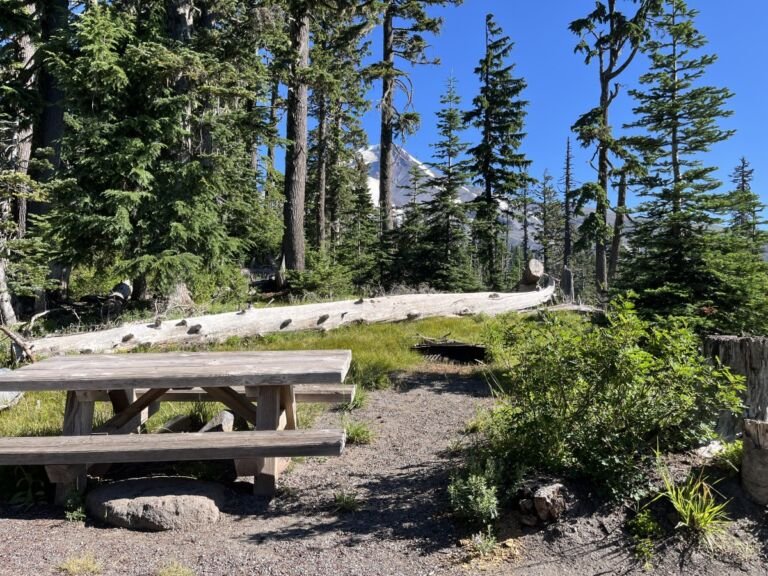 Alpine Campground
The highest campground in Mt. Hood National Forest, above Government Camp near Timberline Lodge, with trails and scenery all around.
 Armstrong Campground
 is a small riverside camp on the Wild and Scenic Clackamas River, 15 miles from Estacada, with roomy sites and…
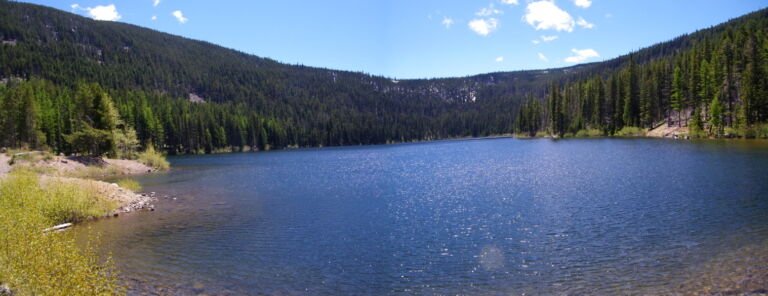 Badger Lake Campground
A campground beside Badger Lake that serves as a main gateway to the Badger Creek Wilderness, reached by rough high-clearance roads.
 Bagby Campground
A forested campground on the Collawash River's Hot Springs Fork, a handy base for Bagby Hot Springs and the Bull of the…
 Barlow Creek Campground
3,100 ft
Barlow Creek Campground lies along the Historic Barlow Road near Barlow Creek, at about 3,100 feet in the Hood River Ranger District.
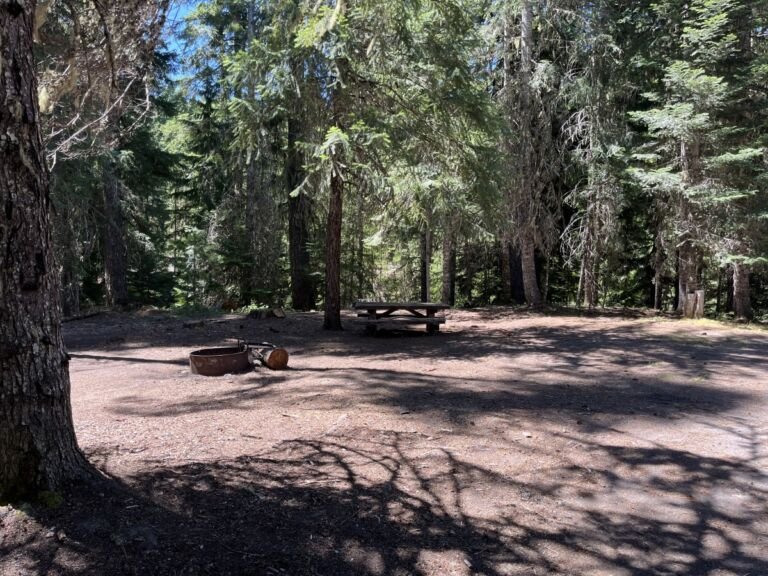 Barlow Crossing Campground
3,100 ft
Barlow Crossing Campground is a small camp on the Historic Barlow Road by Barlow Creek, with vault toilets and no drinking water.
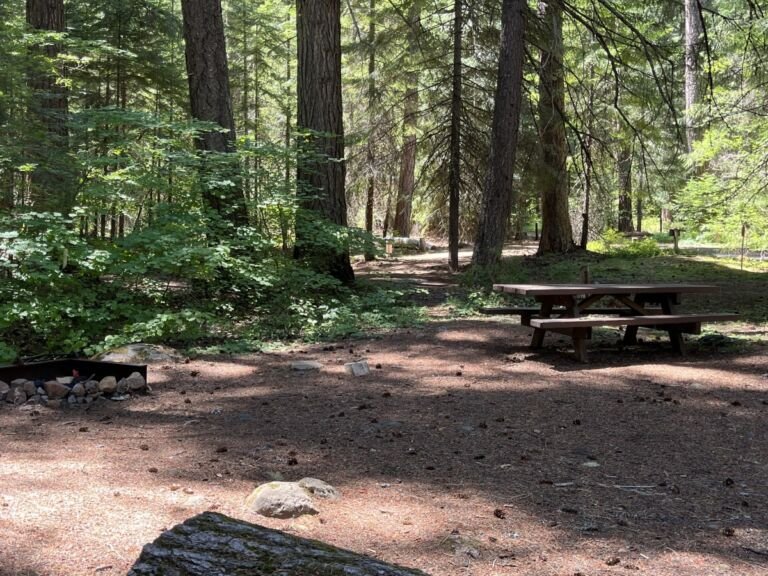 Bear Springs Group Campground
 is a shady ponderosa pine camp on Indian Creek off Highway 216, with group and family sites, picnic…
 Black Lake Campground & Day Use
3,740 ft
A primitive, lightly visited campground and day-use area on Black Lake's east shore, at about 3,700 feet on the Hood River Ranger…
 Bonney Crossing Campground
 is a quiet spot on Badger Creek at an entry point to the Badger Creek Wilderness, with a trail…
 Bonney Meadows Campground
 is a small ridge-top camp beside a meadow, with horse corrals and trails for hikers, bikers and riders.
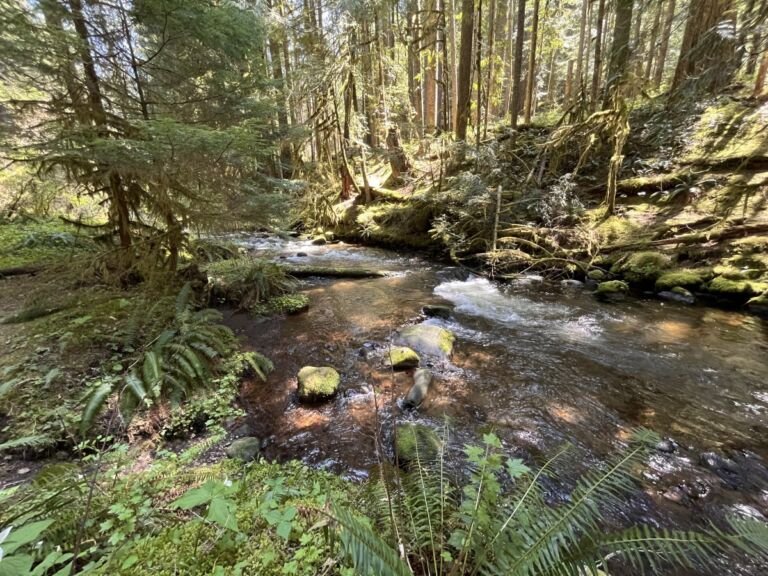 Camp Creek Campground & Day Use
A creekside campground with a day-use area off Highway 26 past Rhododendron, near trails on the edge of the Mount Hood Wilderness.
 Camp Ten Campground (Olallie Lake)
Camp Ten Campground sits on Olallie Lake in the Olallie Lake Scenic Area, a remote spot for non-motorized boating, fishing and trails.
Historic guard stations, fire lookouts and cabins you can rent for the night. Most are rustic, so check each one for what to bring, and book early because they fill fast.
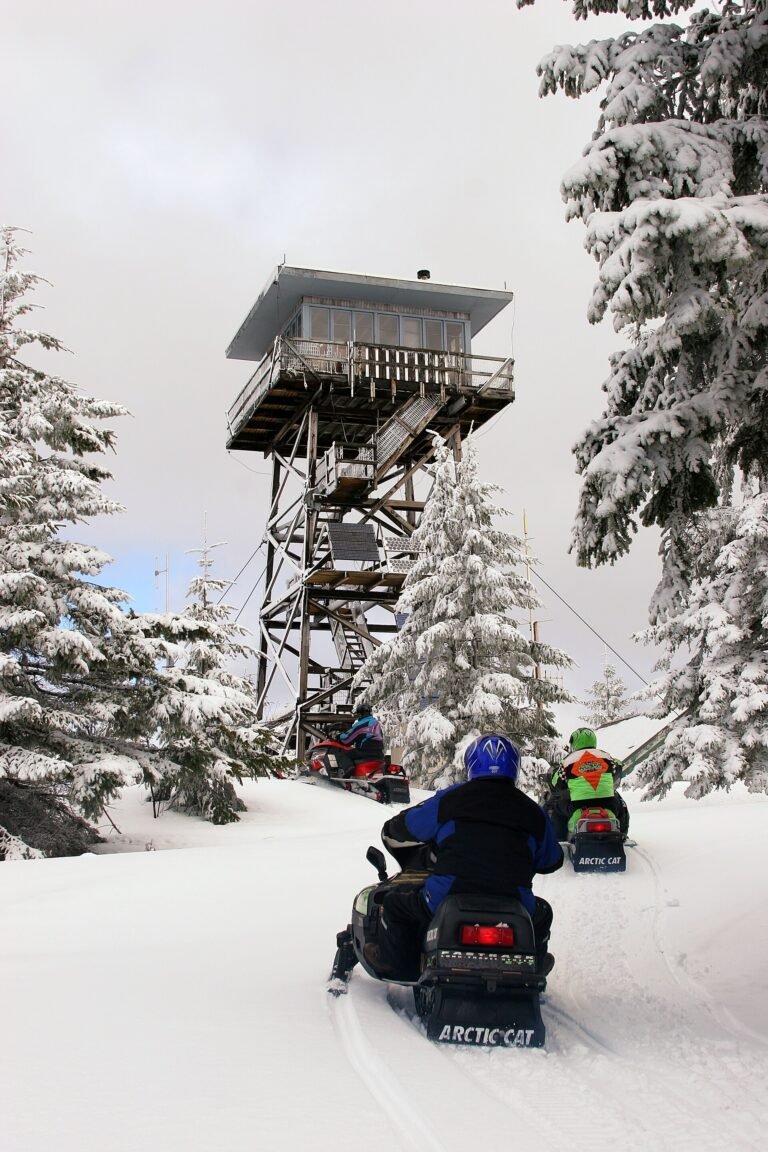 Clear Lake Butte Lookout
Nov – May
A fire lookout rental on a 40-foot tower in the Hood River Ranger District, reached in winter by a 3.5 mile ski…
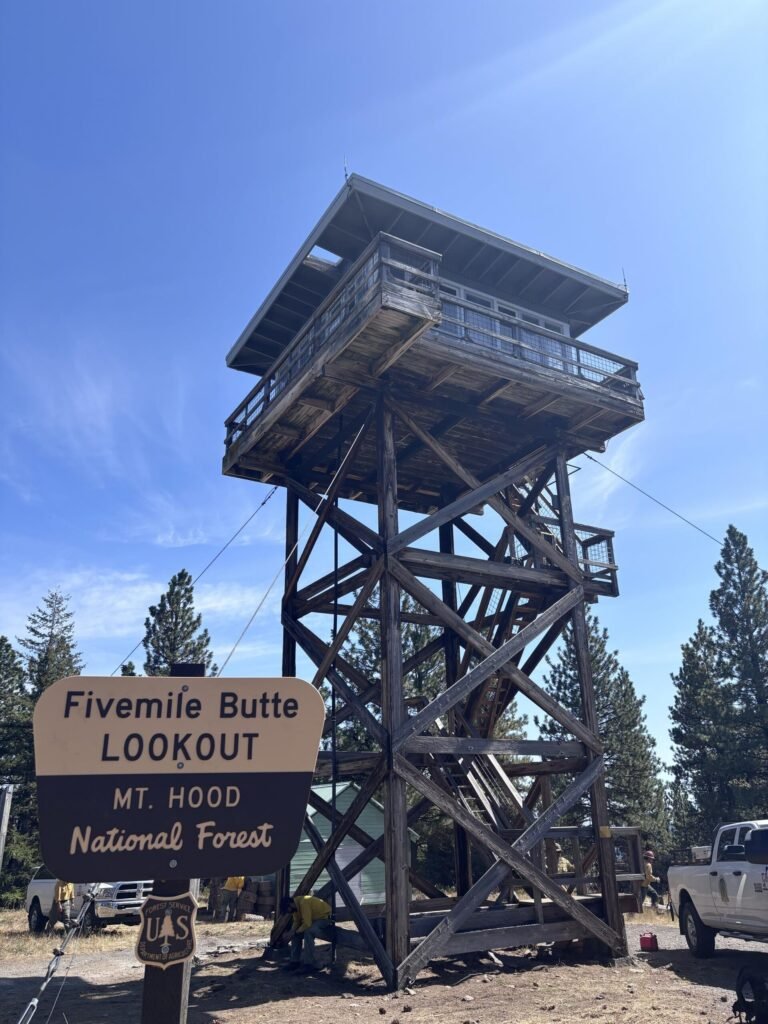 Fivemile Butte Lookout
A rentable fire lookout on a 40-foot tower in the Barlow Ranger District, reached from Dufur by way of Billy Bob Sno-Park.
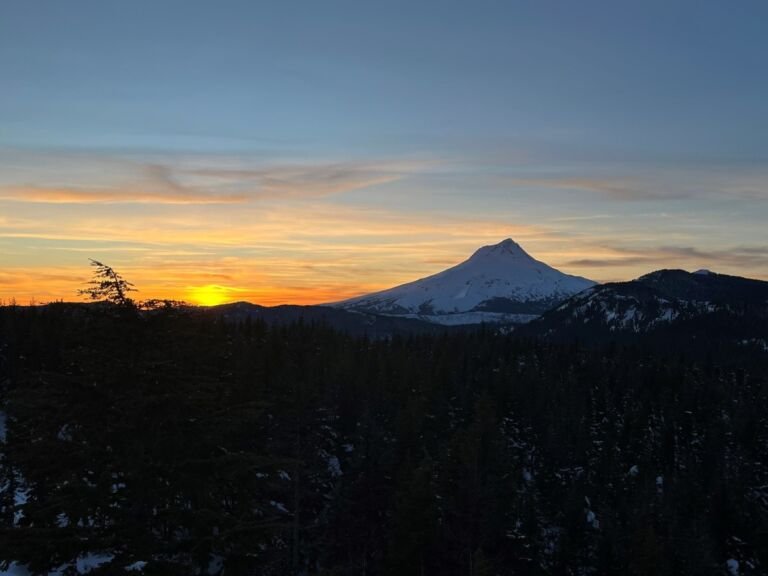 Flag Point Lookout
Nov – May
A fire lookout cabin on a 40-foot tower above the Badger Creek Wilderness, reached in winter by ski, snowshoe or snowmobile from…
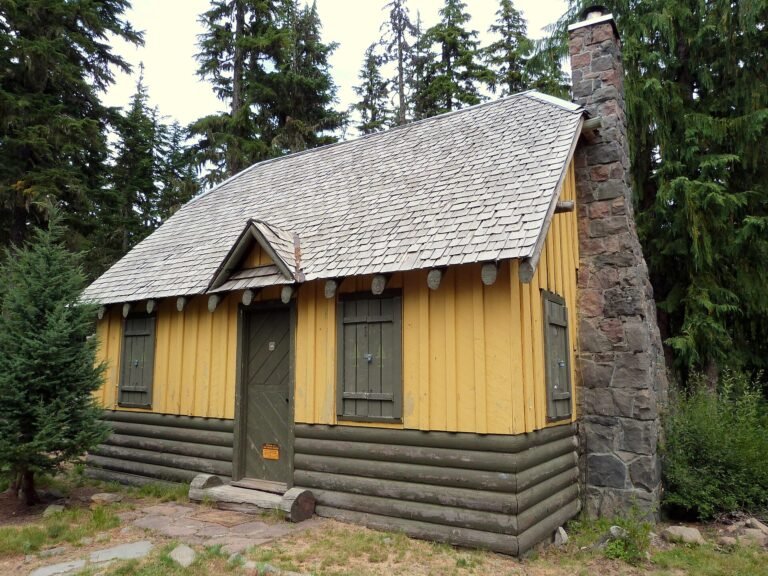 Olallie Lake Guard Station
Jun – Sep
A historic rental cabin near Olallie Lake at almost 5,000 feet, with a massive stone chimney, wood interior, and hand-wrought ironwork.
 Tilly Jane A-Frame
The Tilly Jane A-Frame is a historic cabin on Mt. Hood that sleeps 2 to 20, a base for hiking, snowshoeing and…
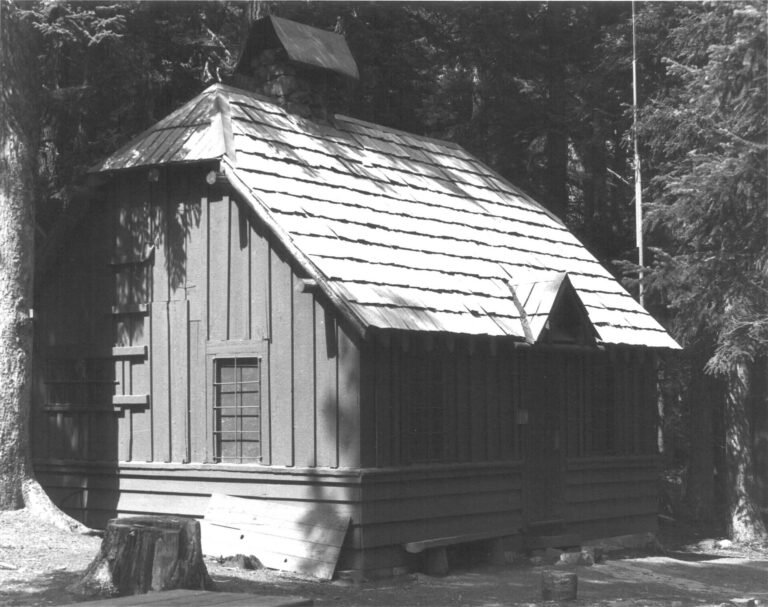 Tilly Jane Guard Station
A 1934 guard station at about 5,700 feet on Mt. Hood's northeast side that serves as a winter cabin for skiers and…
Group campgrounds and group sites hold larger parties, from family reunions to scout troops. Most take reservations, so book ahead.
Bear Springs Group Campground
Bear Springs Group Campground is a shady ponderosa pine camp on Indian Creek off Highway 216, with group and family sites, picnic…
 Raab Group Campground
 hosts groups on the Collawash River, a base for hiking, fly fishing, biking, rafting and kayaking.
 Stone Creek Group Horse Camp (Timothy Lake)
3,227 ft
Stone Creek Group Horse Camp near Timothy Lake is a group campground built for equestrians, with corrals at every site, on Forest…
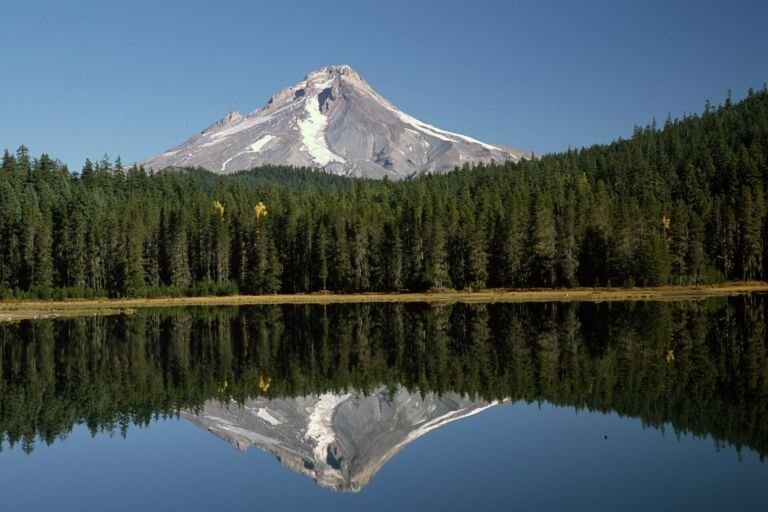 Best campgroundsOur picks by type: lakes, creeks, quiet spots and big rigs.Read the guide
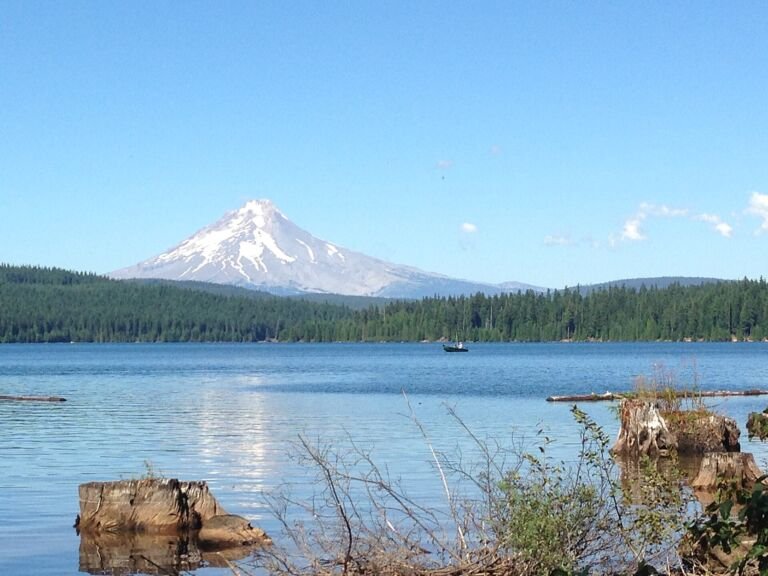 Lakeside campingCampgrounds on the water, lake by lake.Read the guide
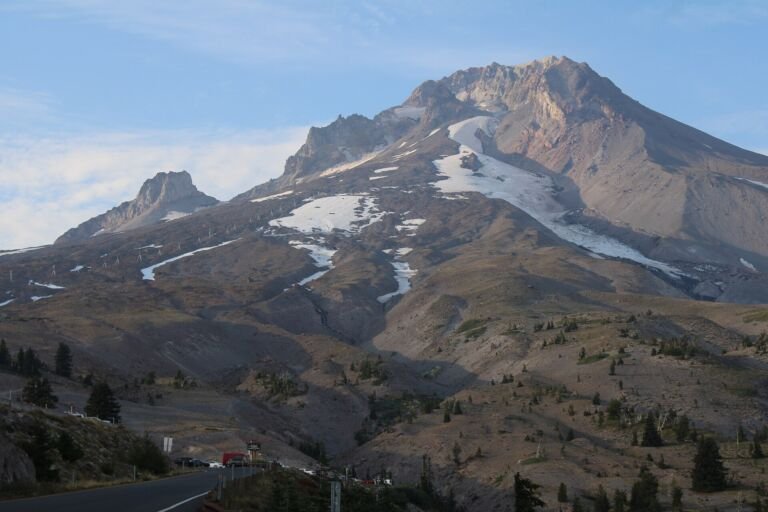 Camping near Government CampCampgrounds a short drive from town, by direction.Read the guide
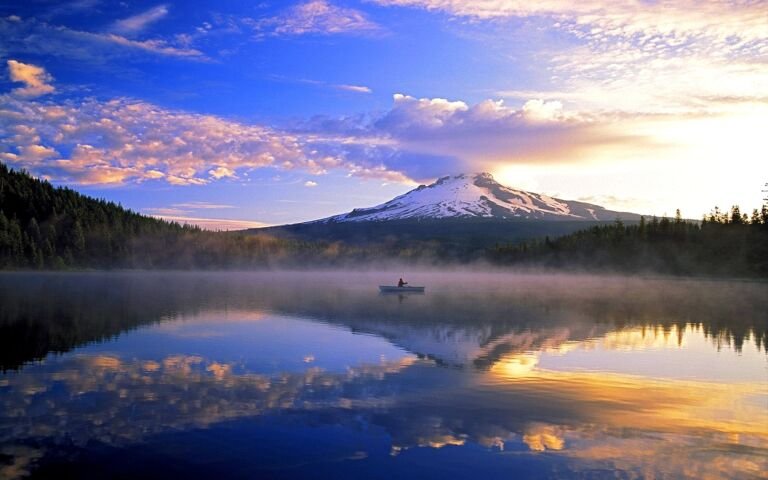 Family-friendly campgroundsLake and creek camps with short trails, water and toilets.Read the guide Dog-friendly campgroundsCamps that allow pets, and the leash rules that apply.Read the guide Accessible campgroundsCampgrounds with accessible sites, toilets or paths, from official sources.Read the guide
 Campgrounds with showersWhere to find a hot shower near the forest, and why the forest camps have none.Read the guide
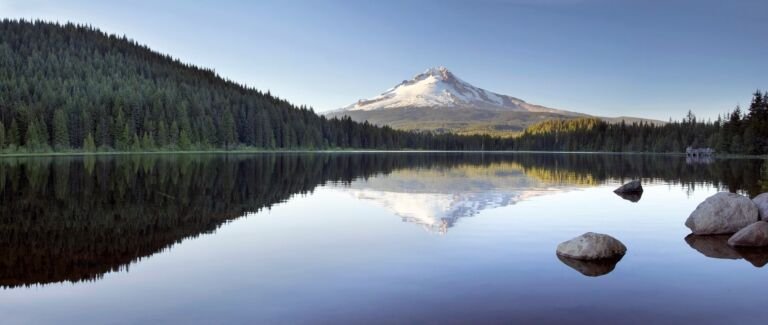 Group camps and getawaysGroup campsites, cabins and lodges for friends, birthdays and families.Read the guide First-come, first-served campingCampgrounds with sites you can take without a reservation.Read the guide
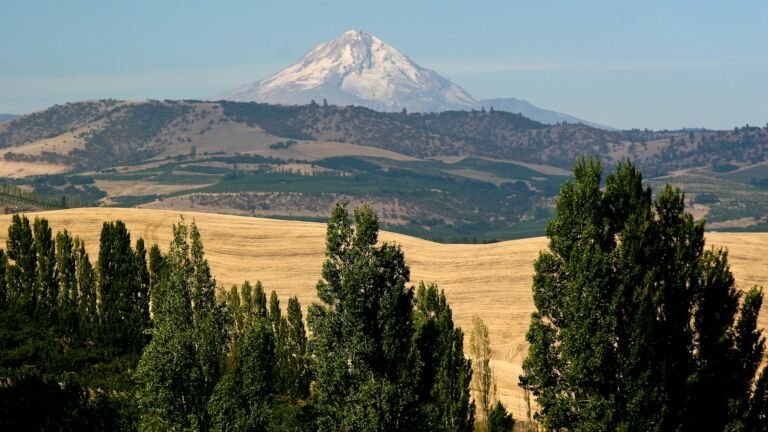 Free and dispersed campingHow camping outside campgrounds works on the forest.Read the guide
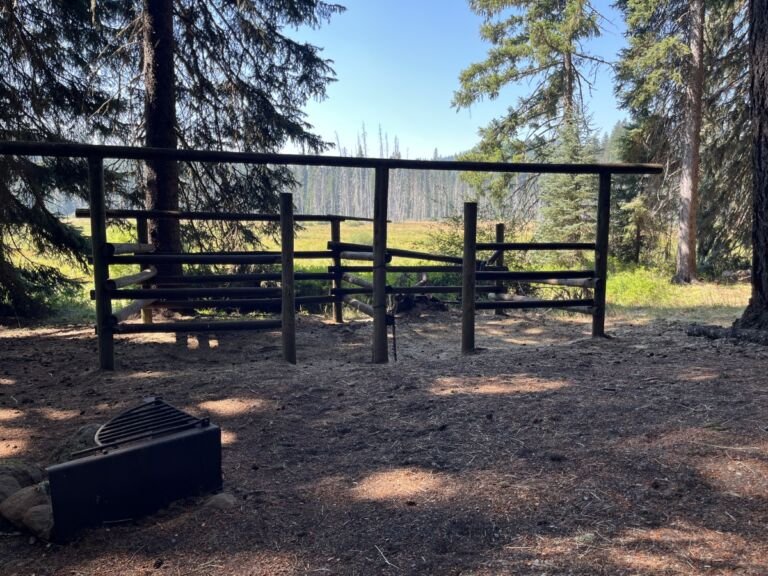 Horse campsCamps with corrals and the trails that start from them.Read the guide
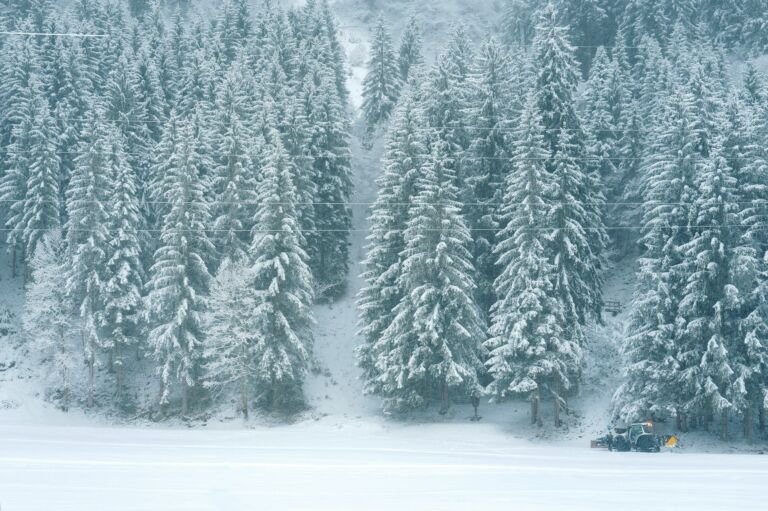 Fire lookout and cabin rentalsLookouts, cabins and guard stations you can rent.Read the guide