
Hood River Valley growers started the Fruit Loop in 1992 to bring buyers straight to their farms, and printed the first map a year later. Fruit trees first went into this valley in 1855, and pears, apples and cherries now cover about 14,500 acres of it. There is no set start time or order. You follow the map at your own pace and stop wherever you like. Members must meet the group's standards for things like cleanliness and accurate information, and each farm runs on its own.
Orchard stands and country stores sell fresh fruit, pies, jams, cider and gifts, much of it grown on the same farm.
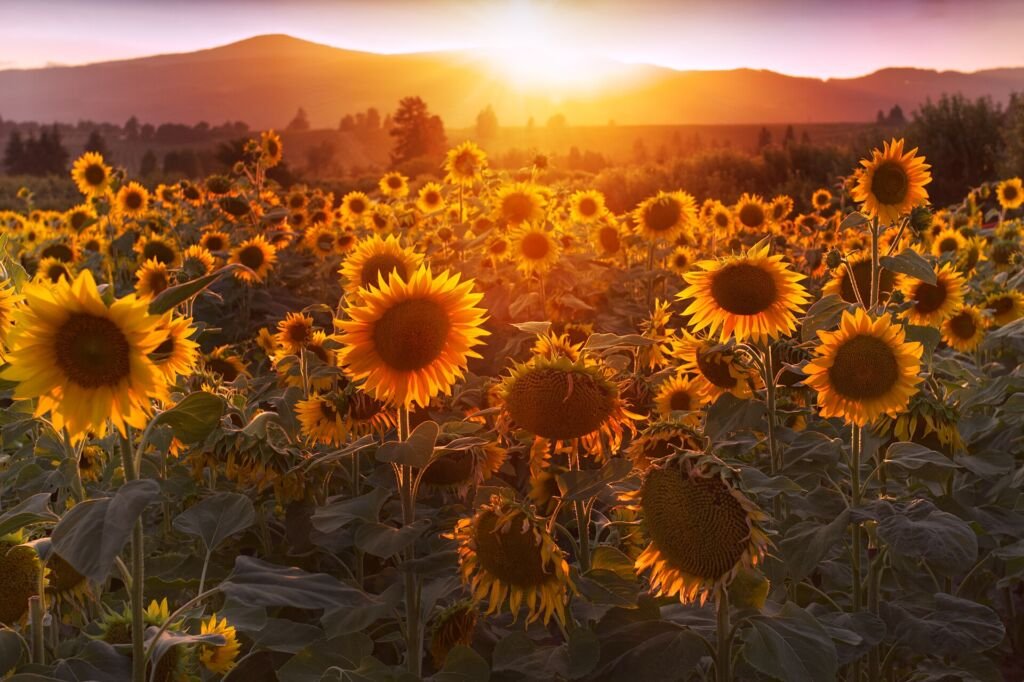
Many members, though not all, let you pick your own berries, cherries, stone fruit, apples, pears, lavender or flowers in season.
Wineries, cideries, distilleries and a farm brewery share the route with the fruit stands.
Farms all over the valley look up at Mt. Hood, and many also face Mt. Adams across the Columbia.
SpringApr to May
Early summerJun to Jul
Late summerAug to early Sep
FallSep to Oct
WinterNov to Mar
Check the harvest report before you go. Crops ripen when the weather says so, not by the calendar, and a u-pick field can run out fast. The Fruit Loop keeps a U-Pick and Harvest Dates chart on its website, and each farm posts what is ready on its own site and social media. If you are driving out for one crop, call the farm first.
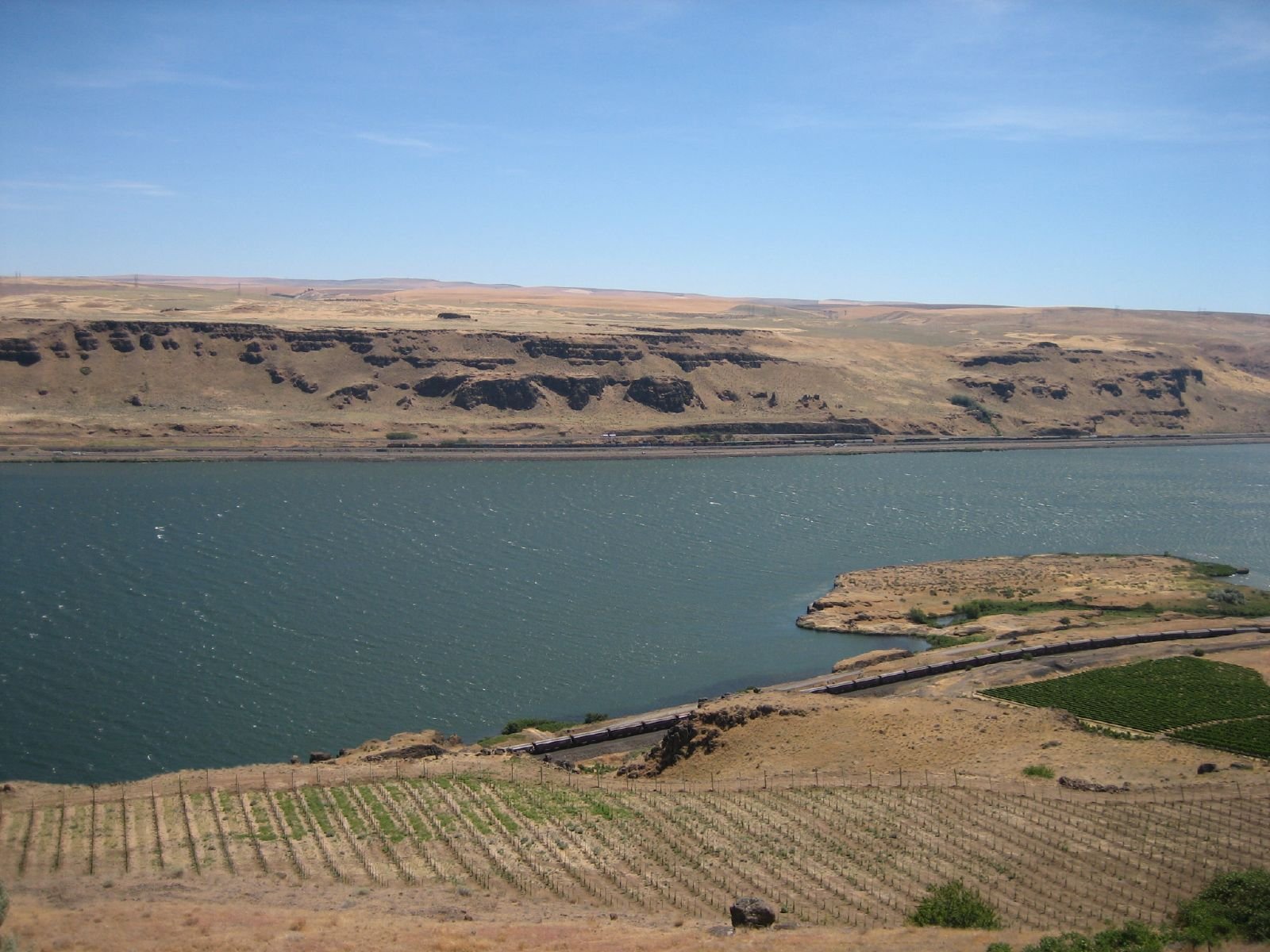
The vineyards of the Hood River Valley are part of the Columbia Gorge wine region, which follows the Columbia River for about 40 miles on both the Oregon and Washington shores, roughly an hour from Portland. The Columbia Gorge AVA dates to 2004, and growers across the region work with more than 50 grape varieties.
That variety comes from a fast change in climate. The west end, near the Cascades, is cool and wet, while the east end turns to high desert with about 10 inches of rain a year. Vineyards sit anywhere from near sea level to about 2,000 feet, and the steady Gorge wind cools and dries the vines. In one afternoon you can taste cool-climate Pinot noir, Chardonnay and Riesling, then warmer-climate Syrah, Cabernet or Zinfandel.
Most wineries here are small. The Columbia Gorge Winegrowers count about 50 wineries in the region, and 95 percent of them make 5,000 cases a year or fewer. The first 11 wineries and cideries listed below are Fruit Loop members; the rest are a short drive away in downtown Hood River and Mosier.
The Gorge White HouseWinery & cidery
Hood River
A farm stop on more than 30 acres of orchard that pours hard ciders and wines, with a food cart and u-pick fruit and flower fields.
Visit websiteMt. Hood WineryWinery
Hood River
Estate Riesling, Pinot Gris, Gewürztraminer, Chardonnay and Pinot Noir from the Bickford family's century farm, poured on a patio that looks at both Mt. Hood and Mt. Adams.
Visit websiteWy'East VineyardsWinery
Hood River
A family winery on OR 35 with 30 acres of estate vines planted to Pinot Noir, Pinot Gris and Chardonnay, plus bocce, gardens and resident alpacas.
Visit websiteFox-Tail Cider & DistilleryCidery
Hood River
A family farm south of town that turns its own fruit into hard ciders and spirits, paired with the Smiley's Red Barn fruit stand.
Visit websiteStave & Stone Wine EstatesWinery
Hood River
A farm worked since 1919 that now pours estate wines from Riesling to Cabernet, with Hood River Lavender Farms on the same estate.
Visit websiteDraper Girls Cider CompanyCidery
Parkdale
Small-batch hard ciders fermented from the family's heritage apples, served at a u-pick farm with close views of Mt. Hood.
Visit websiteGrateful VineyardWinery & cidery
Parkdale
A winery, cidery and brewery in one orchard tasting room on Mt. Hood's north side, whose specialty is high-elevation sparkling wine.
Visit websiteHood Crest Winery & DistillersWinery
Hood River
Estate Chardonnay and Pinot Noir alongside house-made brandy, gin and whiskey, with wood-fired pizza and views of Mt. Hood over the valley.
Visit websiteMarchesi Vineyards & WineryWinery
Hood River
A small Italian-style winery on the Hood River Heights growing Pinot Grigio, Barbera, Dolcetto and Pinot Noir, run by a winemaker raised in Piedmont.
Visit websitePhelps Creek VineyardsWinery
Hood River
Cool-climate Pinot Noir, Chardonnay and Riesling from estate vines next to a creekside tasting room at the start of the Westside Wine Trail.
Visit websiteCathedral Ridge WineryWinery
Hood River
Known for big, bold reds and signature blends from Gorge and Columbia Valley grapes, served on grounds that look out at Mt. Hood and Mt. Adams.
Visit websiteThe Pines 1852Winery
Hood River
A downtown tasting room for wines from a vineyard first planted in the 1890s, which ranks among the oldest in the Northwest.
Visit websiteGarnier VineyardsWinery
Mosier
A family-owned, sustainability-minded winery on the historic Mayerdale Estate about five miles east of Hood River, making reds and whites shaped by Gorge winds.
Visit websiteIdiot's GraceWinery
Mosier
A small certified organic farm and winery with vines on a cobbly terrace above the Columbia, growing grapes such as Cabernet Franc, Barbera and Chenin Blanc.
Visit websiteAnalemma WinesWinery
Mosier
A Biodynamic grower in the Mosier Valley making small lots of estate-grown wine with no additives.
Visit websiteDouble Strand WineWinery
Mosier
A minimal-intervention family winery on Rocky Prairie south of Mosier, known for varietal wines and honey-based cherry and grape dessert wines.
Visit websitePlan your ride before the first pour. Wineries, cideries and distilleries sit right beside family fruit stands on the Fruit Loop, and the roads are narrow, rural and shared with cyclists and farm equipment. Pick a designated driver or hire a local tour company, keep tastings small, and feel free to use the dump bucket. Many tasting rooms admit only guests 21 and over, so bring ID and check the rules before bringing kids.
Take I-84 east through the Columbia River Gorge to Hood River, about an hour from Portland. The official Fruit Loop map picks up at Hood River and follows OR 35 south into the valley.
From US 26 on the mountain, take OR 35 north toward Hood River. The highway drops into the upper valley near Parkdale, so you can drive the loop from south to north.
Pick up a printed Fruit Loop map at any member farm stand or print one from the Fruit Loop website. It numbers every member stop and marks the main route.
The main route uses OR 35 on the east side of the valley and the Dee Highway (OR 281) on the west, with short side roads out to each farm. Plan around the few stops you care about most.
Drive up US 26 from Portland, cross the mountain to OR 35, work north through the farms, and return on I-84 through the Gorge. Near Hood River, take the short detour to Panorama Point for a wide view of Mt. Hood and the valley.
OR 35 is open all year when the weather allows. In late fall and winter, check TripCheck for road conditions before you cross the mountain.
Every stop on the Fruit Loop is a working farm or winery, and the people running it are on the job while you visit. A few habits keep you welcome.
Keep to the stand, the parking lot and marked visitor spaces, respect signs that close an area, and stay out of orchard rows and farm roads unless the host invites you in. Take photos from those spots too.
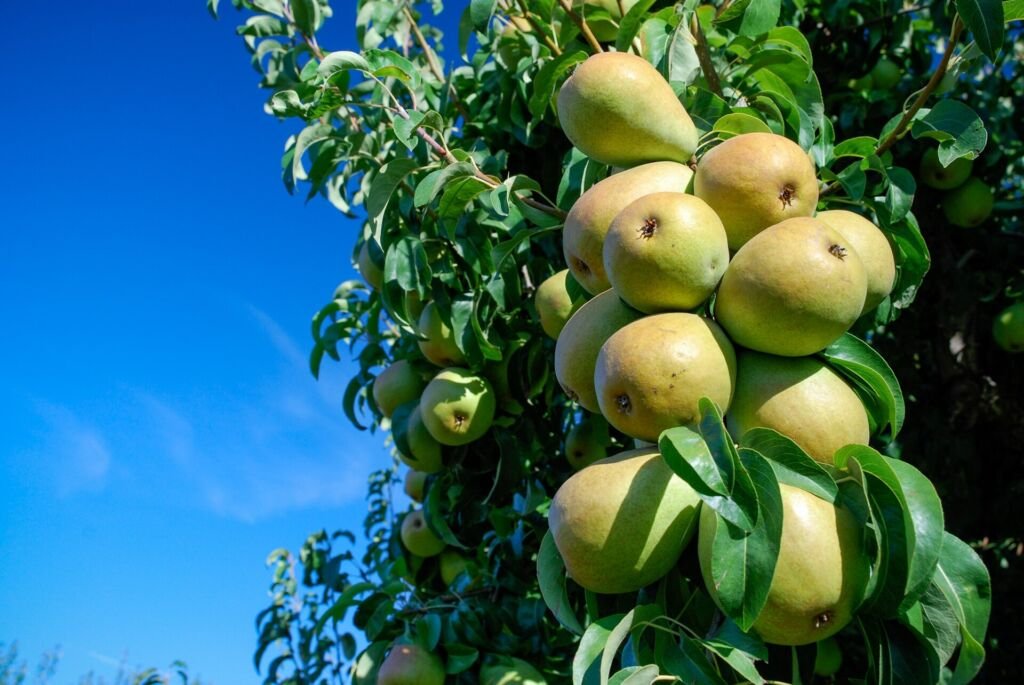
Pick only where the host sends you, handle branches gently, keep kids close, and pay for fruit before you snack on it. Never climb the trees.
The roads are narrow and rural. Go easy, give cyclists and tractors room, use marked parking, and never block a gate or driveway.
Skip perfume and scented lotion, try a grape you have never heard of, ask staff for tips, and use the dump bucket without a second thought. Weekdays are often quieter.
Plan on a full day. The Fruit Loop says most visitors spend one day on the 35-mile route, though you can see a few stands in a morning or stretch the trip to two days with a night in the valley. How long you need depends on how many farms you stop at and whether you pick your own fruit.
It depends on what you want to see. Fruit tree blossoms usually color the valley in April and May. Strawberries start in June, cherries follow in late June and July, and lavender blooms through the summer. Blueberries and peaches arrive in July and August, with summer pears close behind. September and October bring apples, fall pears, pumpkins and fresh cider, and Visit Hood River names early fall as its favorite harvest time. Something is in season from June through October.
The loop begins and ends in the town of Hood River, just off I-84, and heads south into the valley on OR 35. Because it is a loop, you can join it anywhere. Coming from Mt. Hood on OR 35, you reach the upper valley near Parkdale first and can drive it from south to north. Pick up a printed map at any member farm stand or print one from the Fruit Loop website.
No. The Fruit Loop is a self-guided drive on public country roads, so there is no ticket or pass for the route. You pay each farm for the fruit, food, wine or cider you buy. Some farm events and guided tours, such as The Fruit Company's packing house and orchard tour, are booked separately.
Check each stop. Every member sets its own pet rules, and since these are working farms with livestock, many do not let pets out of the car. Several wineries welcome leashed dogs on their patios, but u-pick fields are another matter, so leave your dog at home if picking fruit is the plan.
Yes. About a dozen Fruit Loop members pour wine, hard cider or spirits, from Phelps Creek and Cathedral Ridge on the west side of Hood River to Grateful Vineyard near Parkdale. They belong to the Columbia Gorge wine region, which grows more than 50 grape varieties along about 40 miles of the Columbia River. Downtown Hood River and nearby Mosier add more tasting rooms.
The roads are, but most farm stands are not. OR 35 stays open all year when weather allows, while many stands close for the season in late fall. Some country stores, cideries and tasting rooms stay open through the winter on shorter schedules, so check each business before you drive out, and look at road and weather conditions if you are coming over Mt. Hood.
No, but many do. The Fruit Loop's U-Pick and Harvest Dates page shows which members offer picking and for which crops, from strawberries and cherries to apples and pumpkins. Fields can be picked clean quickly, so call the farm before you go.
Farms and tasting rooms set their own seasons and hours; check before you go.