
A wilderness is federal land that Congress has set aside to stay much as nature shaped it, with no roads, buildings or permanent improvements. The Wilderness Act of 1964 created the system. Besides wild land, it protects room for solitude and simple, self-powered travel.
Mt. Hood's first wilderness, on the upper slopes of the peak, came with that 1964 law. Congress added more land in 1978 and 1984, and a 2009 public lands law added over 124,000 acres here, including three new areas: Clackamas, Lower White River and Roaring River.
Wilderness is meant to be used. Hiking, backpacking, horse packing, fishing and hunting are all welcome, and Oregon fishing and hunting rules apply. Browse all guide trails or start with our Mt. Hood hiking guide.
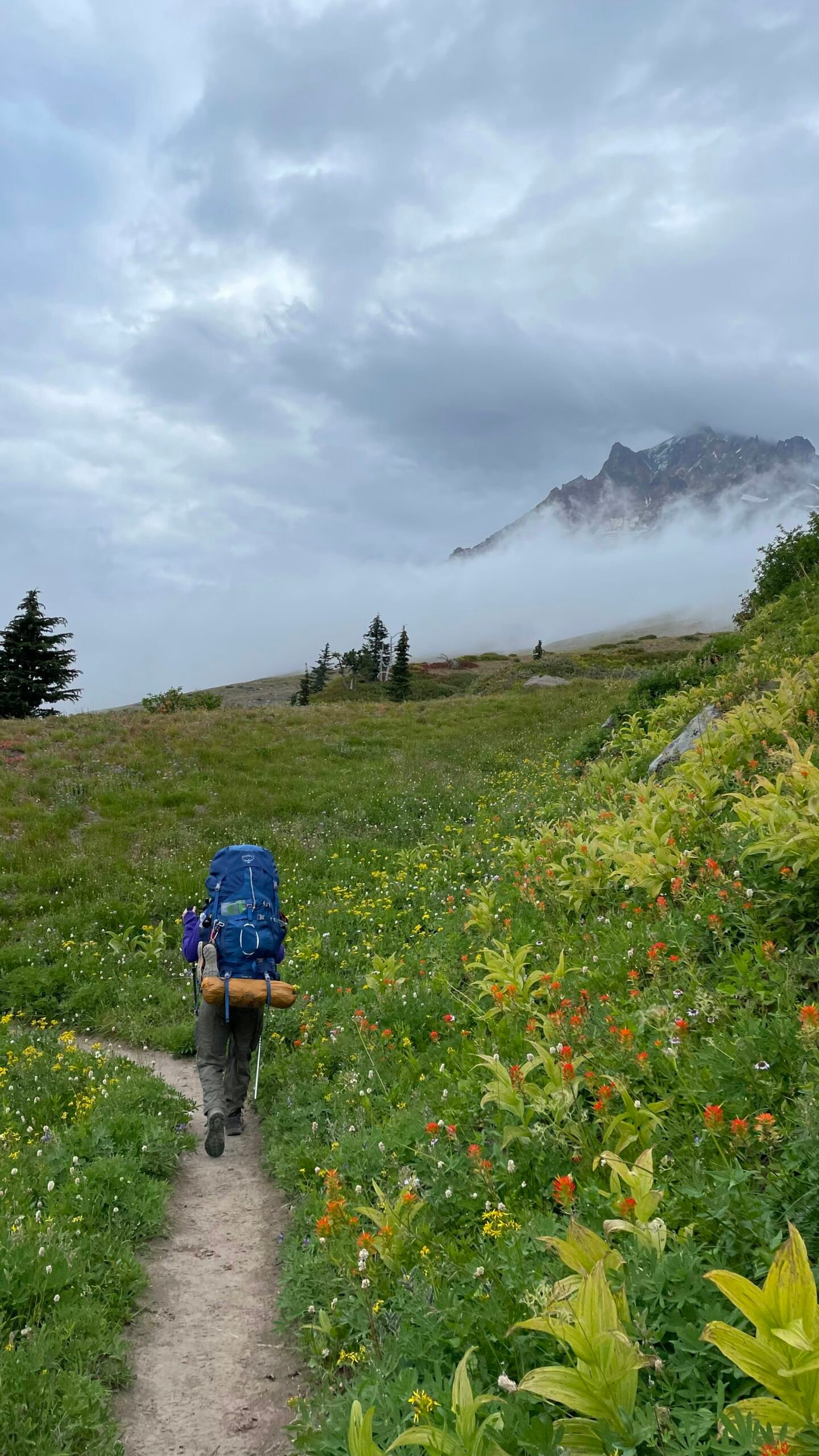
 36 trailsMount Hood WildernessGlaciers, alpine meadows and the Timberline Trail around Oregon's highest peak.Read the guide
 31 trailsMark O. Hatfield WildernessBasalt cliffs, waterfalls and old growth climbing from the Columbia Gorge to Wahtum Lake.Read the guide
 18 trailsSalmon-Huckleberry WildernessSteep forested ridges southeast of Sandy, with the Salmon River and quiet summit viewpoints.Read the guide
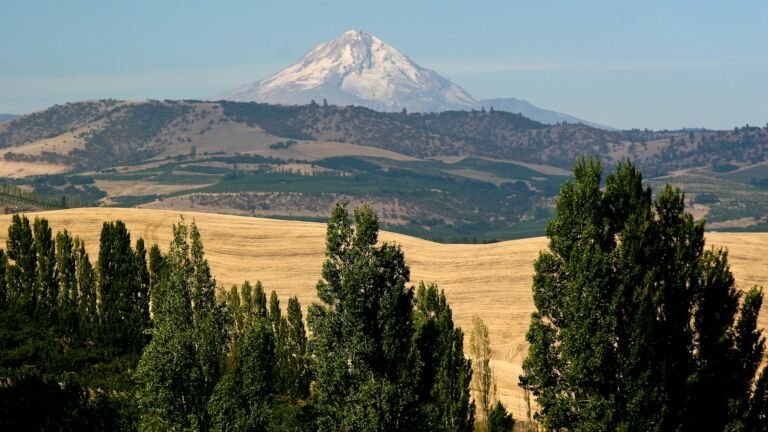 17 trailsBadger Creek WildernessLookout Mountain views and pine and oak country on the dry east side, mostly closed by fire for now.Read the guide
 13 trailsBull of the Woods WildernessA cluster of trout lakes and old forest beyond Bagby Hot Springs.Read the guide
 10 trailsRoaring River WildernessRock Lakes, Serene Lake and high meadows above a river where salmon spawn.Read the guide
 3 trailsClackamas WildernessFive separate pockets of big old trees along the Clackamas River, including Memaloose Lake.Read the guide
 Lower White River WildernessA small, trailless river canyon where firs give way to juniper and oak.Read the guide
Do
Don't
Permit seasons and parking rules differ by trailhead. Look up the Forest Service page for your trail before you go.
Where a trailhead has a permit station, fill out the free wilderness permit before you start. Not every trail has one.
The wilderness permit does not cover parking. Many trailheads charge a day-use fee or accept a recreation pass.
Anyone going above 9,500 feet on Mt. Hood needs a Mt. Hood Climbing Permit, bought ahead on Recreation.gov.
Closures as of November 2026. The Grasshopper Fire closure covers most trails in the Badger Creek Wilderness. In the Mark O. Hatfield Wilderness, Ruckel Creek Trail and the north end of Tanner Butte Trail stay closed after the 2017 Eagle Creek Fire. The Bull Run Watershed, Portland's water supply, is closed to the public except for travel on the Pacific Crest Trail and Huckleberry Trail #617. Check fire conditions and the Forest's alerts page before every trip.
Usually, yes, during the main hiking season. Mt. Hood National Forest asks hikers to fill out a free, self-issued wilderness permit at trailheads that have a permit station. Not every trail has one, and dates can differ by trailhead, so check the trail page. The wilderness permit does not pay for parking, and climbers going above 9,500 feet on Mt. Hood also need a Mt. Hood Climbing Permit. See our recreation passes guide for trailhead fees.
Yes, in three areas. The Mount Hood, Mark O. Hatfield and Salmon-Huckleberry wilderness areas each cap groups at 12, and horses and other recreational stock count toward the 12. Wilderness Connect lists no area group limit for Badger Creek, Bull of the Woods, Clackamas, Lower White River or Roaring River. Smaller groups still leave less impact, and the ranger district can advise on large group trips.
Sometimes. The Forest lists the Mount Hood and Mark O. Hatfield wilderness areas as places with campfire restrictions all year, with no-fire zones at spots such as Ramona Falls, Elk Cove, McNeil Point, Burnt Lake, Paradise Park, Wahtum Lake and lower Eagle Creek Trail #440. When the Forest puts fire restrictions in place, it usually bans all campfires but still allows stoves that shut off instantly. Check current fire conditions before every trip.
No. Federal rules ban bicycles in every national forest wilderness, and Wilderness Connect spells out that the ban covers mountain bikes, e-bikes, game carts and wagons in Mt. Hood's wilderness areas. Motor vehicles and motorized tools such as chainsaws are also banned. Wheelchairs are the one exception.
Yes. Firearms are allowed in wilderness on Mt. Hood National Forest under the same federal shooting rules that apply across the Forest, and Oregon fishing and hunting regulations apply in every wilderness area. Fireworks and exploding targets are always banned on national forest land.
Up to 14 days in a row. A Forest order limits camping to 14 consecutive days in one location and 28 days in total per calendar year anywhere on Mt. Hood National Forest, wilderness included. In the Bull of the Woods Wilderness, you also may not return to a spot for 30 days after a 14-day stay.
Rules change. These pages are the source of truth.