The Forest Service calls snowshoeing a good first winter sport: the gear doesn't cost much, and anyone who can walk can learn it. For your first outing, pick a trail that is wide, short and close to the car, with little climbing. Turn back while you still have energy, because the walk out counts too.
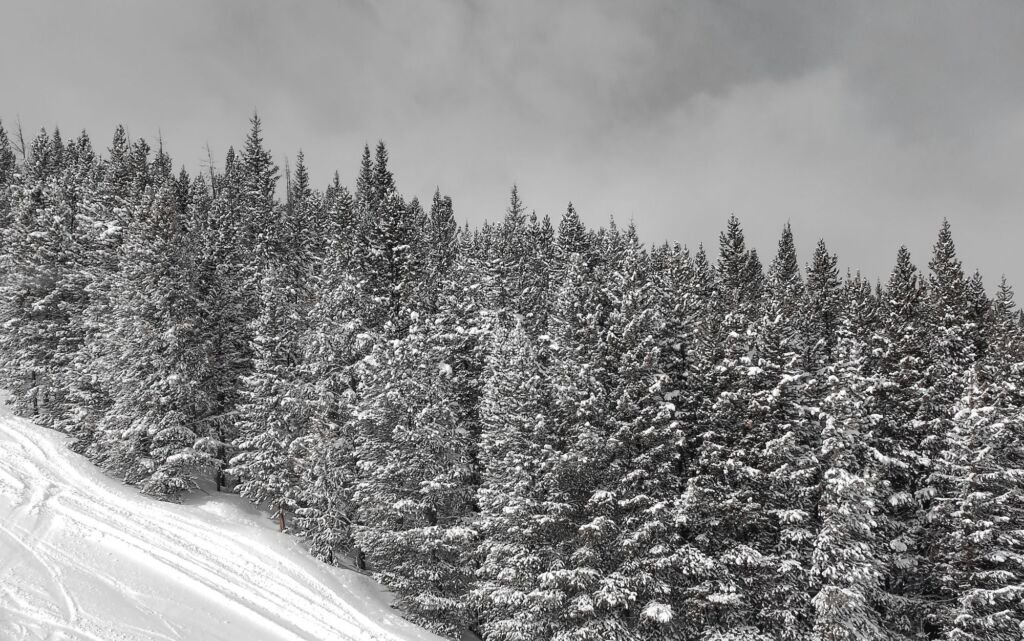
Wally's Tie Trail gains only 13 feet, and its wide clearing suits snowshoes.
Enid Lake Trail is 0.8 mile round trip, about right for a first try.
White Away Trail has posted markers. Watch for them, since snow covers the tread.
Glacier View Trail sits low, and the Forest Service says it is best in a big snow year. Check the snow depth first.
All six are in or just outside Government Camp, reached from town or a nearby Sno-Park, and the Forest Service lists each one for winter snowshoeing. Several link up, so a short walk can grow into a loop once you know the way.
 Wally’s Tie Trail #755A
0.6 mi round trip
13 ft
Easy
A Government Camp connector between Crosstown and Skiway trails, with views of Mt. Hood and Skibowl and a wide clearing for skiing…
 Enid Lake Trail #692A
0.8 mi round trip
212 ft
A Government Camp trail system link between Crosstown Trail #755 and Glacier View Trail #692B, popular for skiing and snowshoeing in winter.
 Glacier View Trail #692B
1.8 mi round trip
175 ft
A lower-elevation ski and snowshoe trail just west of Government Camp that loops with Pioneer Bridle Trail, starting at Glacier View Sno-Park.
Skiway Trail #755B
1.4 mi round trip
258 ft
Easy
A Government Camp trail along the route of the old 1950s Skiway lift, with views of Mt. Hood and Skibowl and short…
 White Away Trail
1.8 mi round trip
292 ft
A Government Camp trail system route from Snowbunny Trail to End of the Road, used for cross-country skiing and snowshoeing in winter.
 Snowbunny Trail
3.6 mi round trip
567 ft
A winter ski and snowshoe route in the Government Camp trail system, starting at Snow Bunny Sno-Park off US Highway 26.
The road to Trillium Lake is gated from December 1 to April 1, give or take a few days for weather, so you start at Trillium Sno-Park on US 26, which holds about 200 cars. The Forest Service puts the winter loop at 3.6 miles from the Trillium Access Hill, or 4.4 miles out and back from the Sno-Park, over mostly gentle ground past the lake and a meadow.
The access trail down is steep. The Forest Service suggests that beginner and intermediate skiers walk it, so take it slowly on snowshoes too.
Visitor donations pay the volunteers who groom these trails. The suggested gift is $3.
Keep dogs leashed on the Trillium ski trails, and pick up after them.
Overnight parking is only in the marked spaces at the lot's far east end, so plows can get through.
Ready for more? Mirror Lake Trail climbs about 460 feet in 1.9 miles to a lake under a steep headwall, and the Forest Service says winter visits there take skis or snowshoes. Yellowjacket Trail runs 10.8 miles from Timberline Road to White River West Sno-Park and may not be cleared of fallen limbs.
 Trillium Lake Loop Trail #761
1.8 mi loop
11 ft
Easy
An easy, barrier-free 2-mile loop around Trillium Lake on boardwalk and fine rock, with wetlands and views of Mt. Hood.
 Mirror Lake Trail #664
3.8 mi round trip
460 ft
Moderate
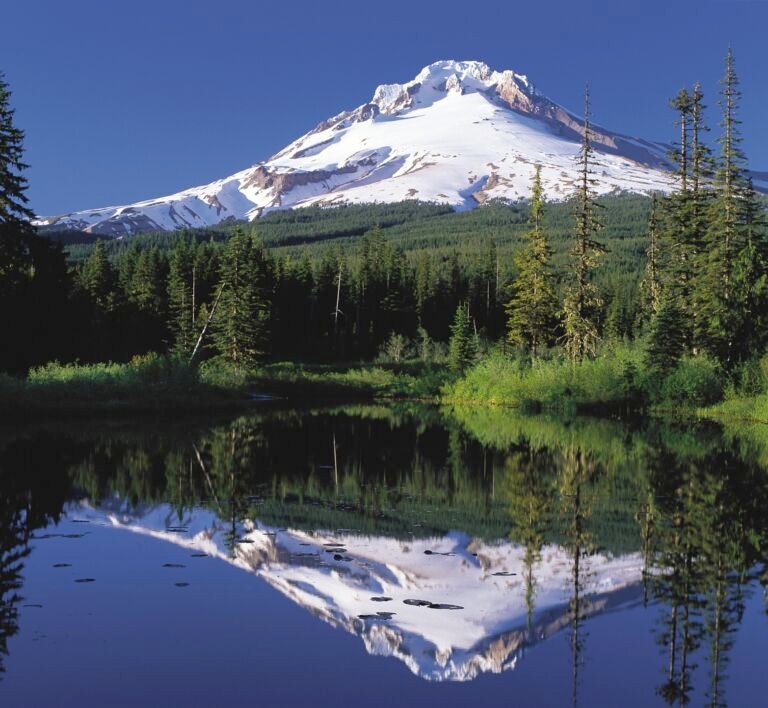
A steady 1.9-mile climb from Highway 26 to Mirror Lake and its Mt. Hood view, with a rougher extension up Tom Dick…
 Yellowjacket Trail
10.8 mi round trip
1,317 ft
One of the Government Camp area trails, Yellowjacket links Timberline Road with White River West Sno-Park for skiers, snowshoers, hikers and bikers.
OR 35 has more Sno-Parks and two Nordic centers. Groomed ski tracks come with their own rules: the Forest Service says snowshoes are not allowed on groomed Nordic ski trails, with a couple of exceptions.
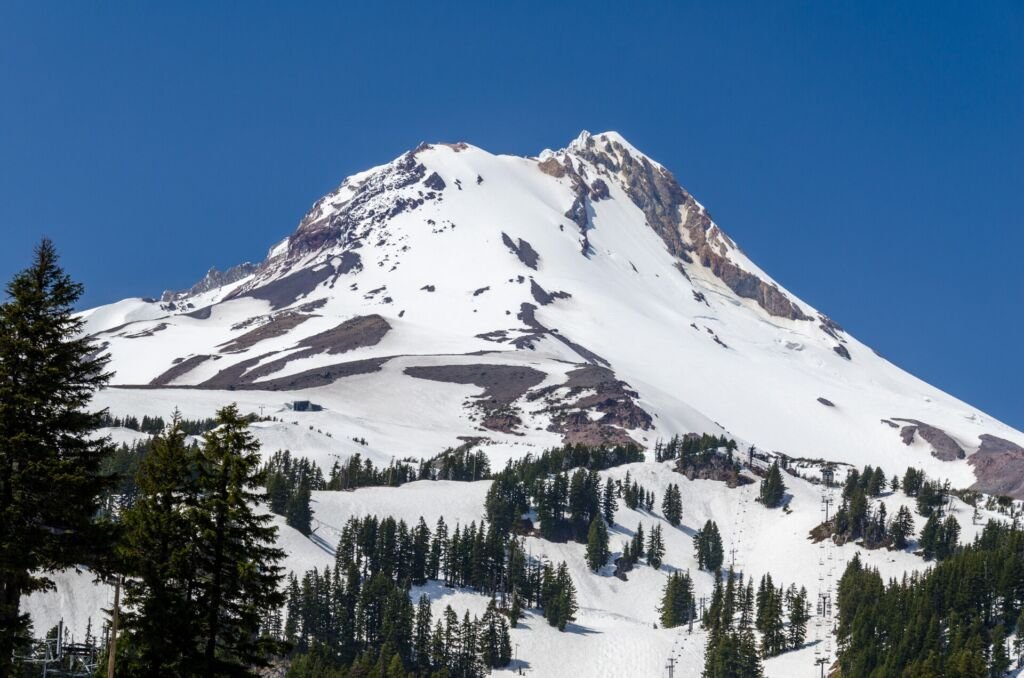
Where the Elk Meadows and Sahalie Falls snowshoe trails begin, the Forest Service says. Check Mt. Hood Meadows for passes and hours.
The Nordic center on the north side has 6.5 km of trails open to snowshoes.
Ungroomed beginner and intermediate loops off OR 35, with a connecting trail into the Teacup system. Keep snowshoes off Teacup's groomed tracks.
Groomed for skate and classic skiing. Snowshoes, skijoring and dogs are not allowed on its groomed trails.
South of the US 26 and OR 35 junction, shared by skiers, snowshoers, snowmobiles and dog sleds. No snowmobiles or bikes on the Pacific Crest Trail.
The small ski area in Government Camp is a common place to learn snowshoeing. Check Timberline's site for what is offered.
The Forest Service winter guide lists snowshoeing at every lot here, and each needs a Sno-Park permit from November 1 to April 30. Trillium and Glacier View sit closest to the beginner trails.
 Trillium Sno-Park & Trailhead
The sno-park and trailhead for Trillium Lake off US Highway 26, with volunteer-groomed trails used by snowshoers and cross-country skiers.
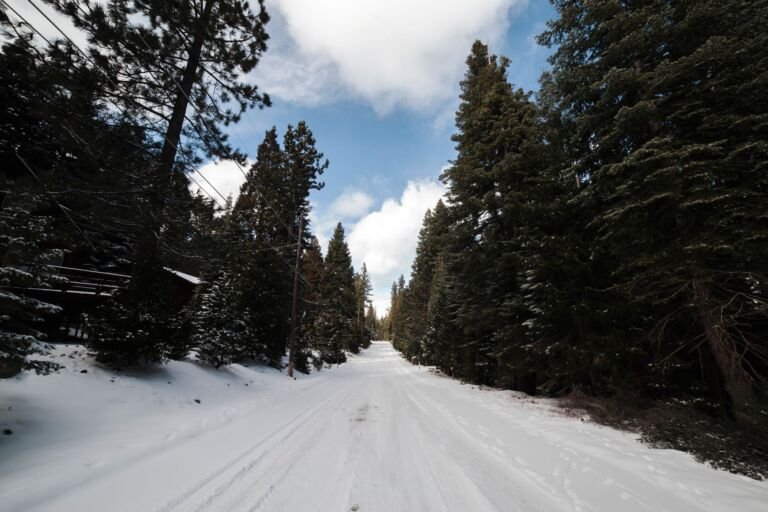 Glacier View Sno-Park & Trailhead
Trailhead and winter Sno-Park on Highway 26 opposite Ski Bowl near Government Camp, with links into the Government Camp trail system.
 Summit Sno-Park
A Government Camp sno-park off US Highway 26 with vault toilets and room for about 125 cars, used as a base for…
 Snow Bunny Sno-Park/Sledding Area
3,850 ft
A family sledding and tubing area off US Highway 26 near Timberline Road, with gentle hills up front and bigger hills farther…
Mirror Lake Sno-Park & Trailhead
3,600 ft
A trailhead and Sno-Park beside Skibowl West on US Highway 26 near Government Camp, the start of the Mirror Lake Trail, at…
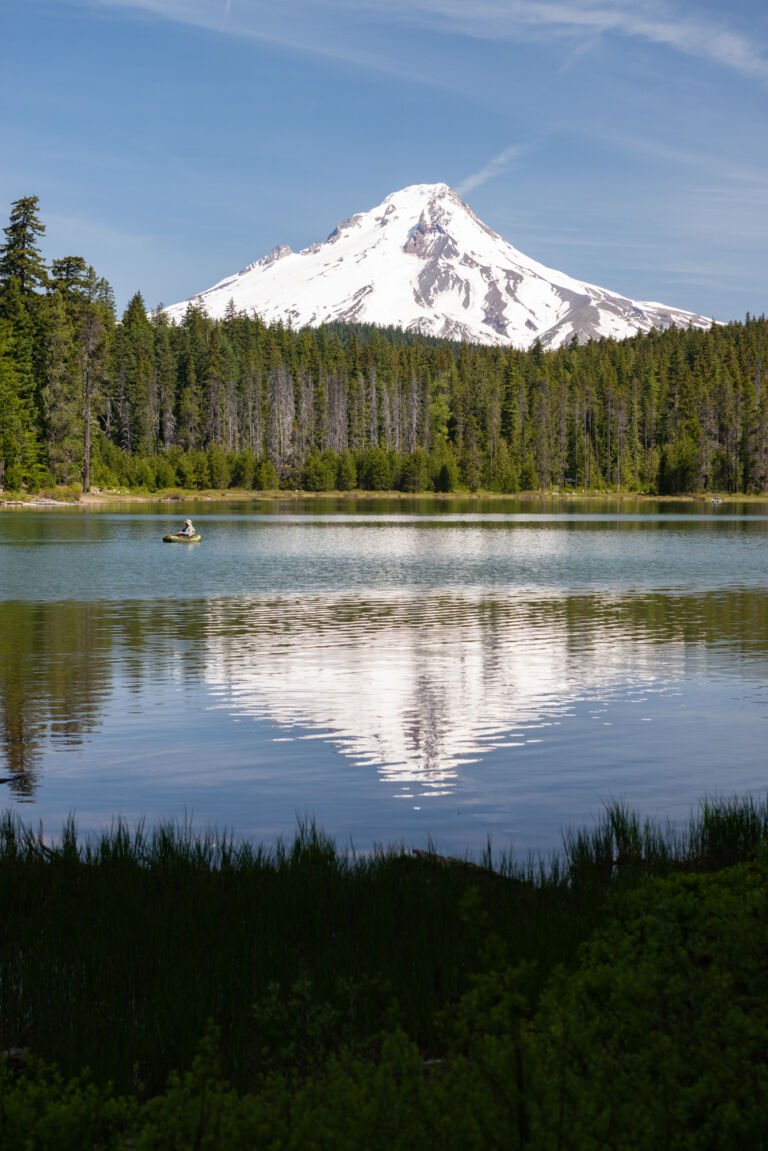 Frog Lake Sno-Park & Trailhead
A trailhead and Sno-Park off Highway 26 with trails to Frog Lake and the Pacific Crest Trail, plus skiing and snowmobiling in…
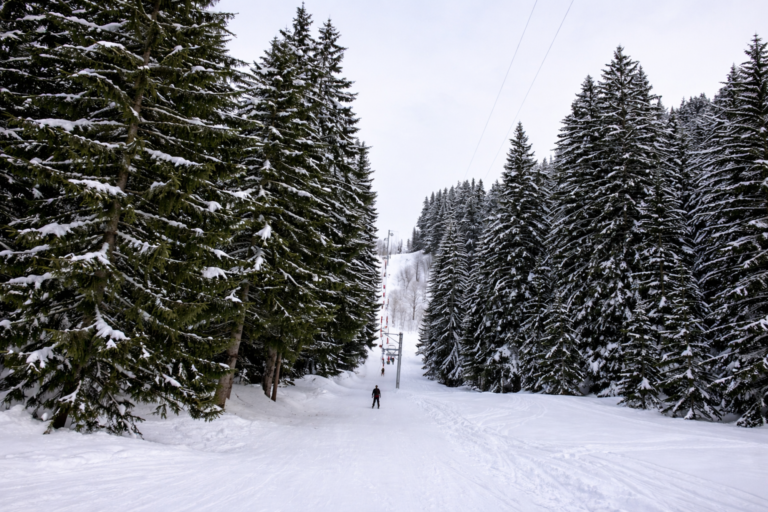 Cooper Spur Mountain Resort
, on Mt. Hood's north side, pairs a lift-served ski and tubing hill with a groomed Nordic trail for…
 Mt. Hood Meadows Ski Area
Mt. Hood Meadows is a full-service ski resort off Highway 35 with two base lodges, ski schools, and summer chairlift rides and…
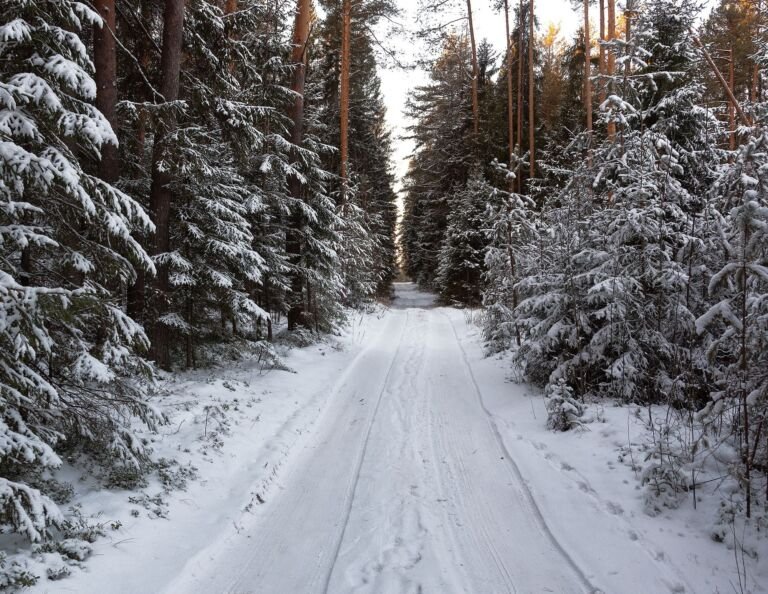 Pocket Creek Sno-Park
A sno-park on Highway 35 south of Hood River with ungroomed beginner and intermediate loops that connect to the Teacup Nordic trails.