With kids, pick the destination first and the trail second. A lake, a waterfall or a snowy hill gives them a reason to keep walking. Most good family stops sit off US 26 between Zigzag and Government Camp, or at Lost Lake and Timothy Lake, so you can keep drives short. Our family guides go deeper:

Short trails with a lake, falls or creek at the end, plus restrooms and picnic spots.
Lake and creek camps with drinking water, toilets and a walk from camp.
Snow play hills and tubing, and the permit you need to park.
Day-use areas with picnic tables, shore access and restrooms.
Two days of easy trails and lakes, planned out.
For the youngest hikers, choose flat, short trails with something to see in the first few minutes, and a restroom near the car.
The Trillium Lake Loop is about 2 nearly level miles of boardwalk and packed rock, with benches and Mt. Hood across the water.
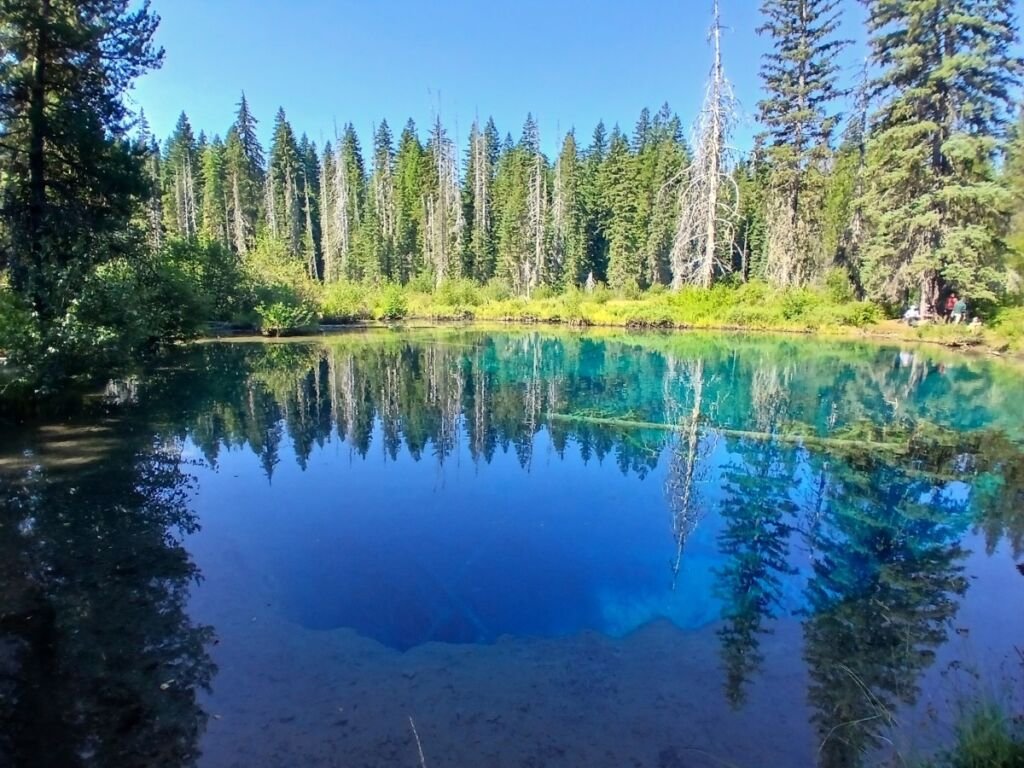
Little Crater Lake is 800 feet to a deck over a clear, spring-fed pool that stays near 34 degrees all year.
The Old Growth Trail at Lost Lake is short, barrier-free and lined with signs about the forest.
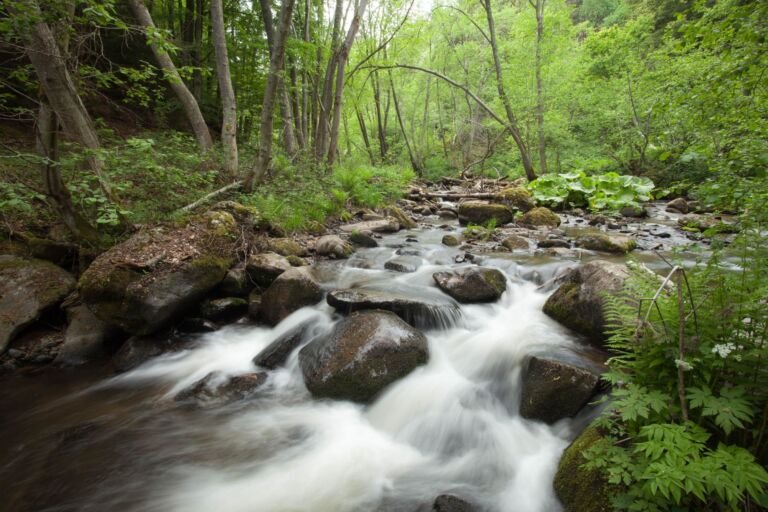
The Lost Creek Nature Trail is partly paved, with views of the creeks around Lost Creek Campground.
Little Zigzag Falls is less than half a mile up a small canyon that holds cool air on hot days.
All five are rated easy. Trillium Lake and Little Crater Lake have vault toilets at the day-use areas next to the trail.
 Trillium Lake Loop Trail #761
1.8 mi loop
11 ft
Easy
An easy, barrier-free 2-mile loop around Trillium Lake on boardwalk and fine rock, with wetlands and views of Mt. Hood.
 Little Crater Lake Trail #500
0.6 mi round trip
0 ft
Easy
An 800-foot walk through Little Crater Meadow to a viewing deck at spring-fed Little Crater Lake, continuing on to the Pacific Crest…
 Old Growth Trail #657
2 mi round trip
58 ft
Easy
A short, barrier-free interpretive walk through old-growth forest at Lost Lake, running between the Organization Camp and the A Loop Campground.
 Lost Creek Nature Trail #776
0.6 mi round trip
31 ft
Easy
A family-friendly interpretive trail beside Lost Creek Campground off Lolo Pass Road, partly paved, with views of the nearby creeks.
 Little Zigzag Falls Trail #795C
1.2 mi round trip
311 ft
Easy
A family-friendly walk of less than half a mile up a small, cool canyon along the Little Zigzag River, ending at Little…
Kids from about six to twelve can handle a few miles if the trail keeps them busy. Mix a hike with fishing, a bike loop or a history stop.
In winter, try beginner snowshoe trails or a sledding hill. For lakes to cast a line, see fishing lakes.
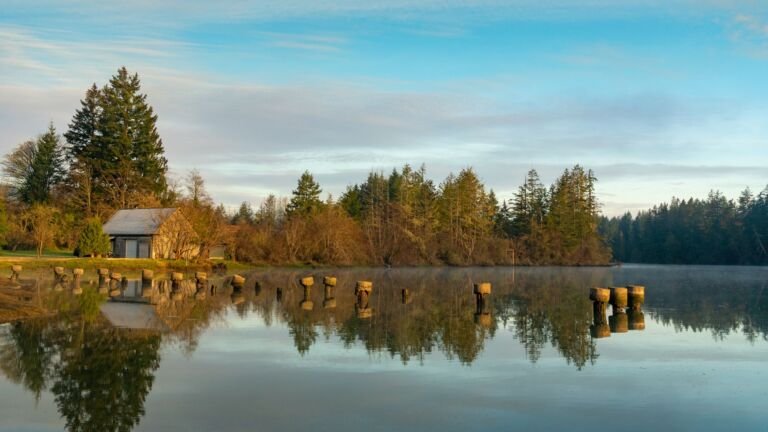
The Old Salmon River Trail runs 1.9 miles beside the river through old-growth forest, crossing small creeks.
The climb to Mirror Lake gains about 460 feet in 1.9 miles. Turn around at the lake.
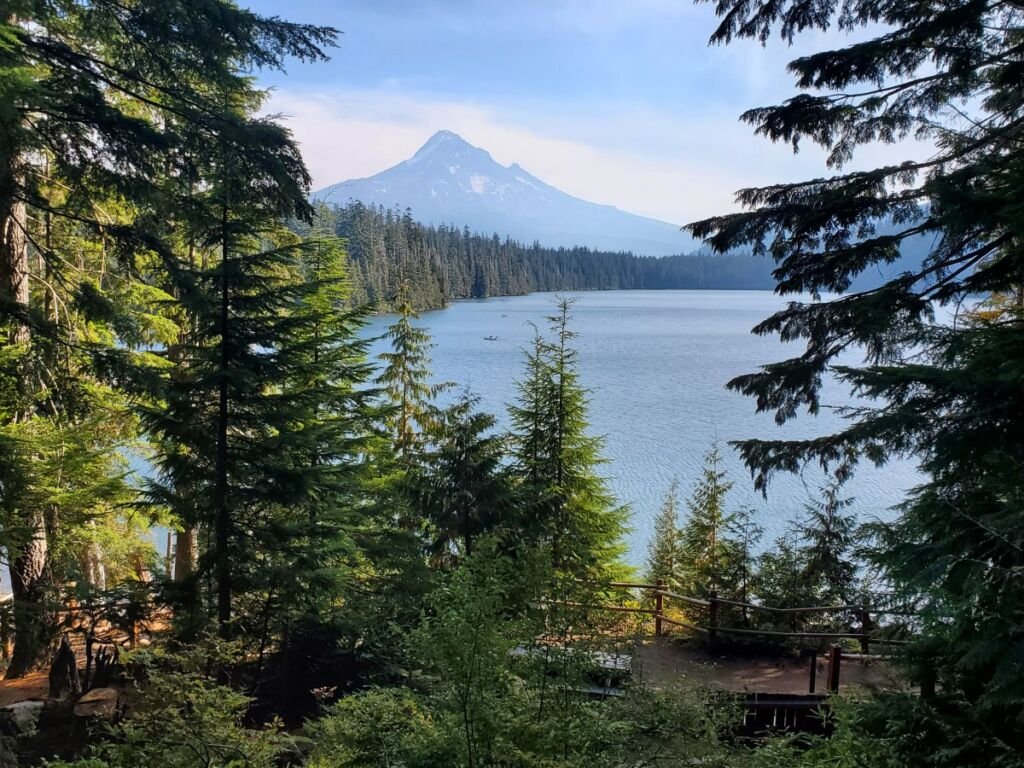
The Lakeshore Trail circles Lost Lake in 3.1 miles, much of it on boardwalk, and beavers are often busy at the inlet.
At Laurel Hill Chute, a short loop with a stone staircase shows the rocky chute where Oregon Trail emigrants lowered their wagons. Read more in Barlow Road history.
Maggie's Trail and Lucy's Trail in Government Camp make a short loop with very little climbing.
A step up from the toddler walks, each with a river, a lake, a bit of history or a bike loop to keep kids interested.
 Old Salmon River Trail #742A
3.8 mi round trip
280 ft
Easy
A kid-friendly 1.9-mile walk beside the Wild and Scenic Salmon River through old-growth forest in the Zigzag Ranger District.
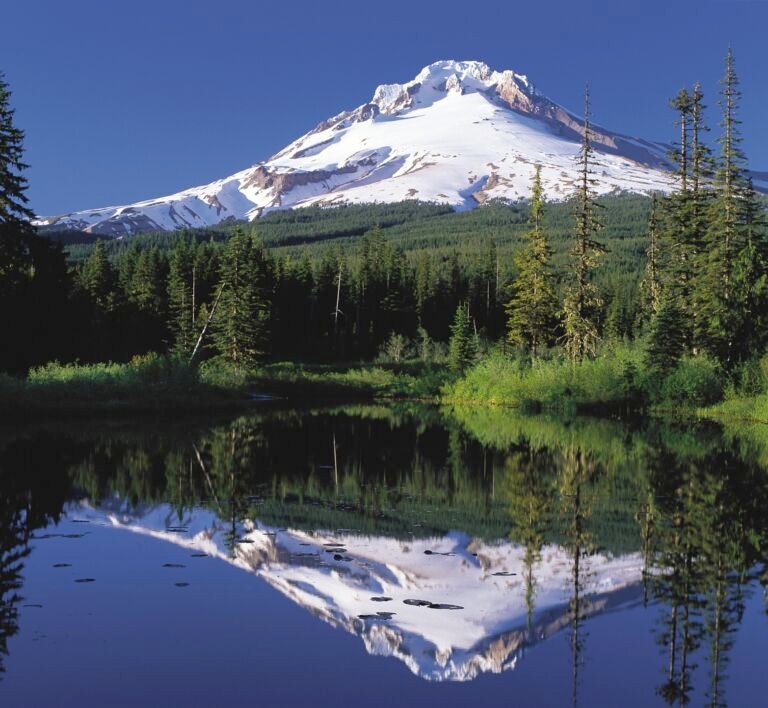 Mirror Lake Trail #664
3.8 mi round trip
460 ft
Moderate
A steady 1.9-mile climb from Highway 26 to Mirror Lake and its Mt. Hood view, with a rougher extension up Tom Dick…
 Lakeshore Trail #656
3.1 mi loop
110 ft
Easy
An easy 3.1-mile loop around Lost Lake on boardwalks and through old-growth forest, with Mount Hood views and a barrier-free section.
 Laurel Hill Chute Trail #759A
1 mi round trip
356 ft
Easy
A short loop off US Highway 26 to the steep, rocky chute where Oregon Trail pioneers lowered their wagons down Laurel Hill.
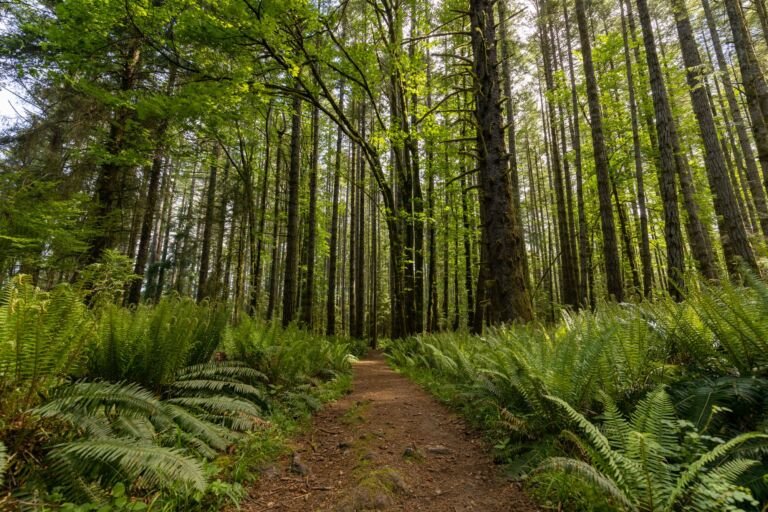 Maggie’s Trail #753
0.8 mi round trip
80 ft
Easy
A short, nearly level multi-use connector in Government Camp that pairs with Lucy’s Trail for a good first mountain bike loop.
Teens want a challenge and a view worth a photo. These deliver both.
In winter, the Forest Service counts five commercial ski areas for downhill skiing and snowboarding. See Mt. Hood skiing.
Lost Lake Butte climbs about 1,270 feet from Lost Lake to a top where you can name five big peaks.
The Mountaineer Trail at Timberline is the highest trail on Mt. Hood's south side, mostly above tree line.
From Mirror Lake, push on 1.8 miles more and climb to the Tom Dick and Harry ridge.
The Crosstown Trail rolls across Government Camp and suits adventurous beginners. See mountain biking near Mt. Hood for more.
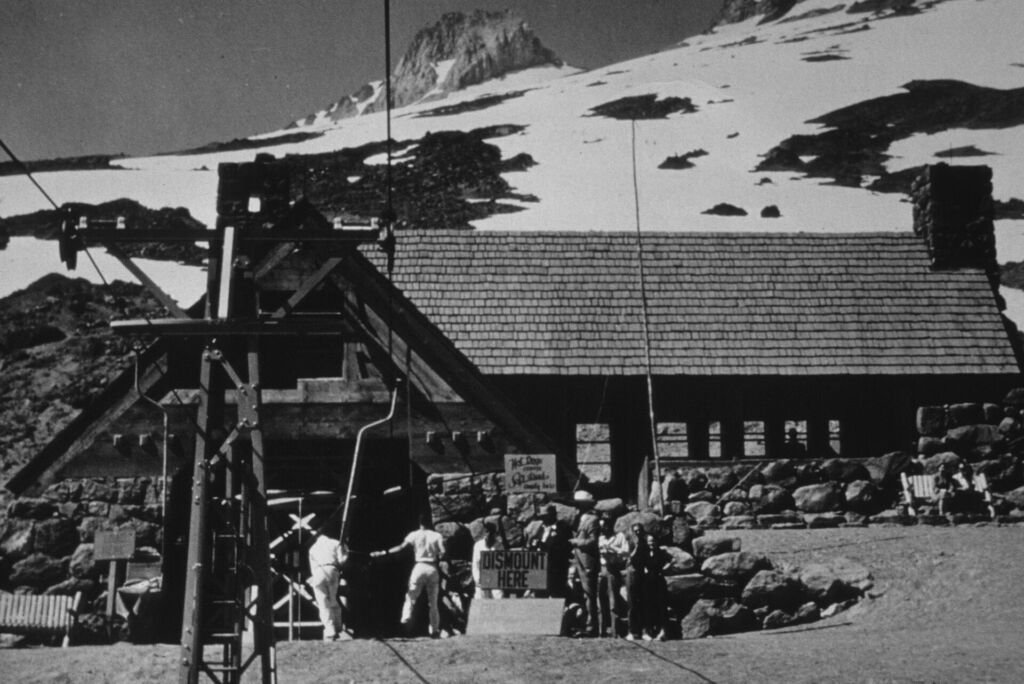
In summer, Timberline's Magic Mile Sky Ride climbs to 7,000 feet with no skis needed. It's closed for the season now. See summer chairlift rides and the lift's history.
Each one climbs, so bring water, snacks and layers. Lost Lake Butte's last stretch switchbacks steeply to the top.
 Lost Lake Butte Trail #616
3.8 mi round trip
1,255 ft
Moderate
A climb from Lost Lake Campground to the summit of Lost Lake Butte, where the views take in Mount Hood, Adams, St.…
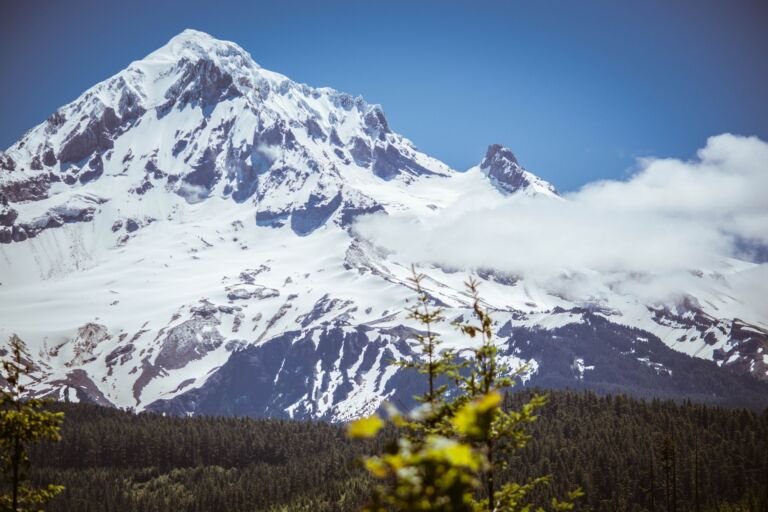 Mountaineer Trail #798
2.6 mi loop
1,104 ft
Moderate
The highest trail on Mt. Hood's south side, a loop above tree line from near Timberline Lodge with 2-mile and 2.7-mile options.
Crosstown Trail #755
5.4 mi round trip
618 ft
Moderate
A rolling 3-mile trail along the north side of Government Camp that links several area trails for hikers, bikers and skiers.
Many of the best family moments here cost nothing once you've parked.
The Forest Service waives day-use fees at most of its sites on set days. The agency posts each year's dates on its passes and permits page. Sites run by concessionaires may still charge.
The Every Kid Outdoors pass gives fourth graders a year of free entry to hundreds of public lands. Not every site takes the paper pass, so call ahead.
Parking at the trailhead for the Pioneer Woman's Grave Trail on the old Barlow Road is free in summer. Read the story behind the grave first.
The Timberline Lodge trailheads charge no summer parking fee, and the lodge has interpretive exhibits. Read about how it was built.
Use our plants and animals pages to spot jays, chipmunks and pikas, and see birdwatching for young birders.
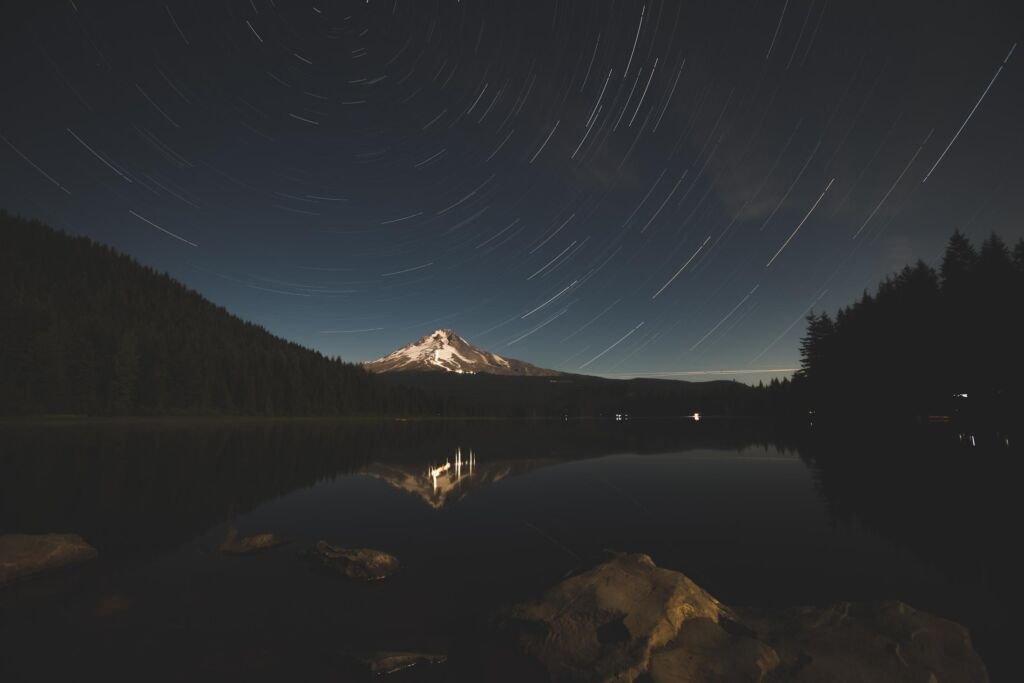
A clear night sky costs nothing. See stargazing on Mt. Hood for spots and timing.
Each page shows the months with the most sightings and where to look. Steller's and Canada jays turn up around campgrounds and picnic areas. Listen for pikas squeaking from rock piles up high.
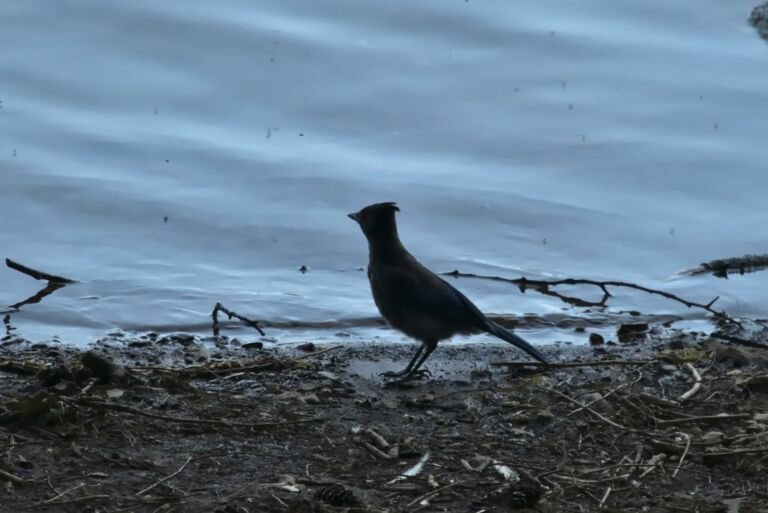 Steller’s Jay
Cyanocitta stelleri
Mar – Oct
A dark blue and black jay with a tall, shaggy crest and a harsh voice, common in Mt. Hood's conifer forests from…
 Canada Jay
Perisoreus canadensis
May – Mar
A fluffy gray jay of mountain conifer forests, famous for boldly taking food at campsites and for storing food to survive the…
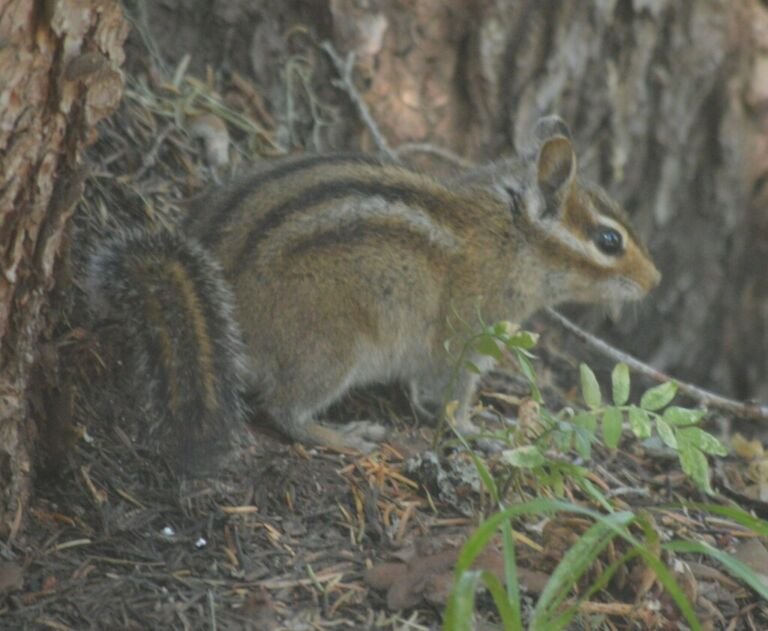 Townsend’s Chipmunk
Neotamias townsendii
Apr – Oct
Oregon's largest chipmunk, a dark, dull-striped resident of west Cascades forests that is often heard calling before it is seen.
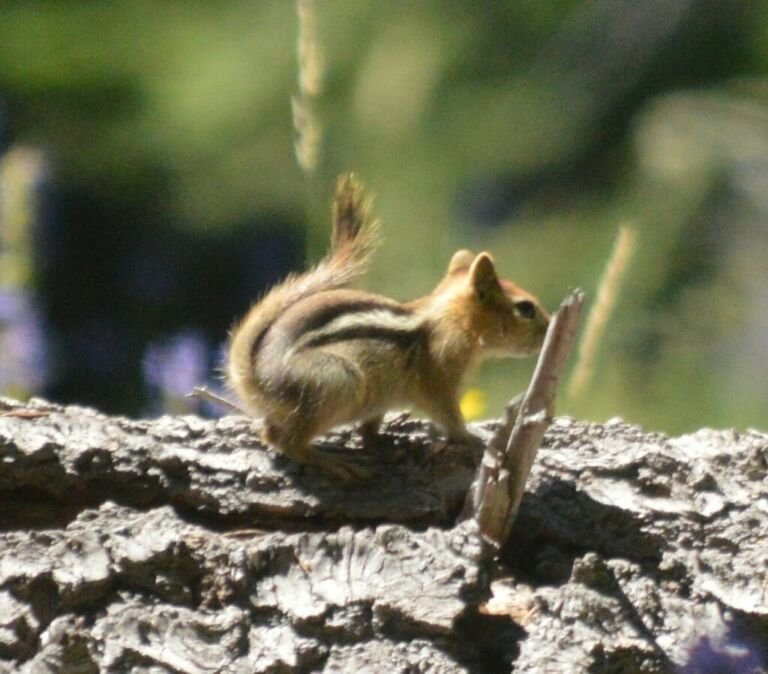 Golden-mantled Ground Squirrel
Callospermophilus lateralis
Jun – Oct
A stocky ground squirrel with a coppery head and shoulders and a white side stripe edged in black. Unlike a chipmunk, it…
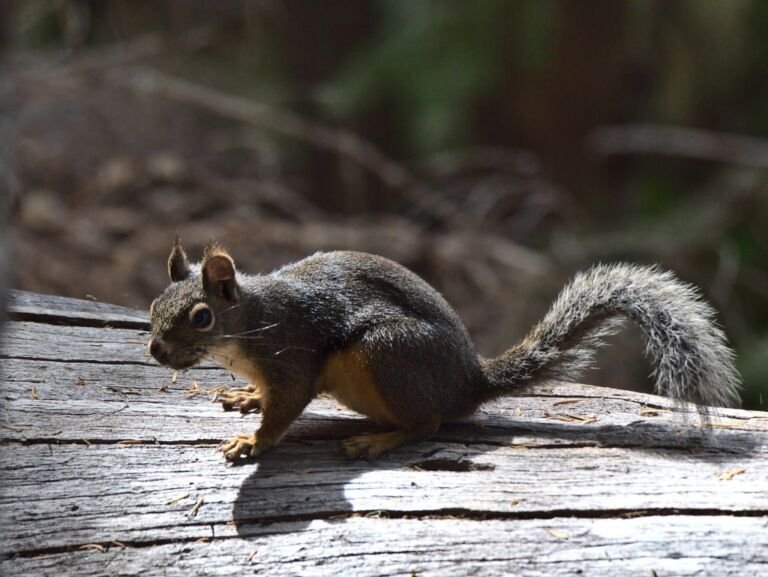 Douglas’s Squirrel
Tamiasciurus douglasii
Apr – Nov
A small, loud tree squirrel of conifer forests that scolds hikers from the branches and leaves big piles of stripped cone scales.
 American Pika
Ochotona princeps
May – Oct
A small, round, tailless rabbit relative that lives in high rock slopes, squeaks from the boulders and stores hay for winter.
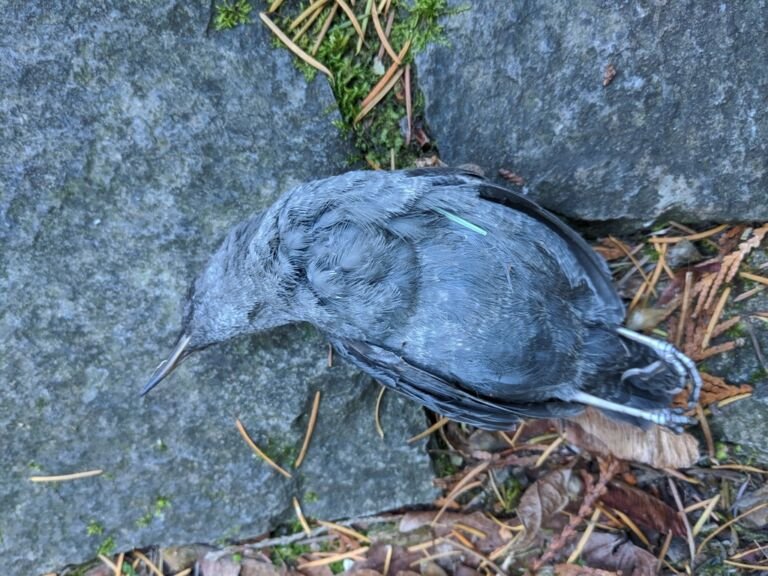 American Dipper
Cinclus mexicanus
Mar – Nov
A chunky gray songbird that bobs on rocks in fast mountain streams and walks underwater to hunt insect larvae. It sings even…
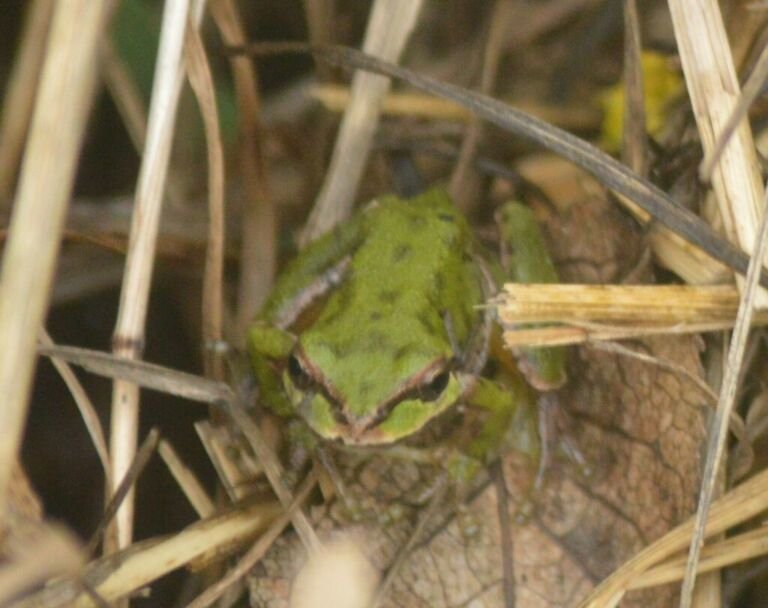 Pacific Chorus Frog
Pseudacris regilla
Mar – Oct
Oregon's smallest frog, with a dark eye stripe and a loud chorus at breeding ponds. It can be green, brown, gray or…
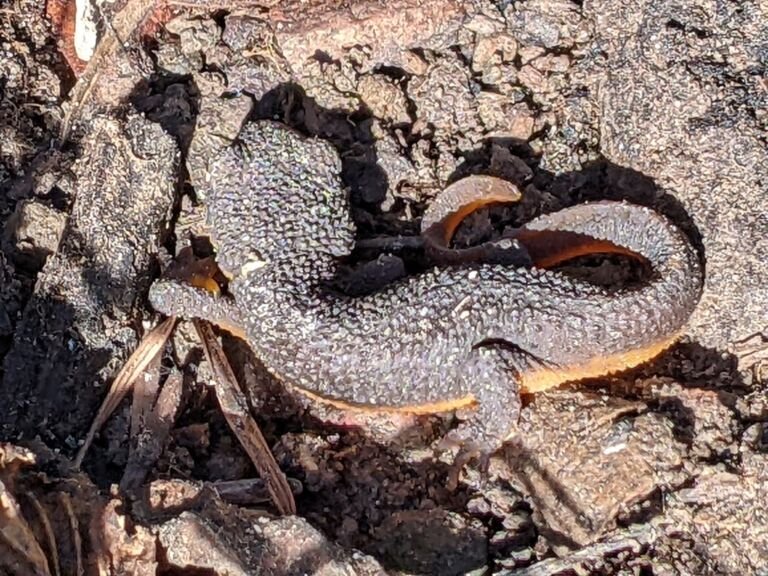 Rough-skinned Newt
Taricha granulosa
Apr – Oct
A brown newt with dry, bumpy skin and a bright orange belly, often seen crossing forest trails and roads. Its skin carries…