Dispersed camping is camping in the open forest, outside any campground. You get no toilets, no drinking water, no fire ring and no trash pickup, and you pay no camping fee. If you want those things, the forest has more than 70 designated campgrounds; start with the best campgrounds near Mt. Hood.
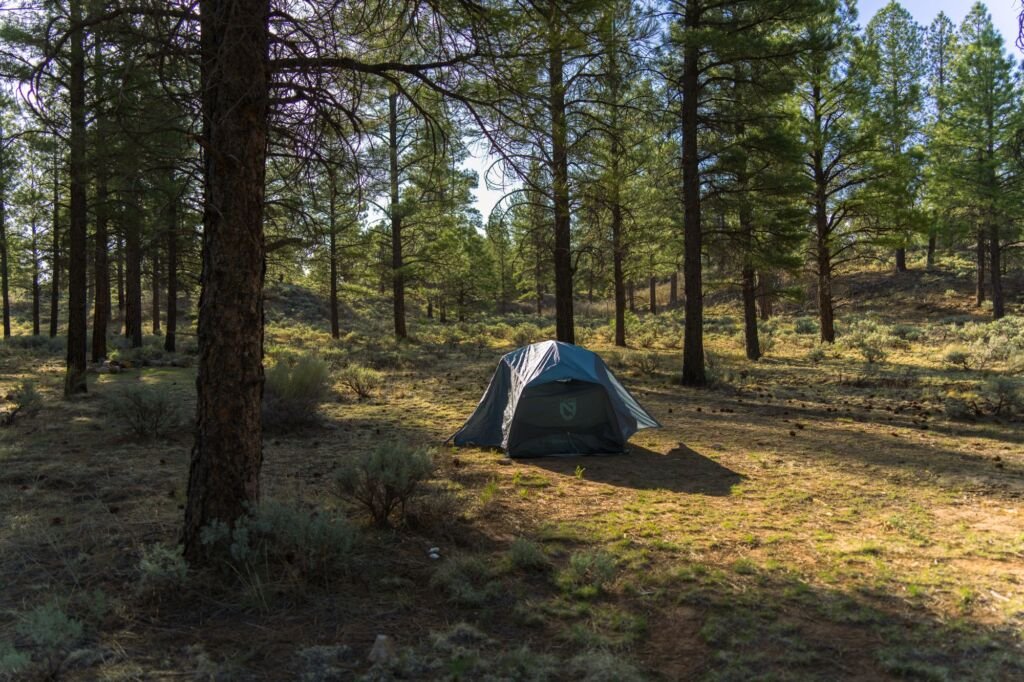
Water or a way to treat it, a trowel, trash bags, and a shovel and water for any fire.
Nothing. Pack out all trash and used toilet paper, and take it off the forest.
A site someone has already used, when you can find one. If not, choose bare ground that's out of sight.
Closures, fire restrictions and road access before you go. See alerts and road conditions.
Dispersed camping is allowed in much of the forest, but not everywhere. The Forest Service names these exceptions and asks you to call the local ranger district for details.
Campgrounds, day-use areas and other developed recreation sites. Camp in a campground's numbered sites and pay its fee.
Some roads and fragile areas are closed to camping. The district office can tell you which.
Some federal wilderness areas aren't open to dispersed camping, and wilderness rules apply in all of them. See the wilderness guide.
Portland's watershed is closed to entry under a Forest Service order, except on the Pacific Crest Trail and Huckleberry Trail. Fires and stove fires are banned there, though gas and liquid-fuel stoves are allowed.
In 2026 the Grasshopper Fire and Austin Fire orders closed large areas on the Barlow, Hood River and Clackamas River districts. The Grasshopper closure was made smaller on Nov 6, 2026, so check alerts for the current boundaries. Entering a closed area is prohibited.
We don't publish specific spots. These steps will get you to a legal one on your own.
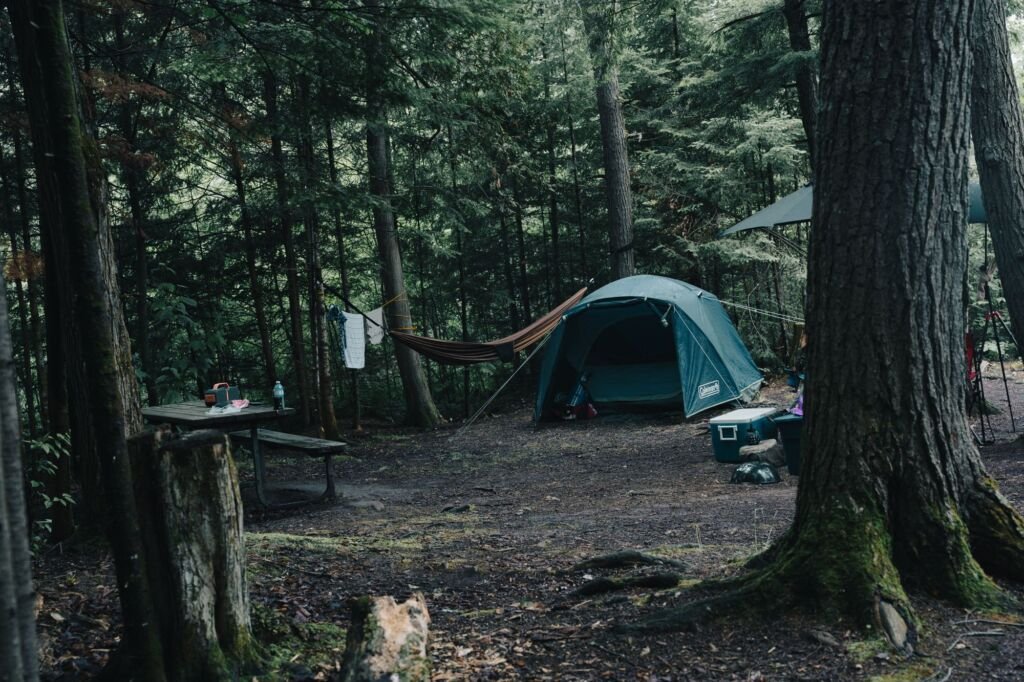
The Motor Vehicle Use Map shows every road and trail you may drive, by vehicle and season. It's free as a PDF, as a phone map or on paper at a district office. Our maps guide explains the options.
Ask where dispersed camping is open and whether roads are passable. Zigzag: 503-622-3191. Hood River: 541-352-6002. Barlow: 541-467-5100. Clackamas River: 971-333-4100.
A spot that's already flat and bare, well back from water, does less harm than clearing a new one.
Read fire conditions and restrictions the day you leave. Campfires can be banned in dry months.
Want a numbered site and a vault toilet, but little else? These small campgrounds charged $10 a night in the Forest Service's latest listing. None has drinking water. Polallie, by the Polallie Trailhead off OR 35, began as a dispersed site.
 Polallie Campground
 is a quiet campground beside Polallie Trailhead on Oregon Hwy 35, near Cooper Spur Road in the Hood River Ranger…
 Keeps Mill Campground
 is a small White River camp for people avoiding crowds, reached by a very rough road best driven in…
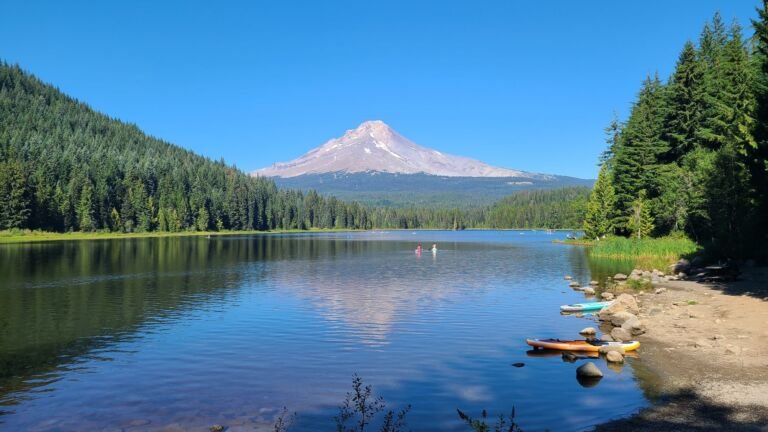 Meditation Point Campground (Timothy Lake)
3,227 ft
A small, primitive campground on Timothy Lake reached only on foot, by bike, or by boat, about 1.2 miles from the West…
 Bonney Meadows Campground
 is a small ridge-top camp beside a meadow, with horse corrals and trails for hikers, bikers and riders.
These are as close as a campground gets to dispersed camping: assigned sites and a fee, but no restroom and no drinking water. Plan on the same waste and water habits you'd use in the open forest.
 Hideaway Lake Campground
 is a single loop of private, well-spaced sites under dense conifers above a high Cascade lake, with fishing and…
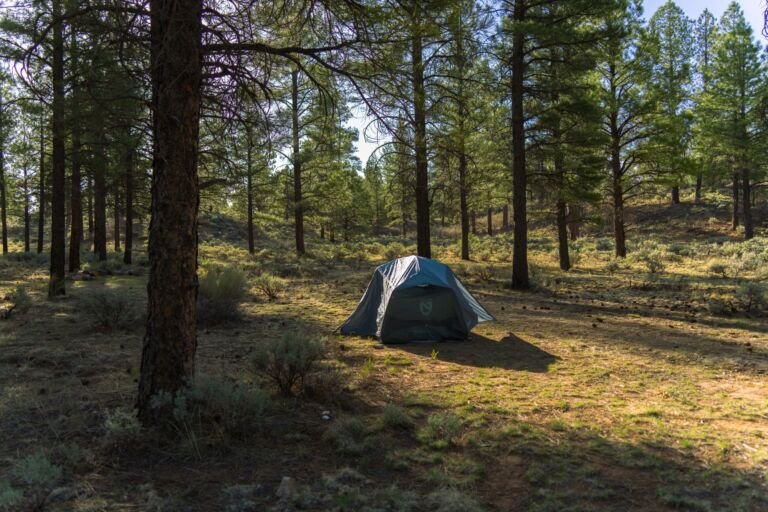 Shellrock Creek Campground
 is a primitive camp beside a small forest creek, with screened sites and no water, so bring your own.
 Lower Lake Campground (Olallie Lake)
Lower Lake Campground sits on a small, very deep lake within the Olallie Lake Scenic Area, with fishing, hiking and many nearby…
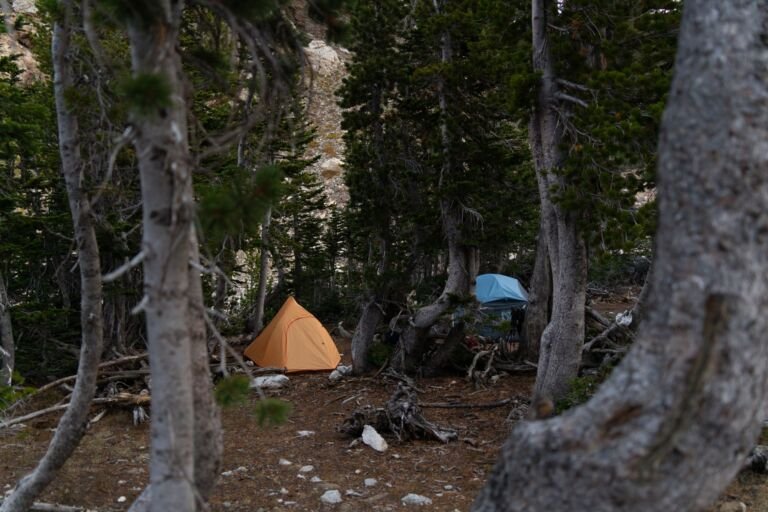 Olallie Meadow Campground
 is a rustic, quiet camp just north of Mount Jefferson, with views, picnicking and lake fishing nearby.