Each camp has a different feel, from a full group camp at Timothy Lake to four free sites on the east side.
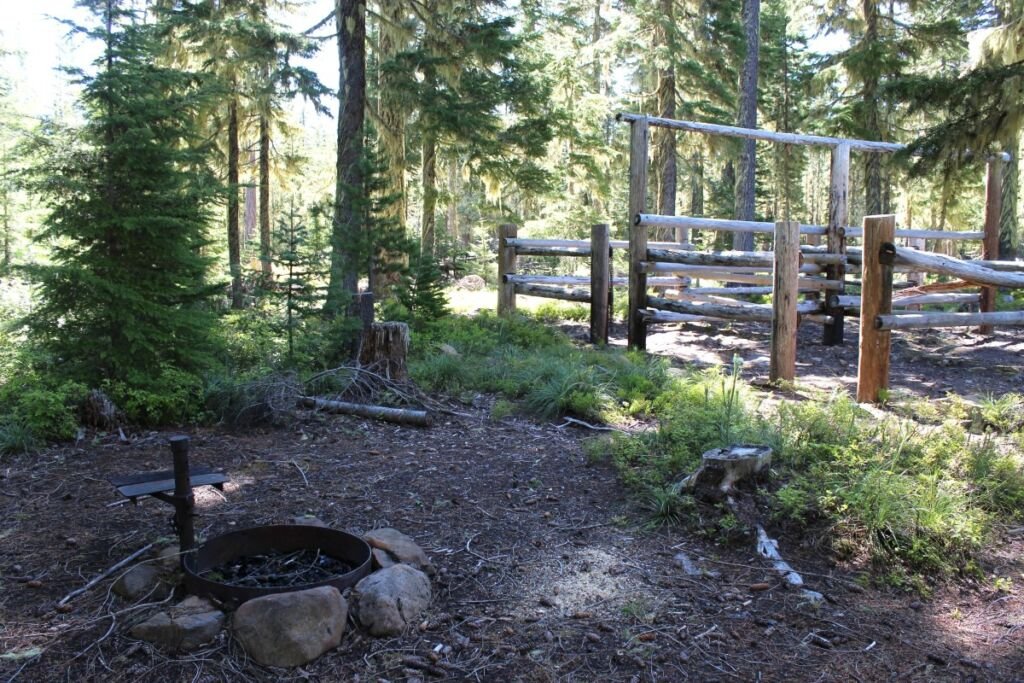
Riley has 14 sites along Lost Creek near the Sandy River, with corrals in the trees and trails into the Mount Hood Wilderness from camp. Bring water.
Joe Graham has drinking water, Mt. Hood views and gentle trails to Clackamas and Timothy lakes. Vehicles are limited to 28 feet.
Stone Creek Group Horse Camp opened in 2025 near Timothy Lake. Its two loops each hold 36 people, every site has corrals, and you reserve it ahead.
Gibson Prairie is free and primitive: 4 sites with log corrals and room for two rigs each, a spring-fed stock tank and a manure bin.
Up in the Olallie Scenic Area, Triangle Lake has long gravel pads for a rig and trailer, and it's first come, first served.
The first five are laid out for riders, with corrals or pads long enough for trailers, and Clackamas Lake Campground has corrals that Oregon Equestrian Trails volunteers built. Most open in late May and close in September. Riley, Gibson Prairie and Triangle Lake have no drinking water, so haul it for people and stock. East of OR 35, Bonney Meadows has horse corrals, and Knebal Springs sits beside a loop trail riders favor. The new, smaller Grasshopper Fire closure doesn't name either one.
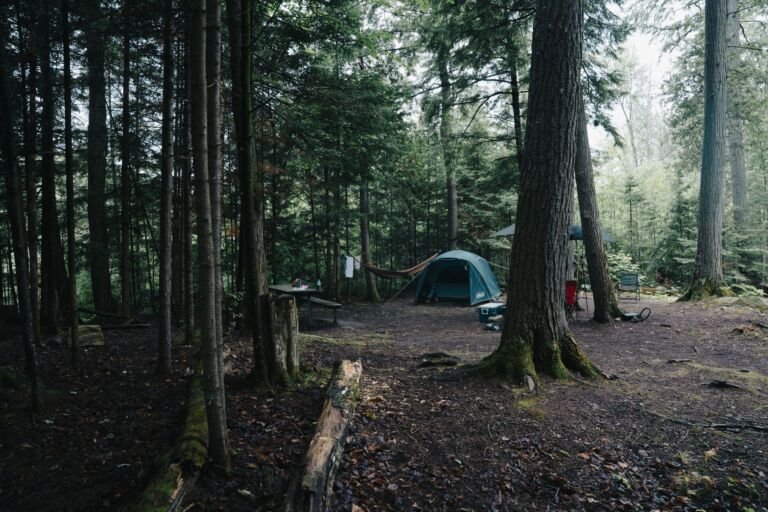 Riley Horse Campground & Day Use
A horse camp with a day-use area on Lost Creek near the Sandy River, with corrals and riding trails, reached via Lolo…
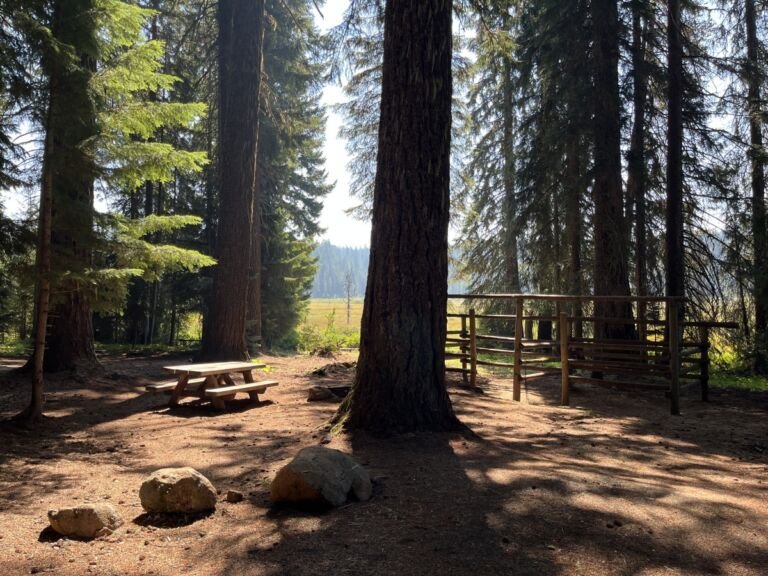 Joe Graham Horse Camp
 is an equestrian campground near Clackamas Lake with Mt. Hood views, vault toilets, potable water and trails for…
 Stone Creek Group Horse Camp (Timothy Lake)
3,227 ft
Stone Creek Group Horse Camp near Timothy Lake is a group campground built for equestrians, with corrals at every site, on Forest…
Gibson Prairie Horse Camp
Gibson Prairie Horse Camp is a primitive four-site equestrian camp off Forest Road 17, with log corrals, a stock tank and room…
 Triangle Lake Horse Camp (Olallie Lake)
Triangle Lake Horse Camp has quiet sites with long trailer pads near Triangle Lake within the Olallie Scenic Area, plus a range…
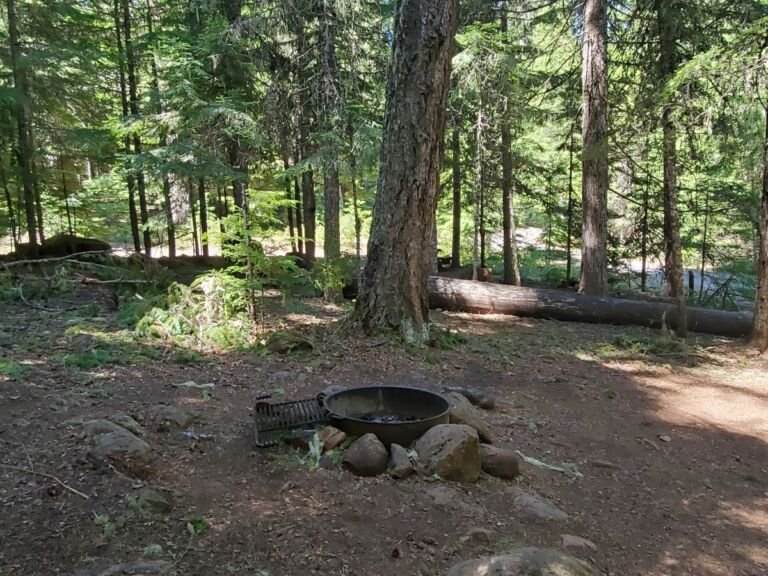 Clackamas Lake Campground
 sits by a small, shallow lake off Skyline Road, with fishing, swimming, boating, horse corrals and potable water.
 Bonney Meadows Campground
 is a small ridge-top camp beside a meadow, with horse corrals and trails for hikers, bikers and riders.
 Knebal Springs Campground & Day Use
 sits among ponderosa pines beside a 10-mile loop trail popular with mountain bikers and horseback riders.
The Forest Service's horse riding page for Mt. Hood says weed-free feed is required on all national forests and grasslands in Oregon and Washington. Here's what that means in practice under the regional forage order.
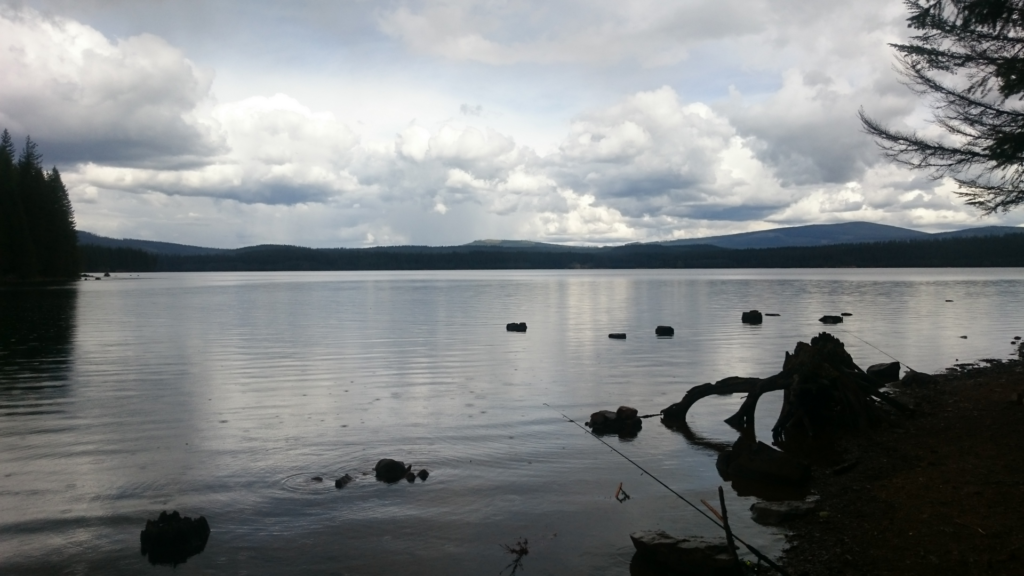
Hay, hay cubes, straw and grain must be state-certified weed free, with the state's tags or paperwork.
Commercially processed pellets and steamed or rolled grains are exempt.
Oregon's Department of Agriculture runs the state's weed-free forage program.
On Mount Hood Wilderness trails such as Cast Creek Trail, unprocessed livestock feed is banned outright.
These start at or near the horse camps and keep to gentle grades. Headwaters and Miller trails are maintained for horse travel near Joe Graham, the Gibson Prairie trails link the camp and trailhead there, and Lodgepole Trail climbs from Triangle Lake to the Pacific Crest Trail.
 Headwaters Trail #522
3.6 mi round trip
237 ft
Easy
A gentle horse trail between the Pacific Crest Trail near Joe Graham Horse Camp and Miller Trail #534, with a 2.4-mile loop…
 Miller Trail #534
4.2 mi round trip
298 ft
Moderate
A gentle 2.1-mile horse trail linking the Pacific Crest Trail near Clackamas Lake Campground to Timothy Lake Trail #528 near Timothy Lake.
Show Pony Trail #425
2.6 mi round trip
148 ft
Easy
A 1.3-mile link in the Gibson Prairie Trail System connecting Gibson Prairie Horse Camp with Gibson Prairie Trailhead, used by riders and…
 Mustang Trail #422
4.4 mi round trip
467 ft
Moderate
A 2.17-mile trail for riders and hikers in the Gibson Prairie Trail System, linking Forest Road 1700-660 with Gibson Prairie Horse Camp.
Thoroughbred Trail #427
4.2 mi round trip
648 ft
Moderate
A 2.1-mile piece of the Gibson Prairie Trail System, starting across from Gibson Prairie Horse Camp and looping with Buckskin Trail.
North Section Line Trail #451
9 mi round trip
1,471 ft
Hard
A 5-mile ridge trail along The Dalles Watershed boundary for hikers, riders and bikers, with views into the Mill Creek drainage.
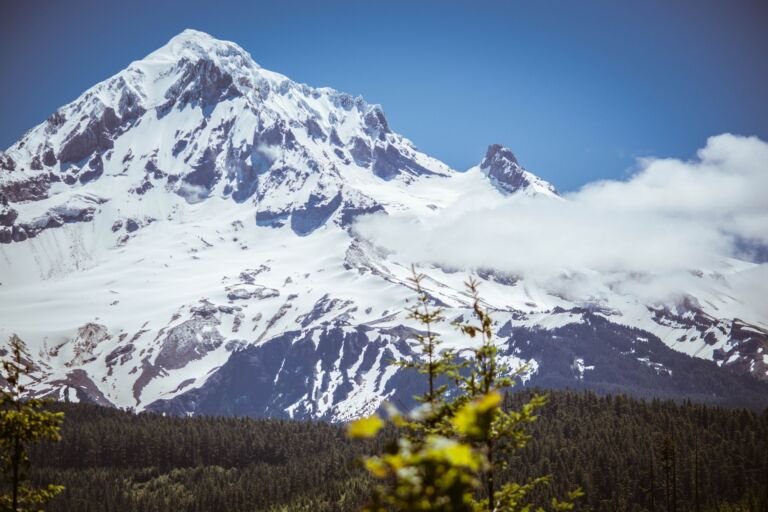 Lodgepole Trail #706
8.8 mi round trip
1,648 ft
Hard
An Olallie Lake Scenic Area trail from Triangle Lake Horse Camp by Triangle and Middle lakes, with an easy horse route to…
New to these camps, or warming up a young horse? These are the gentlest rides in the lists.
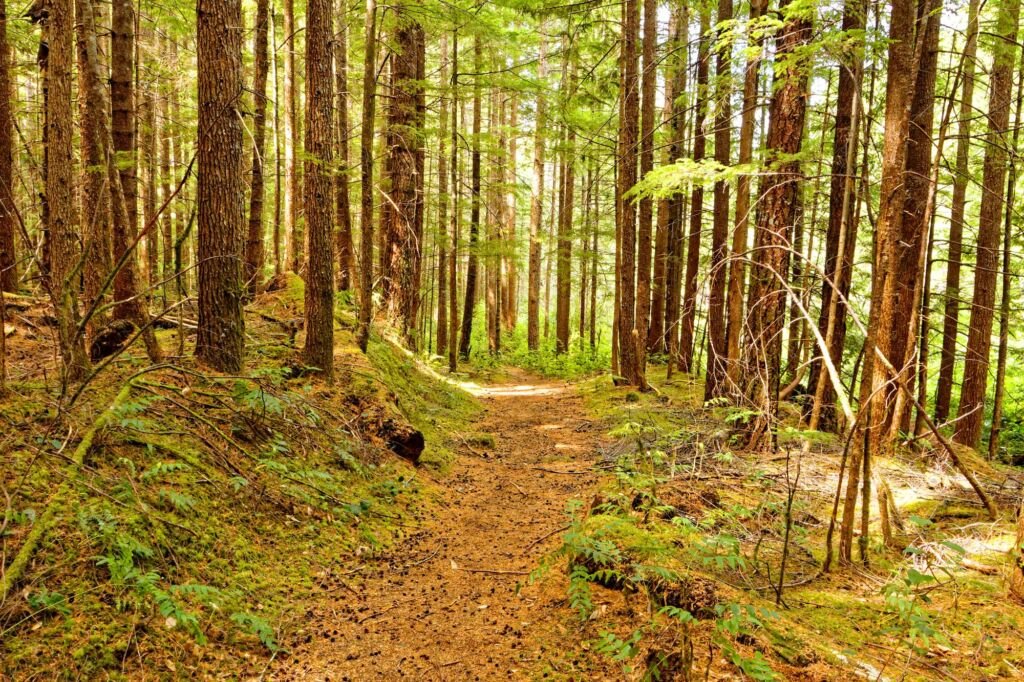
From Joe Graham, Headwaters Trail #522 pairs with the Pacific Crest Trail for a 2.4-mile loop with little climbing. Bikes aren't allowed on the PCT.
Show Pony Trail #425 is a 1.3-mile link between Gibson Prairie Horse Camp and Gibson Prairie Trailhead, with very little gain.
Miller Trail #534 winds 2.1 miles at an easy grade from the PCT near Clackamas Lake to the Timothy Lake Trail.
Mustang Trail #422 has little elevation change and is one leg of the usual loop from Gibson Prairie Horse Camp.
The Forest Service lists these longer trails as open to horses. Dog River and Surveyor's Ridge are multi-use trails east of OR 35, popular with mountain bikers too. Bluegrass Ridge and Twin Lakes enter the Mount Hood Wilderness, where wilderness rules apply. East-side closures changed on Nov 6, 2026, so check alerts before you ride Dog River or Surveyor's Ridge.
 Pioneer Bridle Trail #795
16 mi round trip
2,488 ft
Very hard
A mostly downhill mountain bike and hiking route between Government Camp and Rhododendron, partly on the historic Barlow Road.
 Dog River Trail #675
10.6 mi round trip
2,565 ft
Very hard
A trail on Mount Hood's east side from Hwy 35 across Dog River up to two Mt. Hood viewpoints, with lots of…
 Surveyor’s Ridge Trail #688
35 mi round trip
6,218 ft
Very hard
A long ridge trail above the Hood River Valley with views of Mt. Rainier, Mount St. Helens, Mt. Adams and Mt. Hood,…
Bluegrass Ridge Trail #647
12.2 mi round trip
3,084 ft
Very hard
A ridge trail on Mount Hood's east side that weaves in and out of the wilderness, with views of Elk Meadows, Mount…
 Twin Lakes Trail #495
6 mi round trip
950 ft
Hard
A Mount Hood Wilderness trail off the Pacific Crest Trail that visits Lower and Upper Twin Lakes, with swimming and a cliff-top…