Skip to content
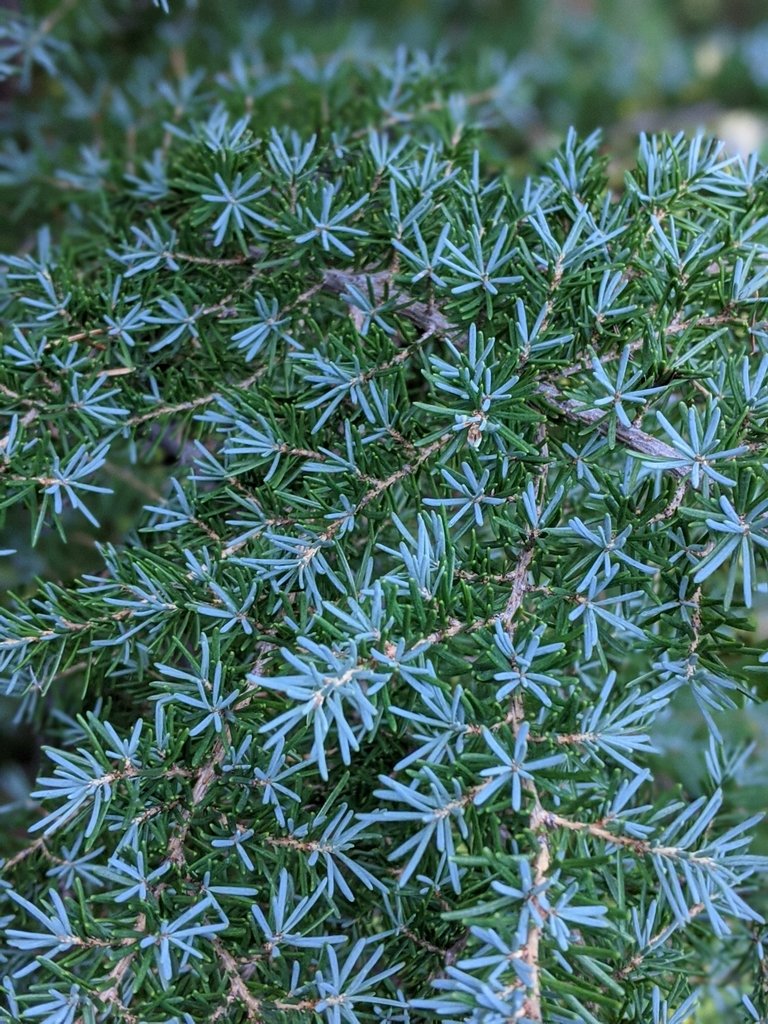 Mountain Hemlock
Tsuga mertensiana
May – Oct
The snow-loving conifer of Mt. Hood's high country, with a drooping tip and short needles crowded all around its twigs.
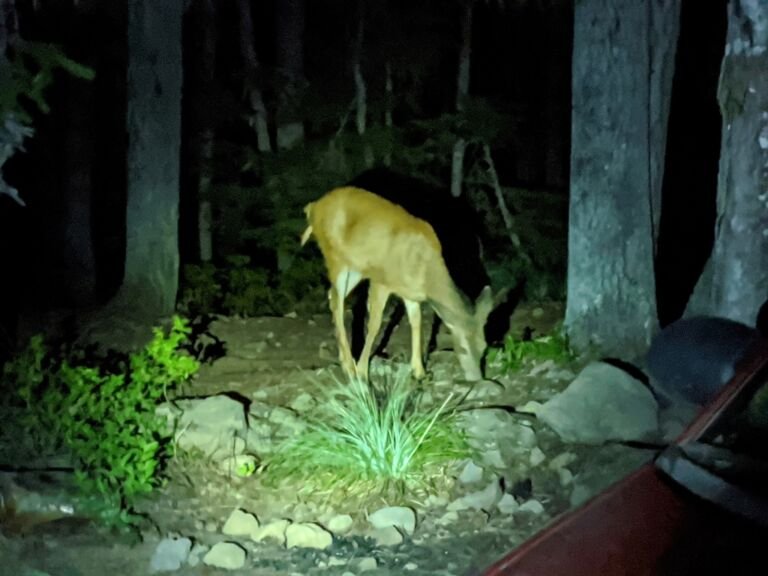 Mule Deer
Odocoileus hemionus
Mar – Oct
Mt. Hood sits where two forms of this deer meet: black-tailed deer on the wet west side and mule deer on the…
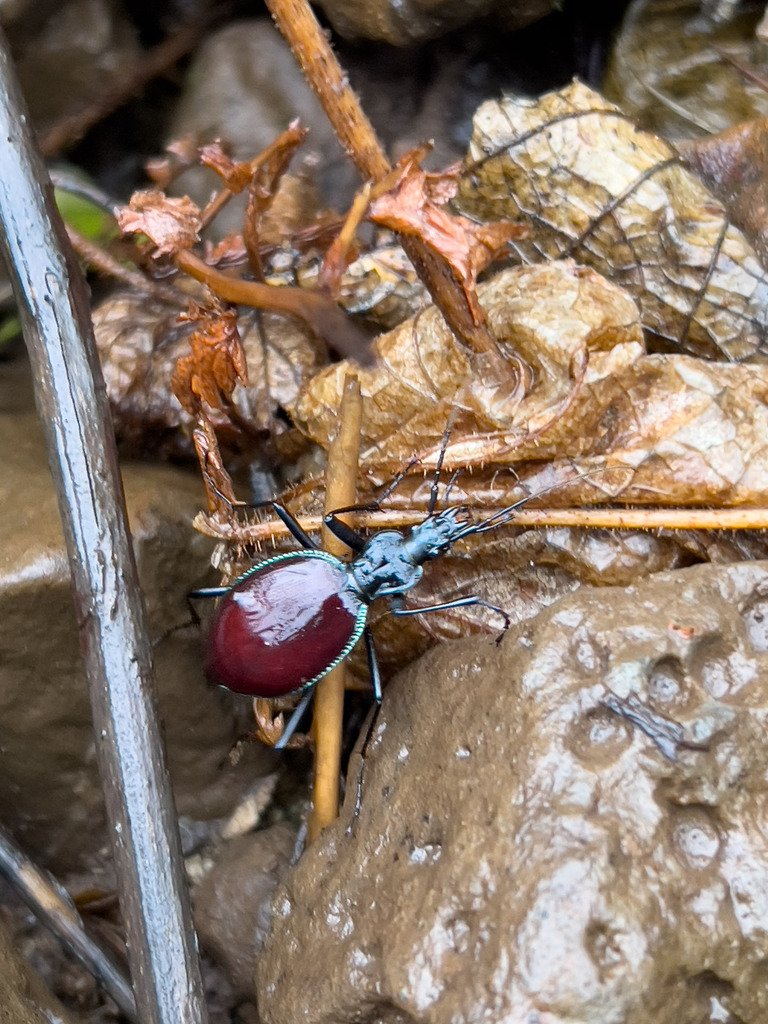 Narrow-collared Snail-eating Beetle
Scaphinotus angusticollis
May – Jun, Aug – Nov
A large, night-active ground beetle with a long, narrow head that it pushes into snail shells to feed on the snail inside.…
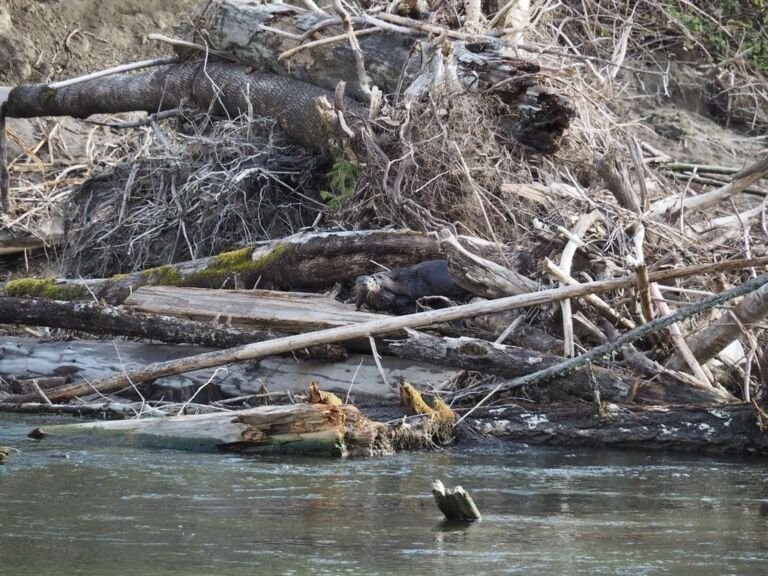 North American River Otter
Lontra canadensis
Feb – May, Jul – Nov
A sleek, playful swimmer of rivers and lakes, with webbed feet and a thick, tapering tail. Mostly active at night but sometimes…
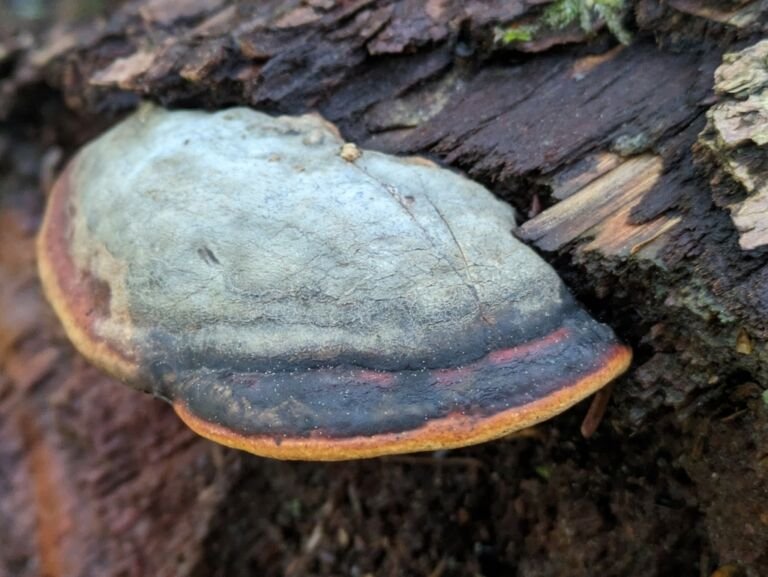 Northern Red Belt
Fomitopsis mounceae
Jan, Mar – Nov
A hard, hoof-shaped shelf fungus with a glossy orange-red band and a white rim, common on dead conifers, where it breaks wood…
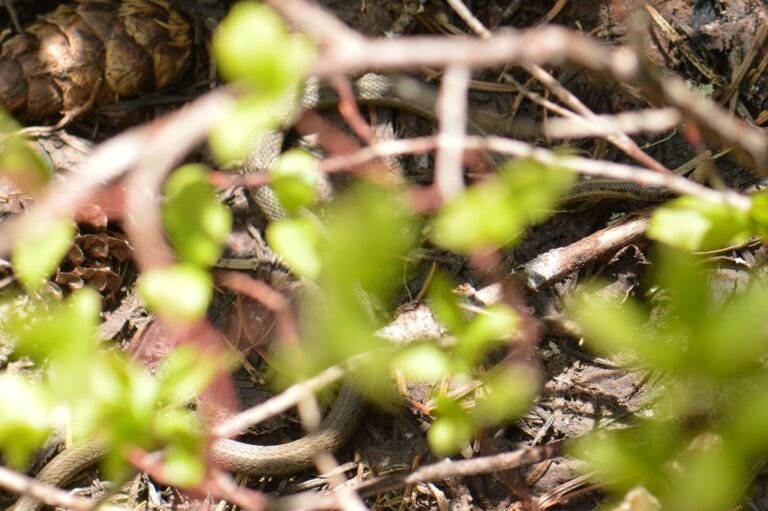 Northwestern Garter Snake
Thamnophis ordinoides
Apr – Oct
A small, harmless garter snake with a small head and wildly variable stripes, often basking at sunny forest edges and hunting slugs…
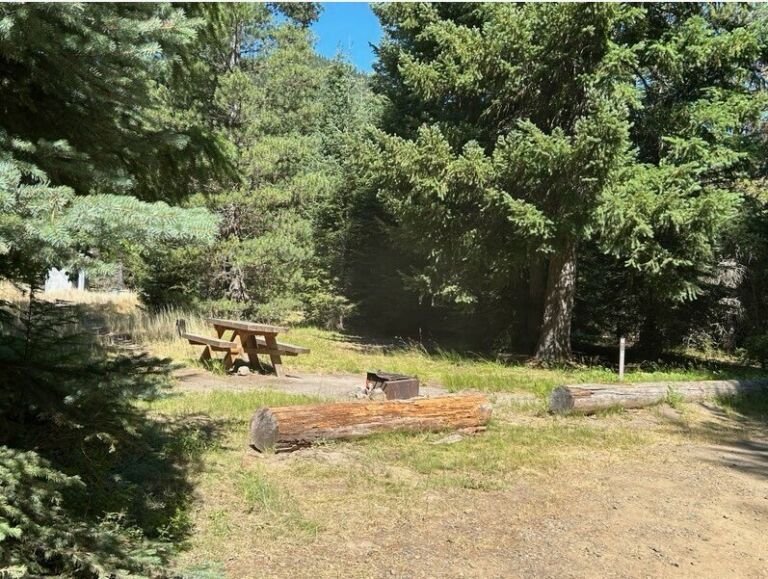 Nottingham Campground & Day Use
A riverside campground and day-use area on the Hood River, just off Highway 35 between the town of Hood River and Mt.…
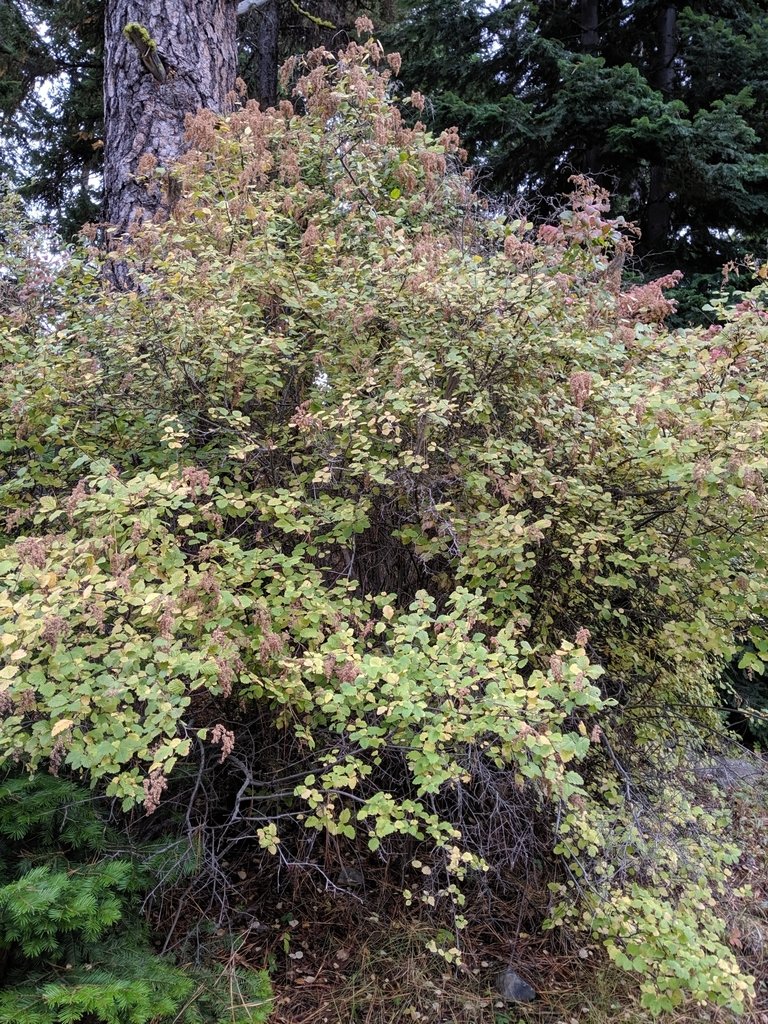 Ocean Spray
Holodiscus discolor
May – Oct
A tall, arching shrub that covers itself in drooping plumes of tiny cream flowers in early summer. Common on dry, sunny slopes…
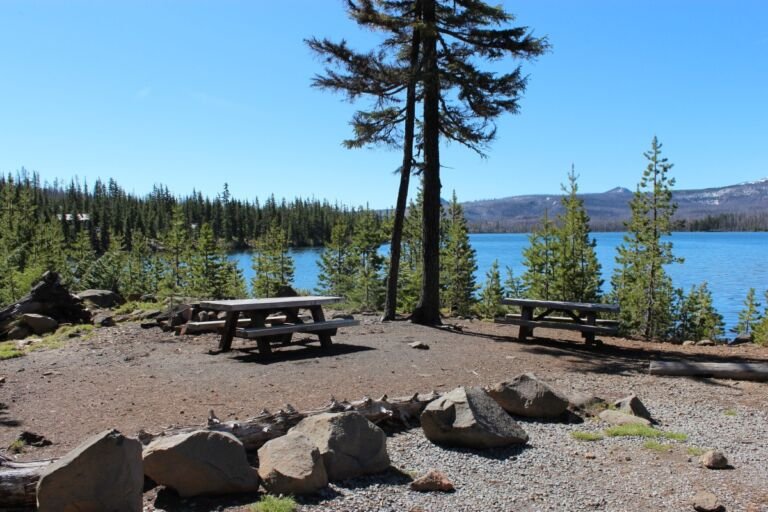 Olallie Lake Day Use Area
Jun – Sep
A lakeside picnic and fishing area next to Olallie Lake Resort, with views across Olallie Lake to Mt. Jefferson.
 Olallie Lake Guard Station
Jun – Sep
A historic rental cabin near Olallie Lake at almost 5,000 feet, with a massive stone chimney, wood interior, and hand-wrought ironwork.
 Olallie Lake Resort
Jun – Sep
Olallie Lake Resort offers cabins, yurts and camping on a remote lake in the Olallie Lake Scenic Area, with fishing, boating and…
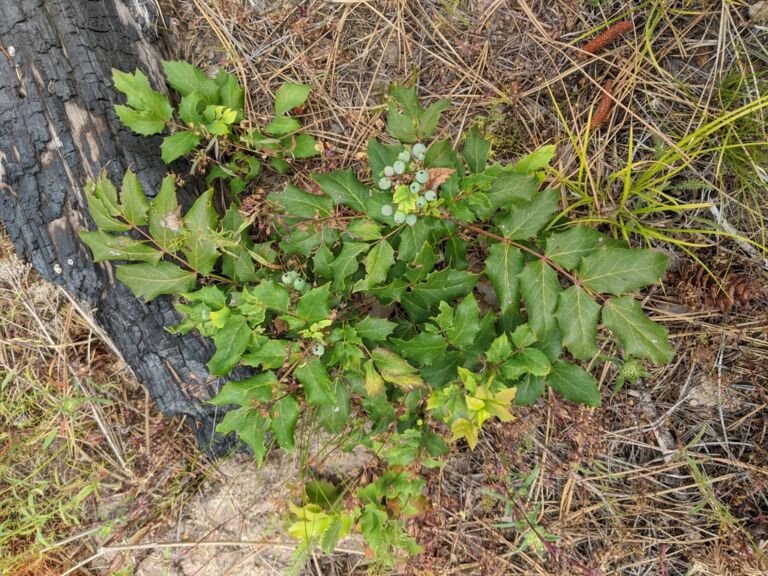 Oregon Grape
Berberis aquifolium
Mar – Sep
Oregon's state flower: an evergreen shrub with glossy, holly-like leaflets, bright yellow spring flowers and clusters of powdery blue berries.
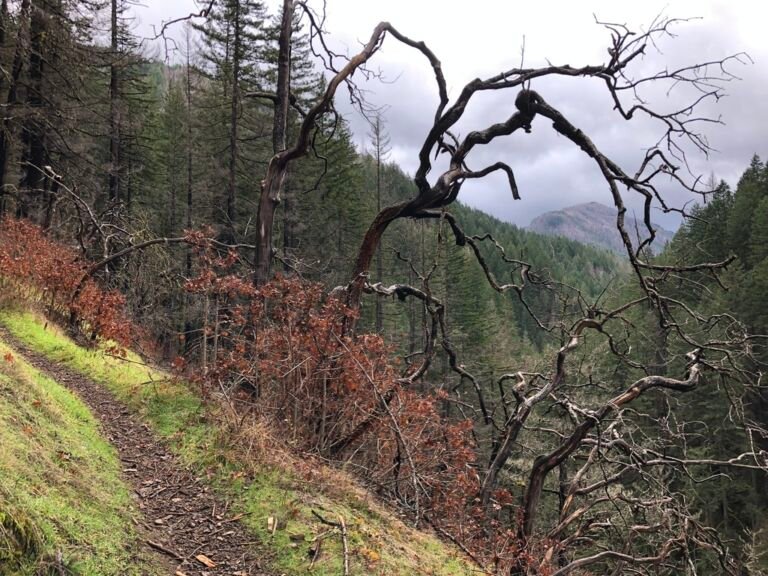 Oregon Oak
Quercus garryana
Feb – Nov
Oregon's native white oak: a slow-growing tree of dry, open slopes that can live about 500 years and feeds a long list…
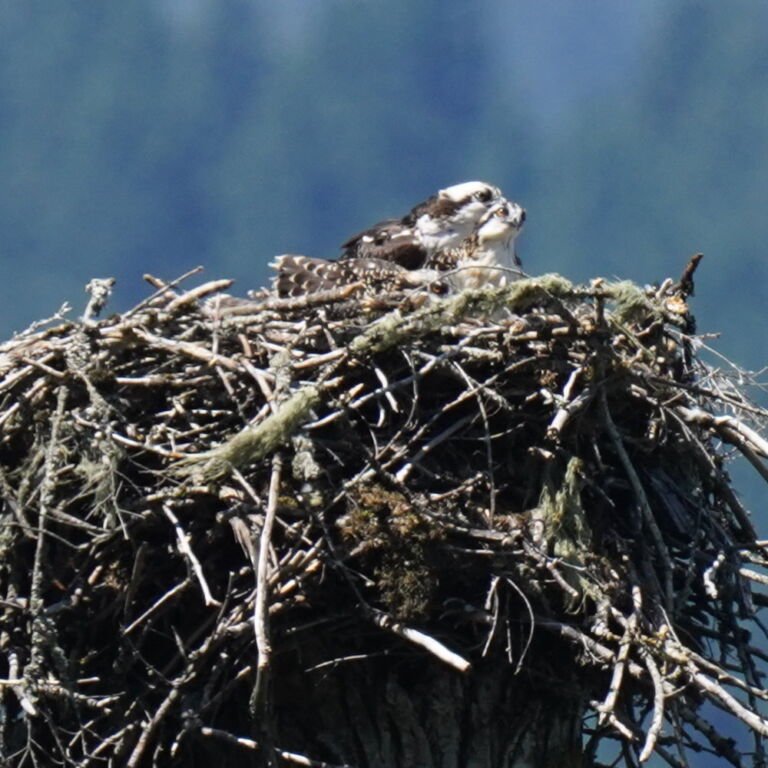 Osprey
Pandion haliaetus
Apr – Sep
A big fish-eating raptor with white underparts and a dark eye stripe that hovers over lakes and rivers, then plunges feet first…
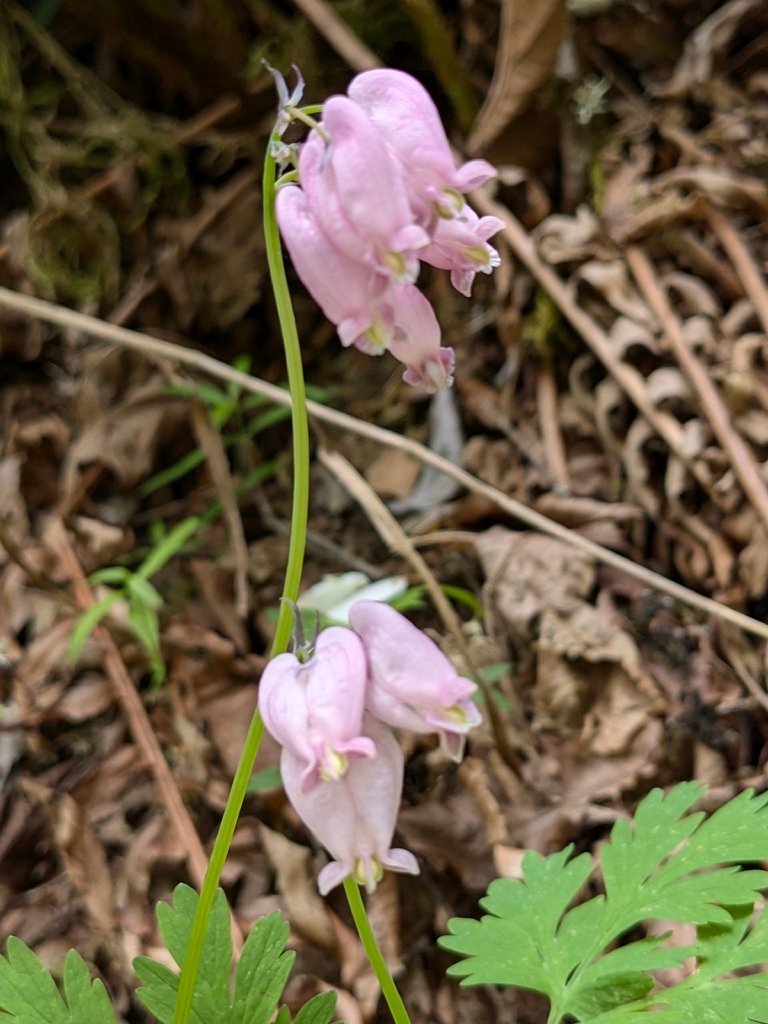 Pacific Bleeding Heart
Dicentra formosa
Apr – Jul
A shade-loving spring wildflower with fernlike leaves and drooping clusters of pink, heart-shaped flowers, found in moist forest and along streams.
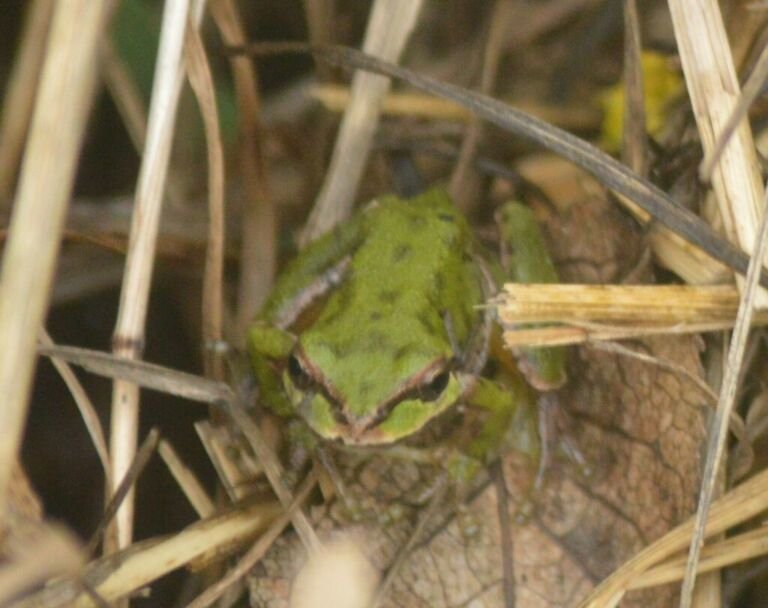 Pacific Chorus Frog
Pseudacris regilla
Mar – Oct
Oregon's smallest frog, with a dark eye stripe and a loud chorus at breeding ponds. It can be green, brown, gray or…
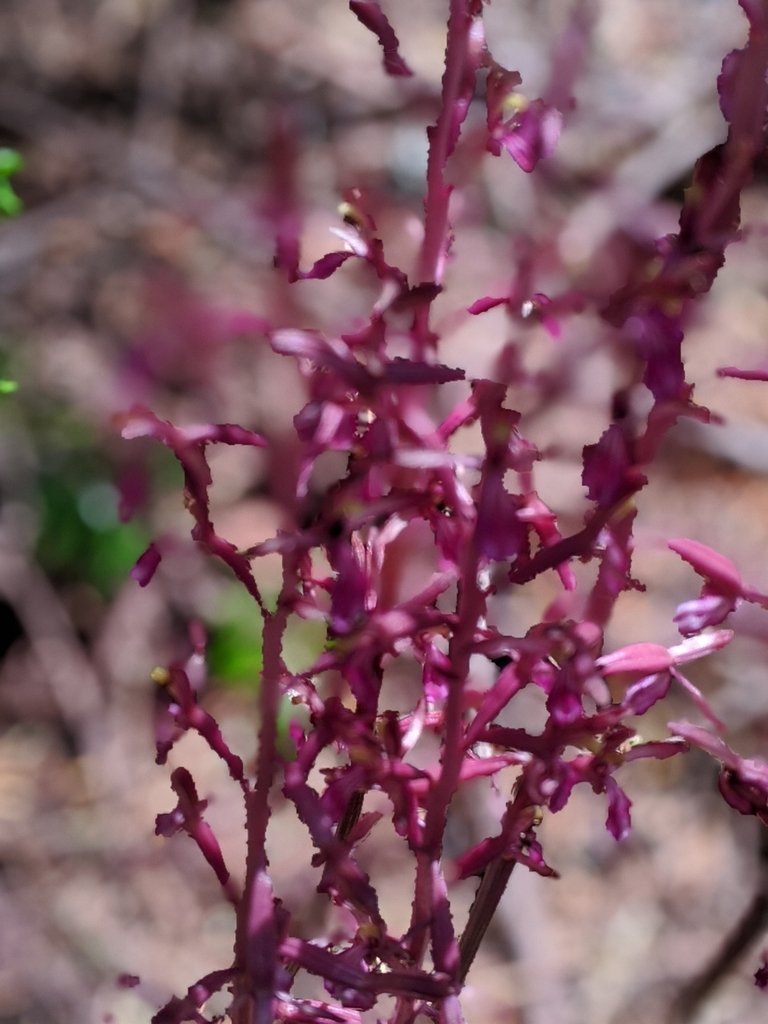 Pacific Coralroot
Corallorhiza mertensiana
Jun – Aug
A leafless reddish purple orchid of shady conifer forests that gets its nourishment through soil fungi instead of from sunlight.
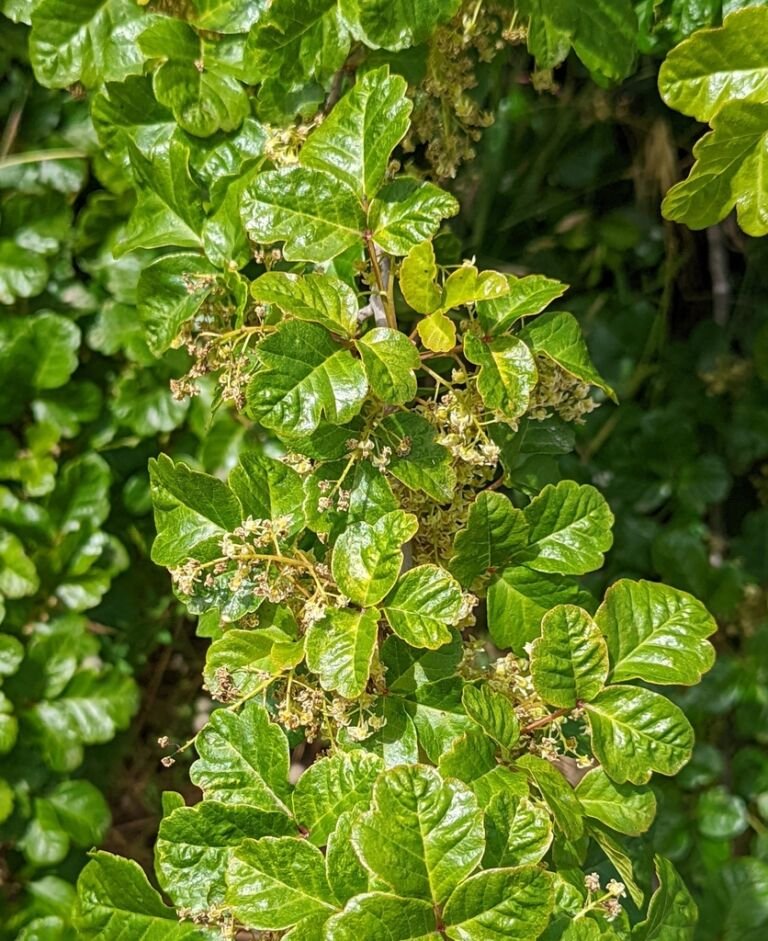 Pacific Poison Oak
Toxicodendron diversilobum
Apr – Oct
A native shrub or climbing vine with leaves in threes. Every part carries an oil that causes an itchy rash, even when…
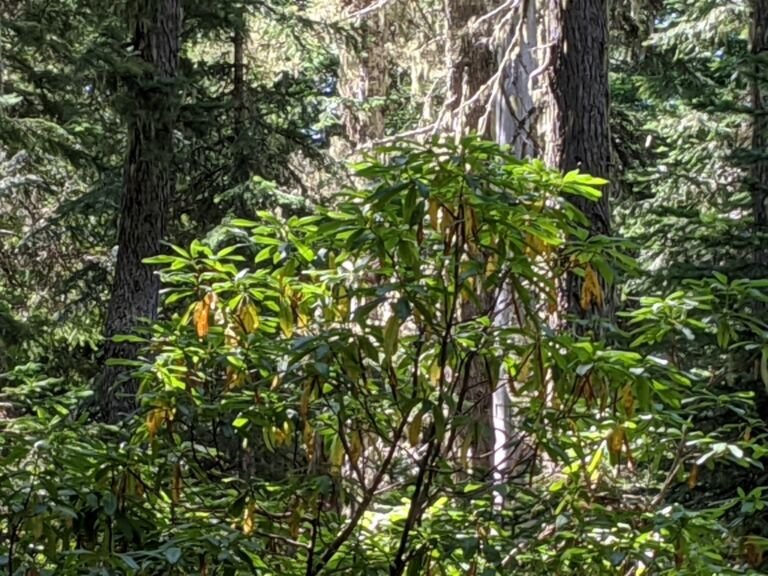 Pacific Rhododendron
Rhododendron macrophyllum
May – Aug
An evergreen shrub of Mt. Hood's lower forests with big clusters of pink, bell-shaped flowers in late spring. Every part of the…
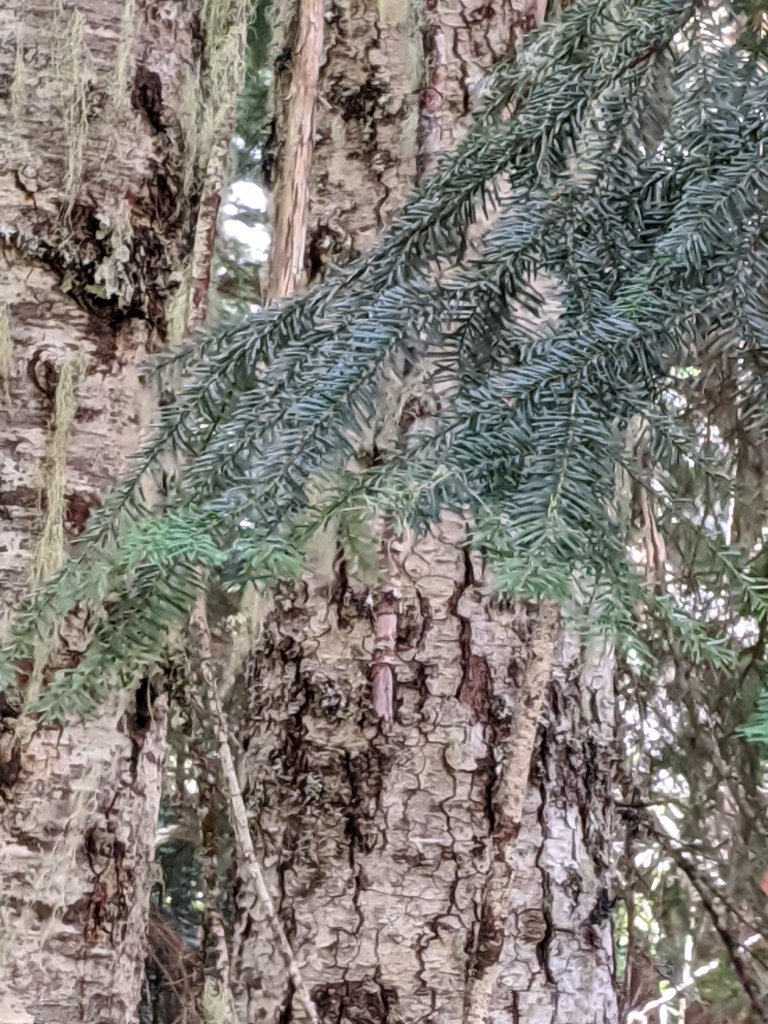 Pacific Silver Fir
Abies amabilis
May – Oct
A shade-loving fir of snowy middle slopes, with smooth gray bark, upright purple cones and needles that are silvery white underneath.
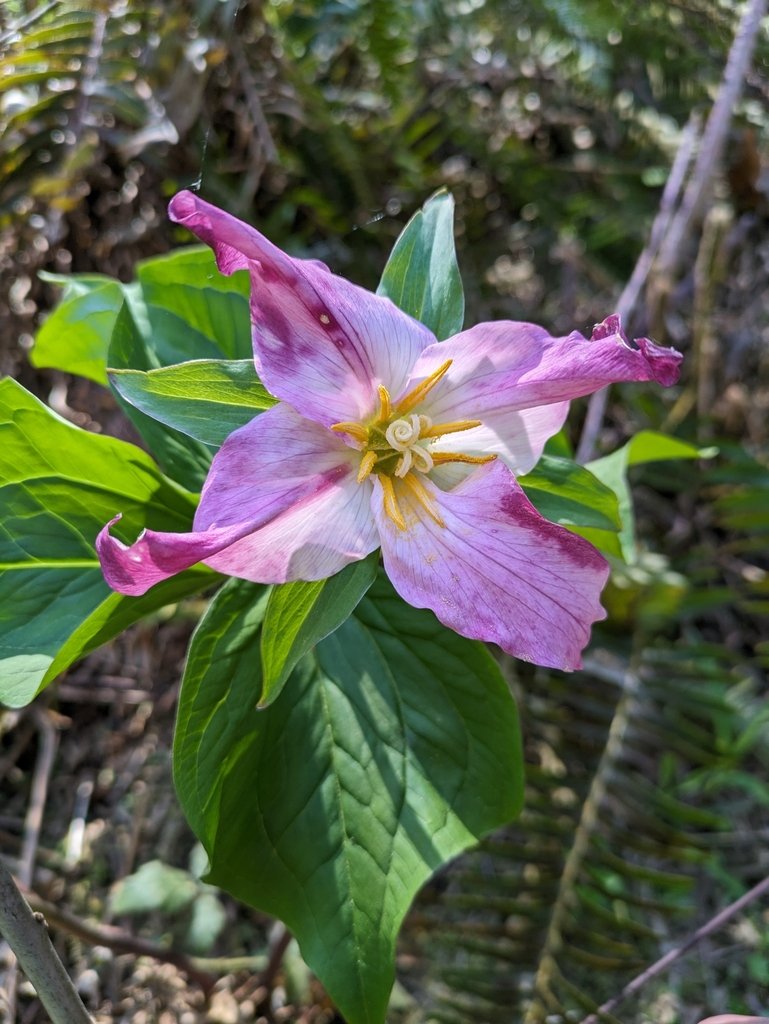 Pacific Trillium
Trillium ovatum
Mar – Aug
A spring wildflower of damp woods with three broad leaves and one white, three-petaled flower that turns pink to purple as it…
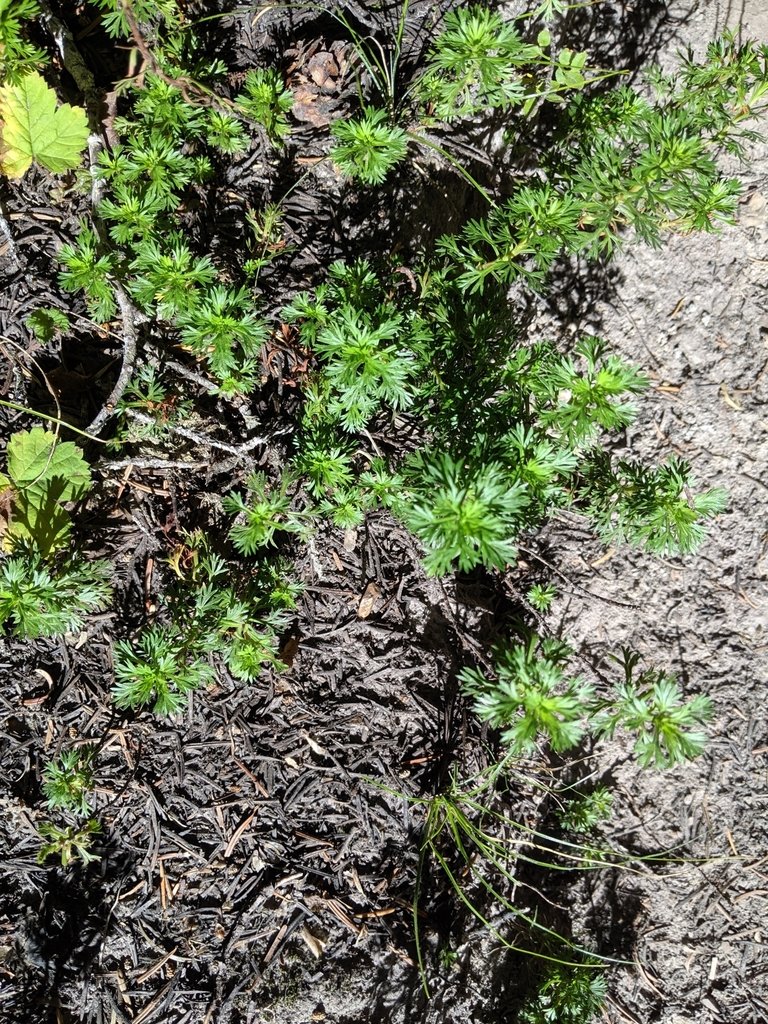 Partridgefoot
Luetkea pectinata
Jul – Oct
A mat-forming high-country plant with finely cut leaves and fluffy spikes of small white flowers where snow lingers late.
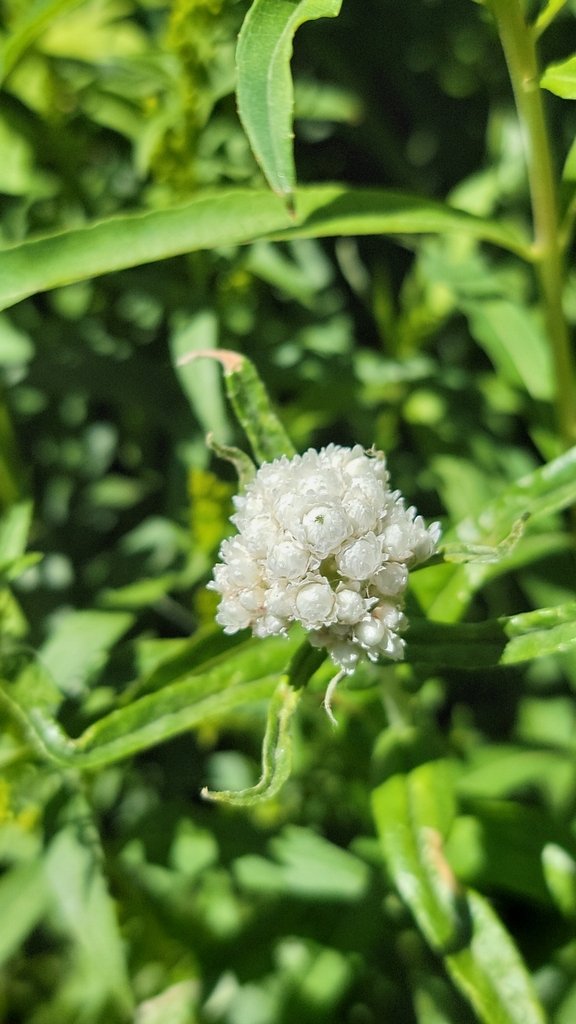 Pearly Everlasting
Anaphalis margaritacea
Jul – Oct
A woolly white wildflower whose papery, pearl-white flower heads stay fresh-looking for weeks. Common in sunny openings through summer.
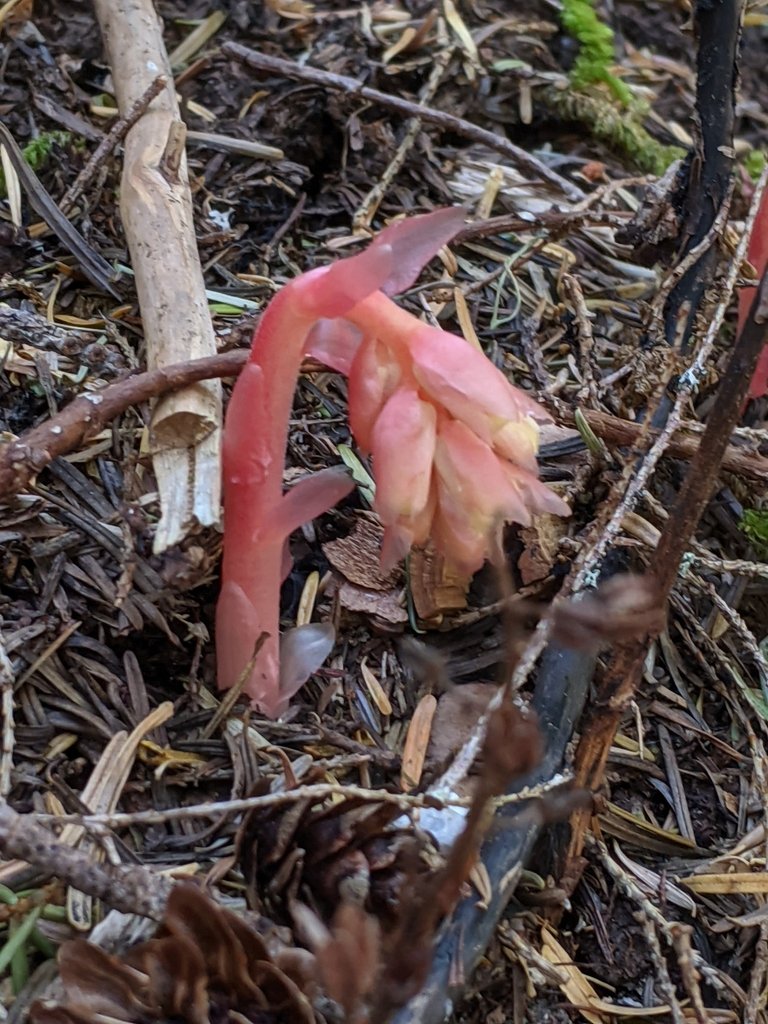 Pinesap
Monotropa hypopitys
Jun – Sep
A leafless yellow, pink or red wildflower with no chlorophyll that draws its food from fungi linked to forest trees.