Our nature pages count iNaturalist sightings near Mt. Hood, and the months shown are the months with the most reports. That tells you when an animal is out and easy to find, not where. So go to the right habitat in the right month, bring binoculars and look slowly.
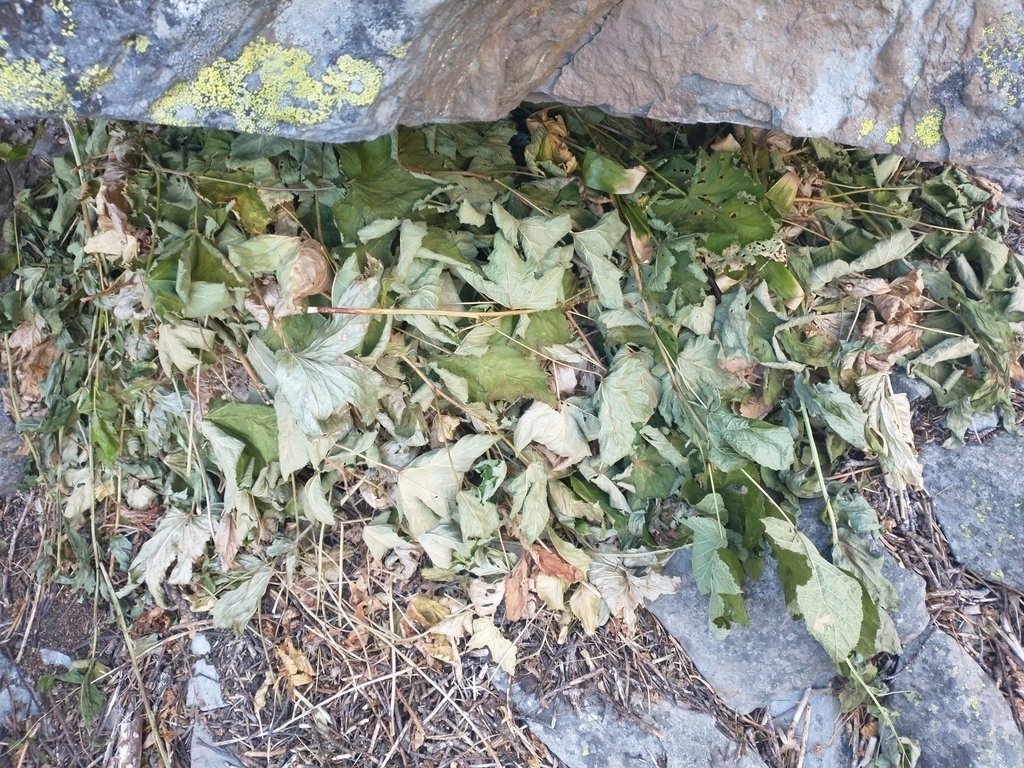
Pikas live in boulder fields and talus slopes, mostly subalpine and alpine. Yellow-bellied marmots like rocky ground next to lush plants, only east of a line running from Mt. Hood down to Crater Lake.
Douglas's squirrels are active by day all year. Townsend's chipmunks keep to the shady west slope.
Golden-mantled ground squirrels favor the drier east side, and western fence lizards look for sunny, rocky sites.
Beavers and river otters live in and along the water, and newts, chorus frogs and giant salamanders breed there.
Deer and elk use forest, clearings and meadows.
Ground squirrels and chipmunks have the most reports, nearly all from spring through fall. Pikas mean a walk into rocky high country. Black bears, elk and river otters live here too but are seen far less often.
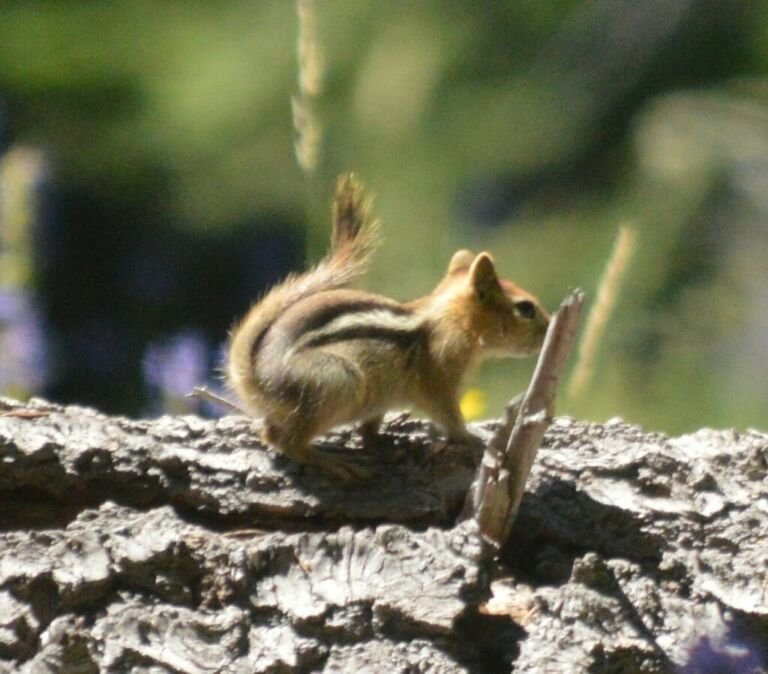 Golden-mantled Ground Squirrel
Callospermophilus lateralis
Jun – Oct
A stocky ground squirrel with a coppery head and shoulders and a white side stripe edged in black. Unlike a chipmunk, it…
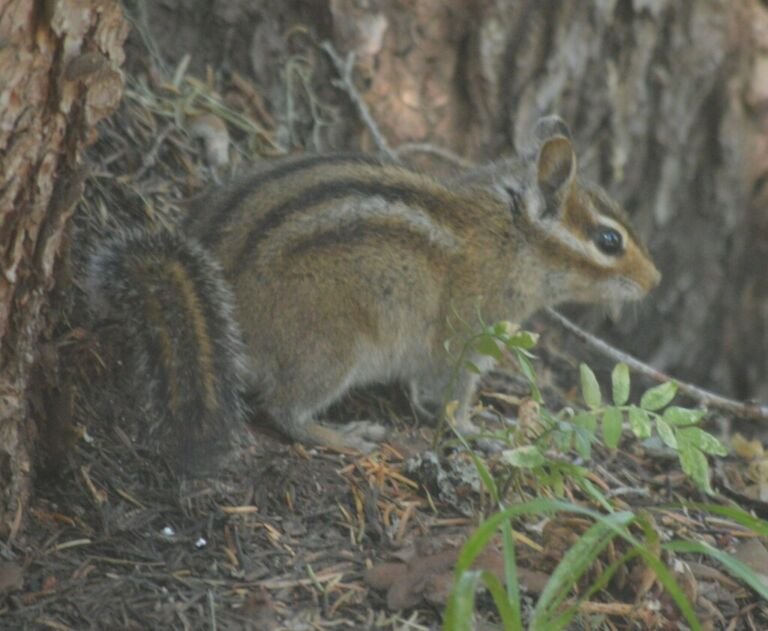 Townsend’s Chipmunk
Neotamias townsendii
Apr – Oct
Oregon's largest chipmunk, a dark, dull-striped resident of west Cascades forests that is often heard calling before it is seen.
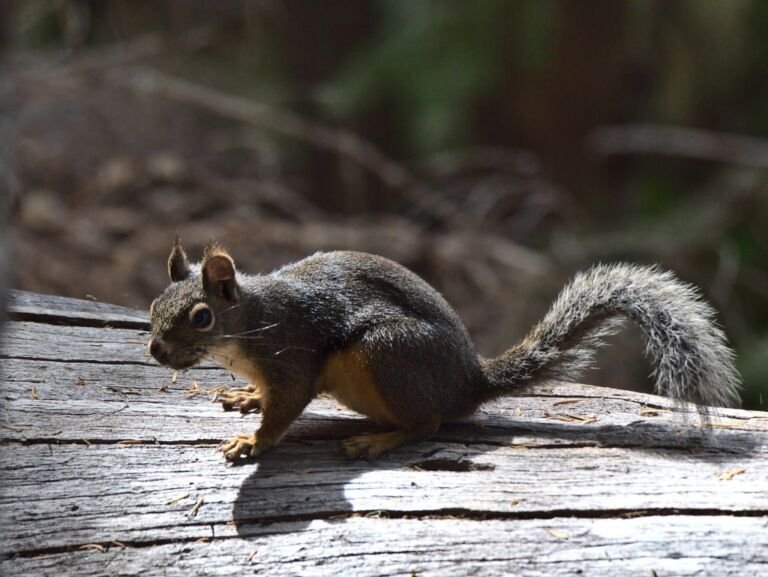 Douglas’s Squirrel
Tamiasciurus douglasii
Apr – Nov
A small, loud tree squirrel of conifer forests that scolds hikers from the branches and leaves big piles of stripped cone scales.
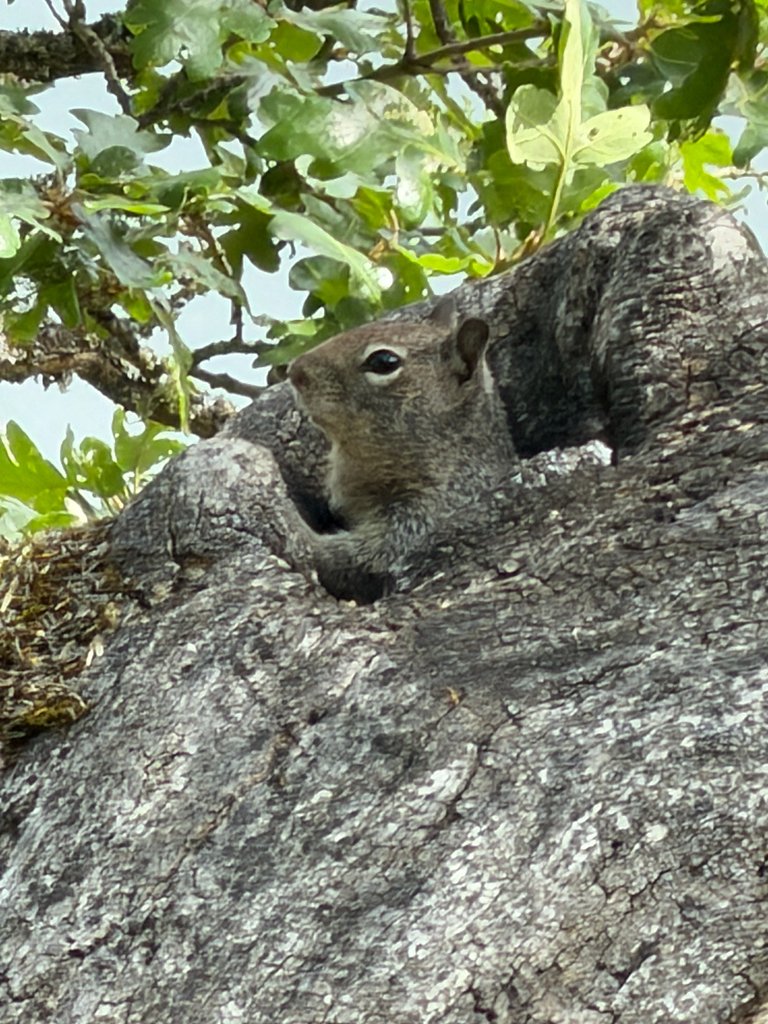 Douglas’s Ground Squirrel
Otospermophilus douglasii
Mar – Sep
A big, speckled gray-brown ground squirrel with a bushy tail that lives in burrow colonies in open ground and loves to perch…
 American Pika
Ochotona princeps
May – Oct
A small, round, tailless rabbit relative that lives in high rock slopes, squeaks from the boulders and stores hay for winter.
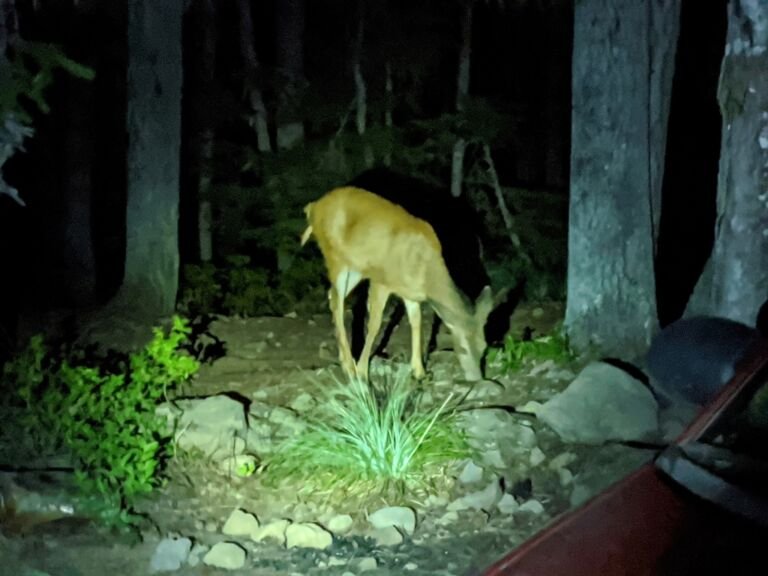 Mule Deer
Odocoileus hemionus
Mar – Oct
Mt. Hood sits where two forms of this deer meet: black-tailed deer on the wet west side and mule deer on the…
 American Beaver
Castor canadensis
Feb, Apr – Dec
North America's largest rodent and Oregon's state animal, a dam-building engineer of streams and ponds that is most active at dusk and…
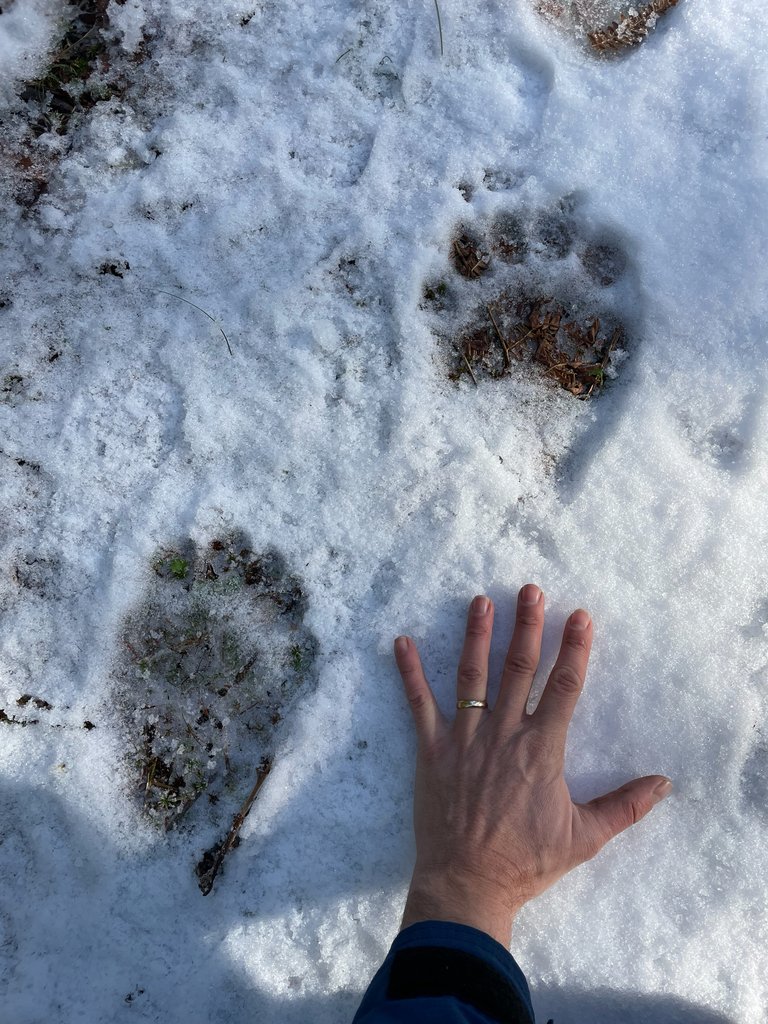 American Black Bear
Ursus americanus
Apr – Oct, Dec
Oregon's largest living carnivore, at home in Mt. Hood's forests. Despite the name it can be black, brown or cinnamon, and it…
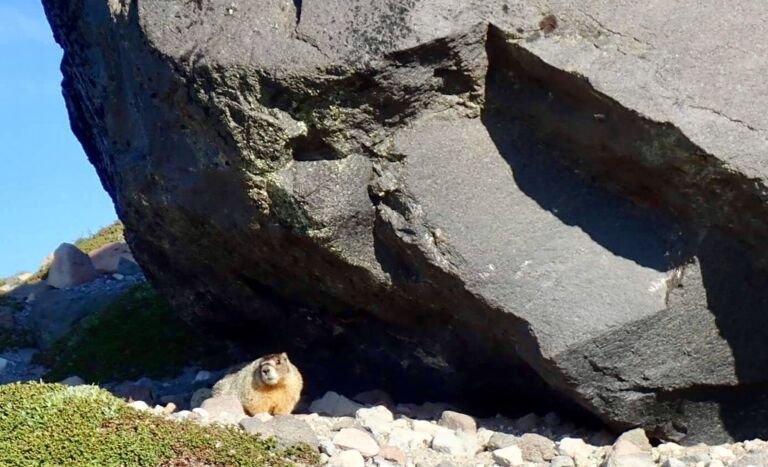 Yellow-bellied Marmot
Marmota flaviventris
Jul – Aug
Oregon's largest squirrel, a stocky marmot of rock piles and meadows that whistles an alarm and spends most of the year hibernating.
 Snowshoe Hare
Lepus americanus
May – Dec
A forest hare with oversized furry hind feet that turns white in winter in many places and hides in dense young conifers…
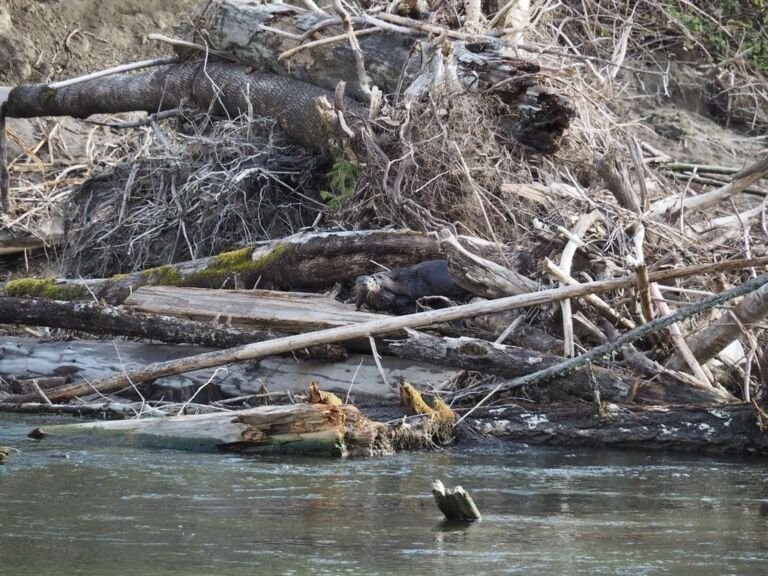 North American River Otter
Lontra canadensis
Feb – May, Jul – Nov
A sleek, playful swimmer of rivers and lakes, with webbed feet and a thick, tapering tail. Mostly active at night but sometimes…
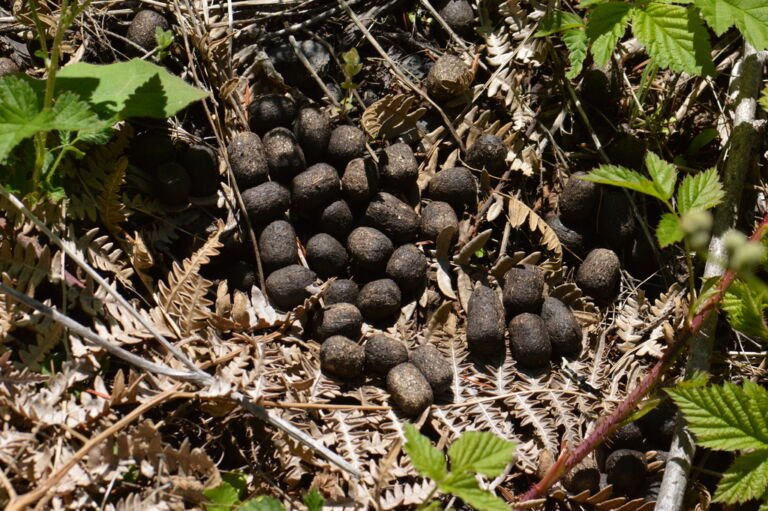 Elk
Cervus canadensis
Feb, May – Jun, Aug – Sep, Nov
Oregon's biggest member of the deer family. Roosevelt elk live west of the Cascade crest and Rocky Mountain elk east of it.
The rough-skinned newt has more reports than any other animal on this page, often met crossing trails and roads on its spring and fall migrations. Cascades frogs keep to wet meadows, bogs and ponds above about 2,400 feet. The common garter snake is harmless to people, and the northwestern garter snake is small and mild-mannered.
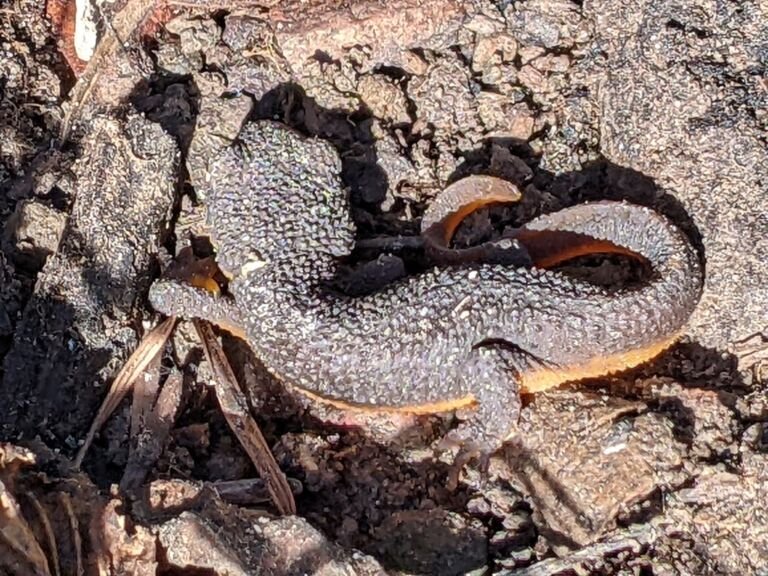 Rough-skinned Newt
Taricha granulosa
Apr – Oct
A brown newt with dry, bumpy skin and a bright orange belly, often seen crossing forest trails and roads. Its skin carries…
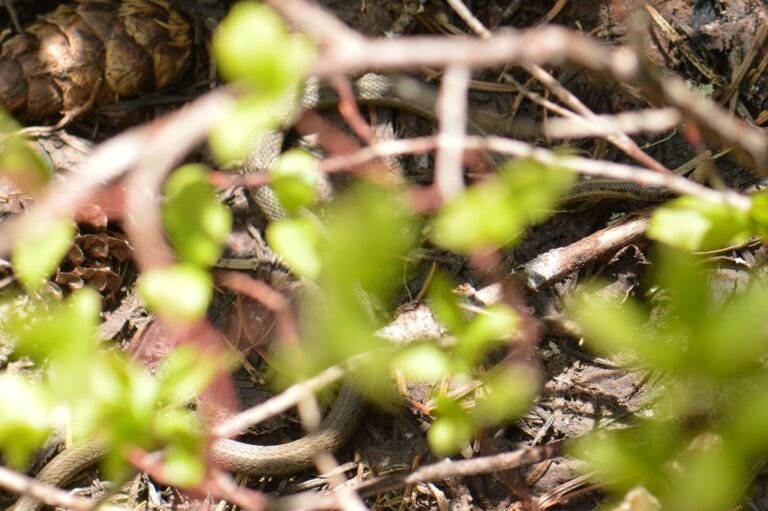 Northwestern Garter Snake
Thamnophis ordinoides
Apr – Oct
A small, harmless garter snake with a small head and wildly variable stripes, often basking at sunny forest edges and hunting slugs…
 Common Garter Snake
Thamnophis sirtalis
Mar – Oct
A harmless, slim striped snake of wet meadows and pond edges, with three yellow stripes and often red spots along its sides.
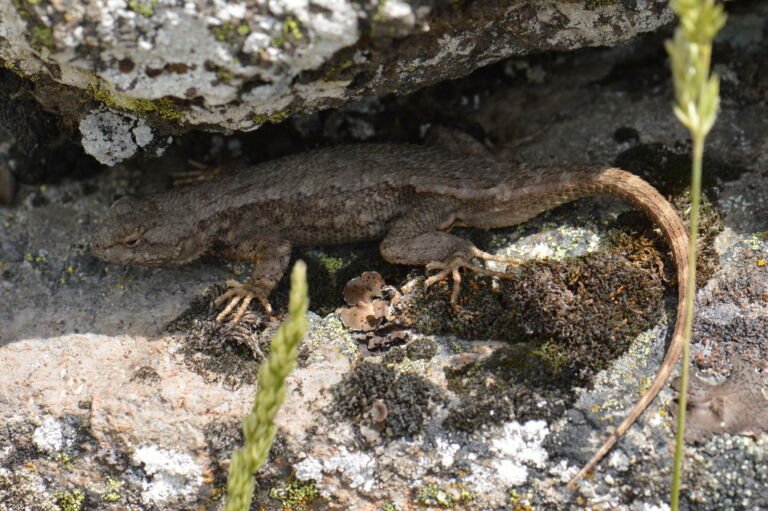 Western Fence Lizard
Sceloporus occidentalis
Apr – Sep
A spiny gray-brown lizard that basks on sunny rocks and logs. Males flash bright blue belly patches and do push-ups to claim…
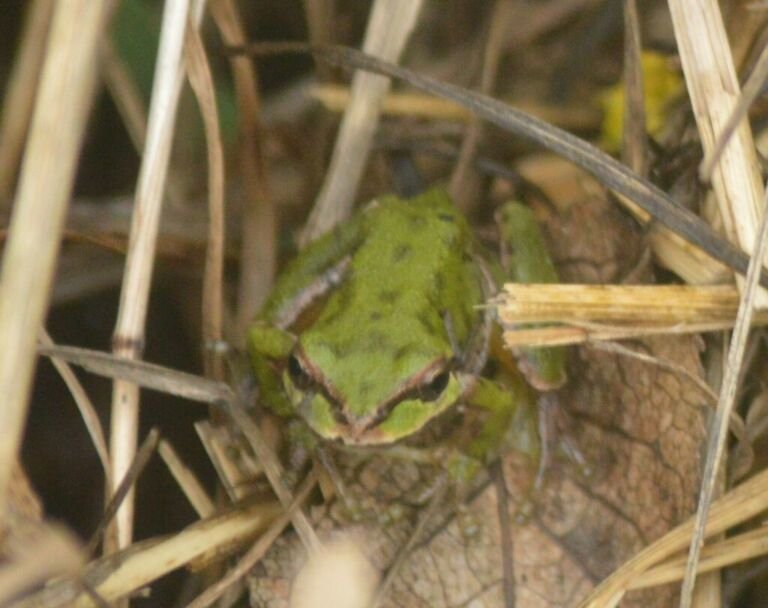 Pacific Chorus Frog
Pseudacris regilla
Mar – Oct
Oregon's smallest frog, with a dark eye stripe and a loud chorus at breeding ponds. It can be green, brown, gray or…
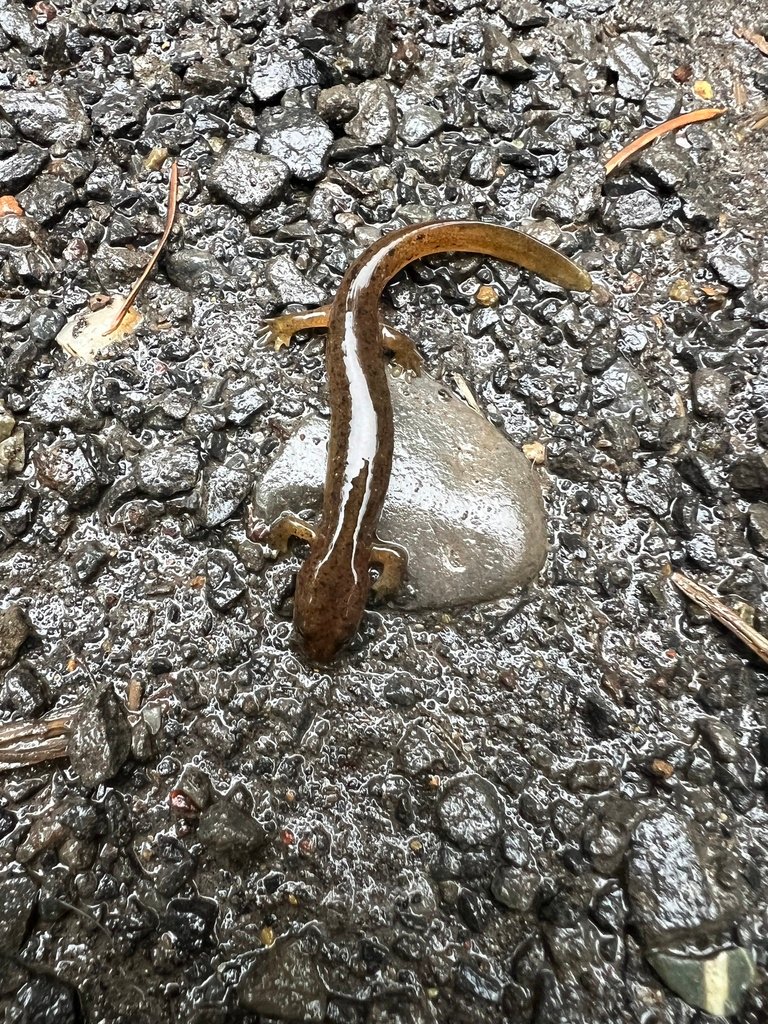 Cascade Torrent Salamander
Rhyacotriton cascadae
Mar – Jun, Aug – Jan
A small, big-eyed salamander with a bright yellow belly that lives in icy headwater streams, seeps and waterfall spray on Mt. Hood's…
 Dunn’s Salamander
Plethodon dunni
Mar – Jun, Oct – Jan
A large, dark woodland salamander with a tan to greenish back stripe, found under rocks along shaded forest streams. It has no…
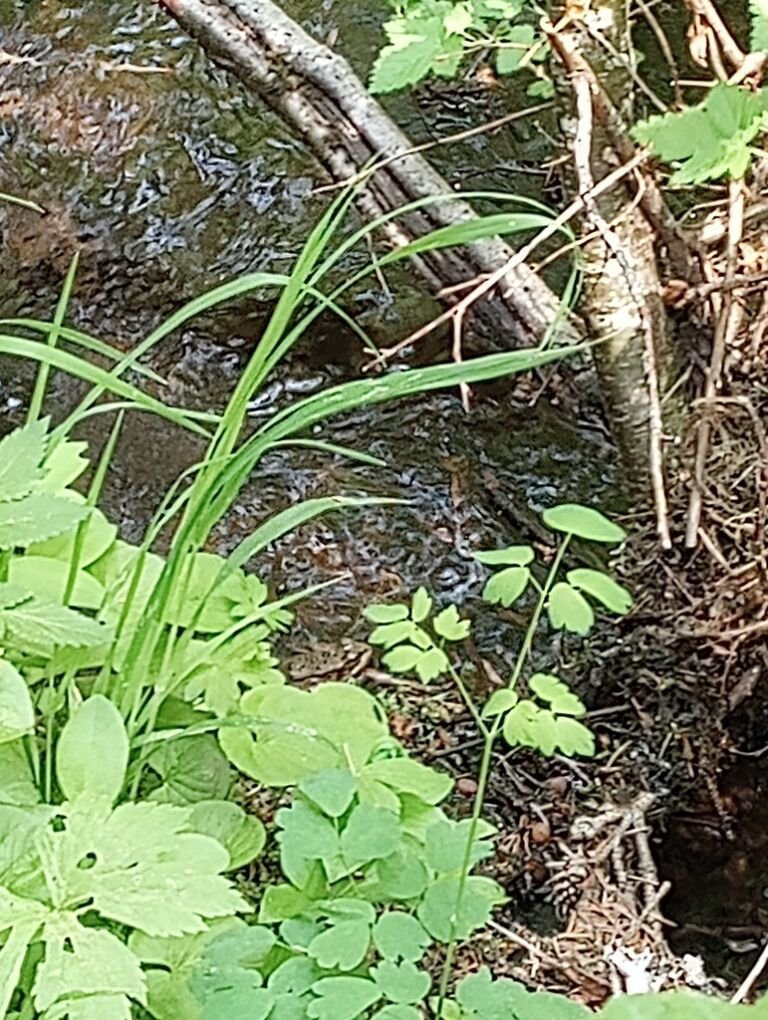 Cascades Frog
Rana cascadae
Jun – Sep
A golden-eyed mountain frog with crisp black spots and honey-yellow undersides, found in high meadow ponds and bogs. A conservation priority in…
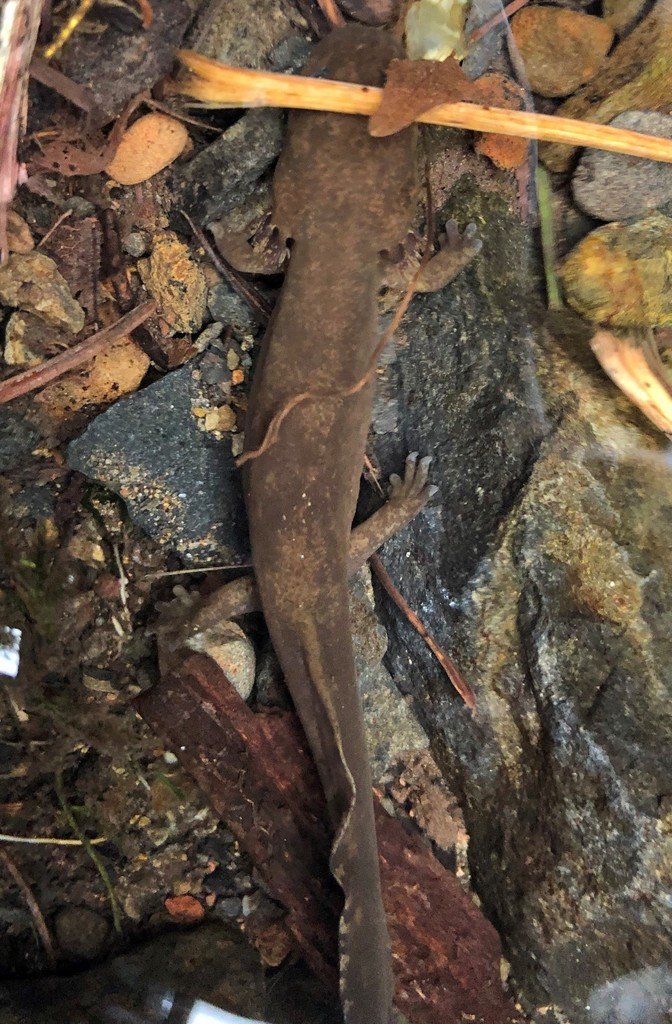 Coastal Giant Salamander
Dicamptodon tenebrosus
Mar – Oct
Oregon's largest salamander, a marbled brown predator of cold forest streams that can bark when it feels threatened.
Mt. Hood sits on a dividing line for its big grazers. Columbian black-tailed deer, a kind of mule deer, live west of the Cascade crest, while mule deer proper use the drier east side and move uphill for summer. Elk split the same way: Roosevelt elk to the west and Rocky Mountain elk to the east, with the national forest spanning the crest between them.
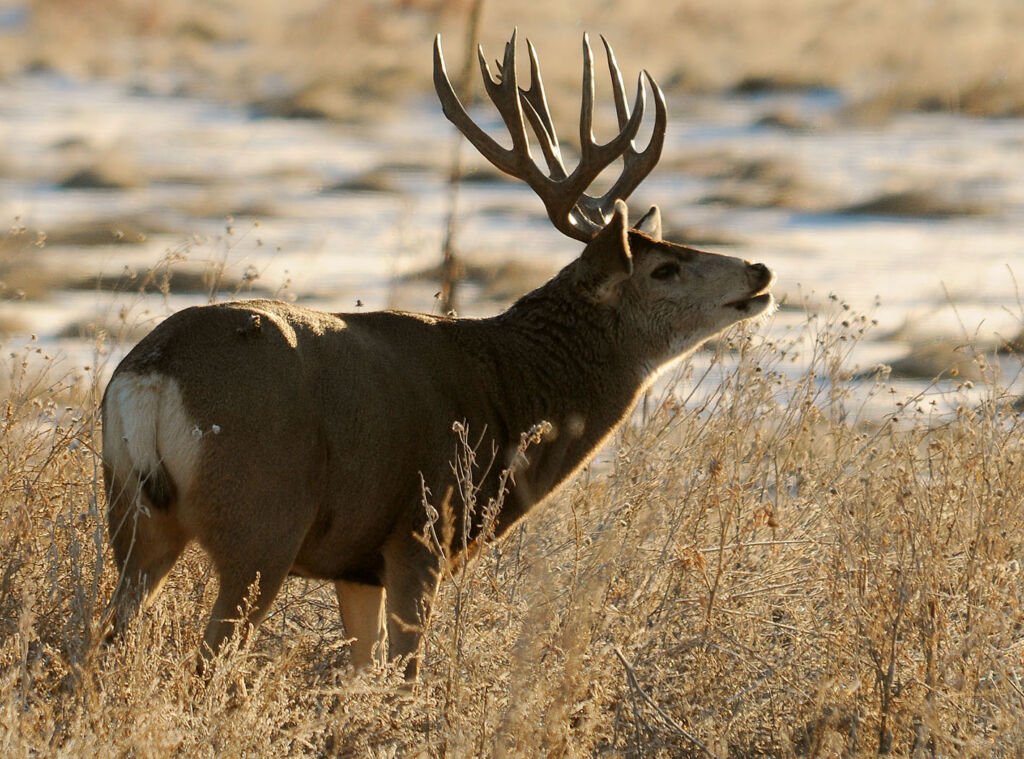
Reported from March to October, in forest, clearings and brushy edges.
Far fewer reports. ODFW says cows defend their calves hard in spring and summer, and bulls in the fall rut may charge anyone who gets too near. Watch from well back, keep dogs leashed and away, and leave a lone calf alone: its mother is likely close by.
The Forest Service tags the Trillium Lake Loop and the Timberline Trail for wildlife viewing. On Lost Lake's Lakeshore Trail it notes beaver activity is common at the inlet, and its West Shore day-use page points to the Timothy Lake Trail for wildlife along the shore. The Timberline Trail is a long wilderness loop, but you can walk a short piece of it from Timberline Lodge.
 Trillium Lake Loop Trail #761
1.8 mi loop
11 ft
Easy
An easy, barrier-free 2-mile loop around Trillium Lake on boardwalk and fine rock, with wetlands and views of Mt. Hood.
 Lakeshore Trail #656
3.1 mi loop
110 ft
Easy
An easy 3.1-mile loop around Lost Lake on boardwalks and through old-growth forest, with Mount Hood views and a barrier-free section.
 Timothy Lake Trail #528
14.8 mi round trip
1,118 ft
Hard
A lakeshore trail at Timothy Lake with views of Mount Hood and Mount Jefferson that joins the Pacific Crest Trail for a…
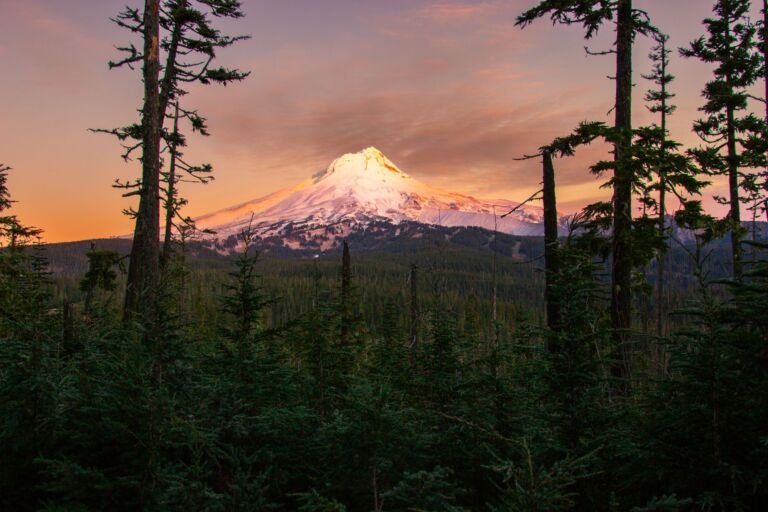 Timberline Trail #600
39.2 mi loop
11,267 ft
Very hard
A loop of about 40 miles around Mt. Hood near tree line, built by the CCC in the 1930s, with waterfalls, alpine…
Fivemile Butte Lookout, open all year, sits in pine and fir forest where the Forest Service says elk, deer, coyotes, cougars and bears visit nearby creeks to drink. Clear Lake Butte Lookout carries the wildlife viewing tag and rents from Nov 1 to May 31, with a ski or snowshoe in for most of that season. West Shore Day Use is a quiet picnic spot on Timothy Lake with the lake trail at its edge.
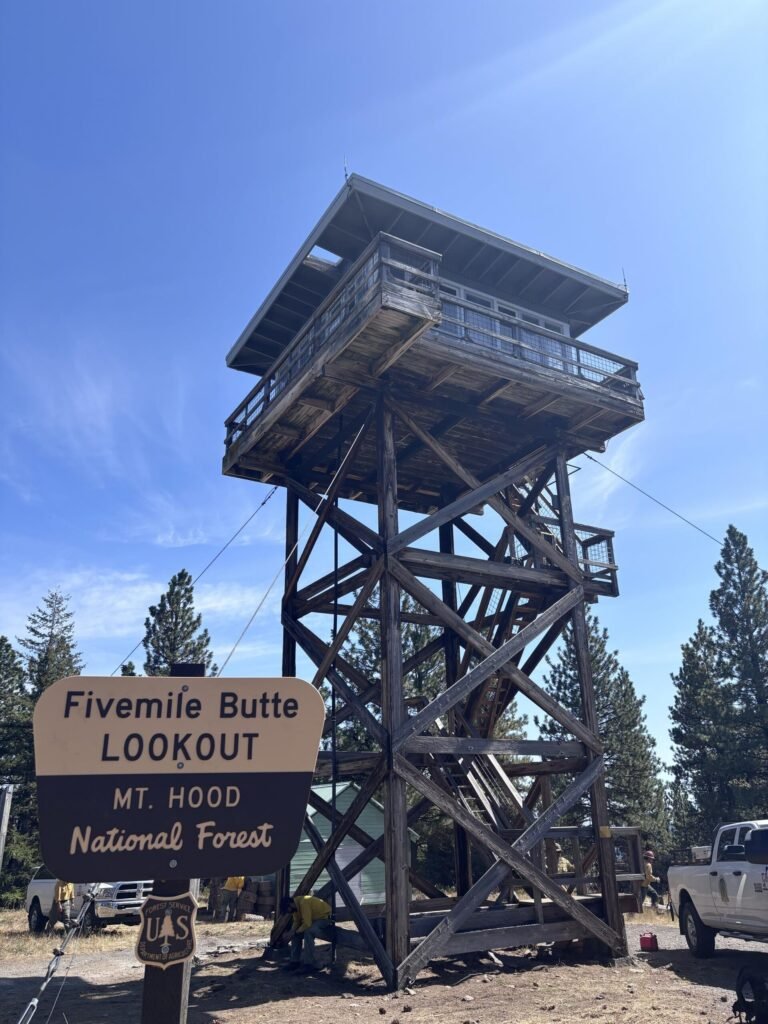 Fivemile Butte Lookout
A rentable fire lookout on a 40-foot tower in the Barlow Ranger District, reached from Dufur by way of Billy Bob Sno-Park.
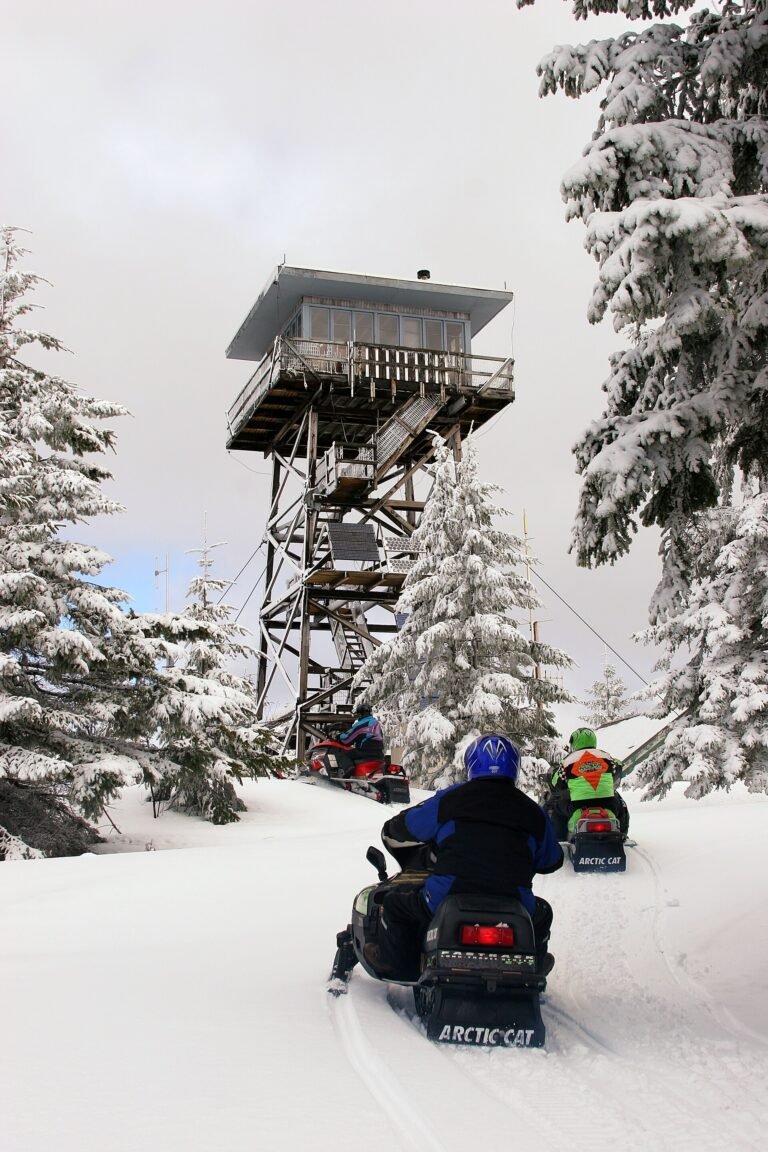 Clear Lake Butte Lookout
Nov – May
A fire lookout rental on a 40-foot tower in the Hood River Ranger District, reached in winter by a 3.5 mile ski…
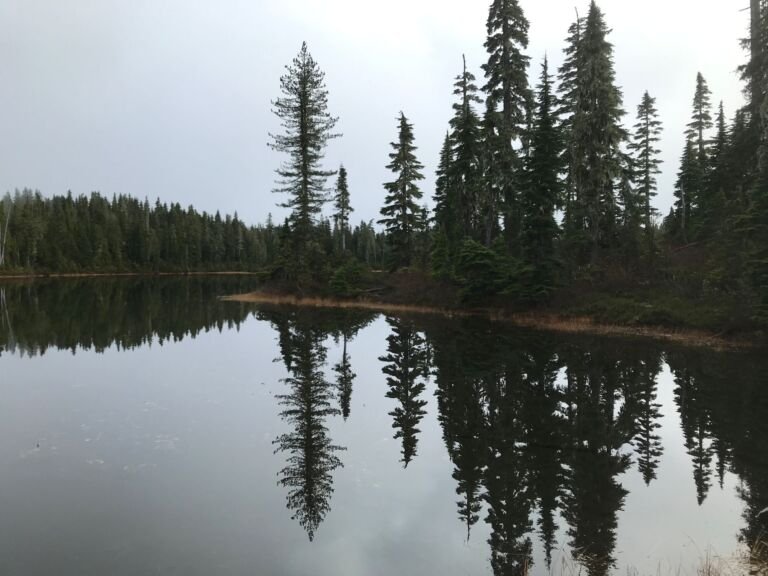 West Shore Day Use (Timothy Lake)
3,227 ft
A shady picnic and paddling spot on the southwest shore of Timothy Lake, with shoreline launching and direct access to the Timothy…