For snowmobiling on Mt. Hood, start at Skyline Sno-Park, the way into groomed trails around Timothy Lake, or at Billy Bob Sno-Park on the east side, where a club grooms the trails regularly. Frog Lake, White River East and Bennett Pass also serve riders.
Snowmobiles aren’t allowed in wilderness or on the Pacific Crest Trail, your sled needs an Oregon snowmobile decal, and every one of these lots but Billy Bob needs a Sno-Park permit. Below are where to ride, the rules, and avalanche and weather safety from official sources.
Two clubs groom snowmobile routes with the Forest Service: the Mt. Hood Snowmobile Club, which covers Skyline, Timothy Lake, Frog Lake and Clear Lake, and the Columbia Gorge Power Sledders on the east side. The clubs also keep up the warming shelters, so respect the trails they work on.
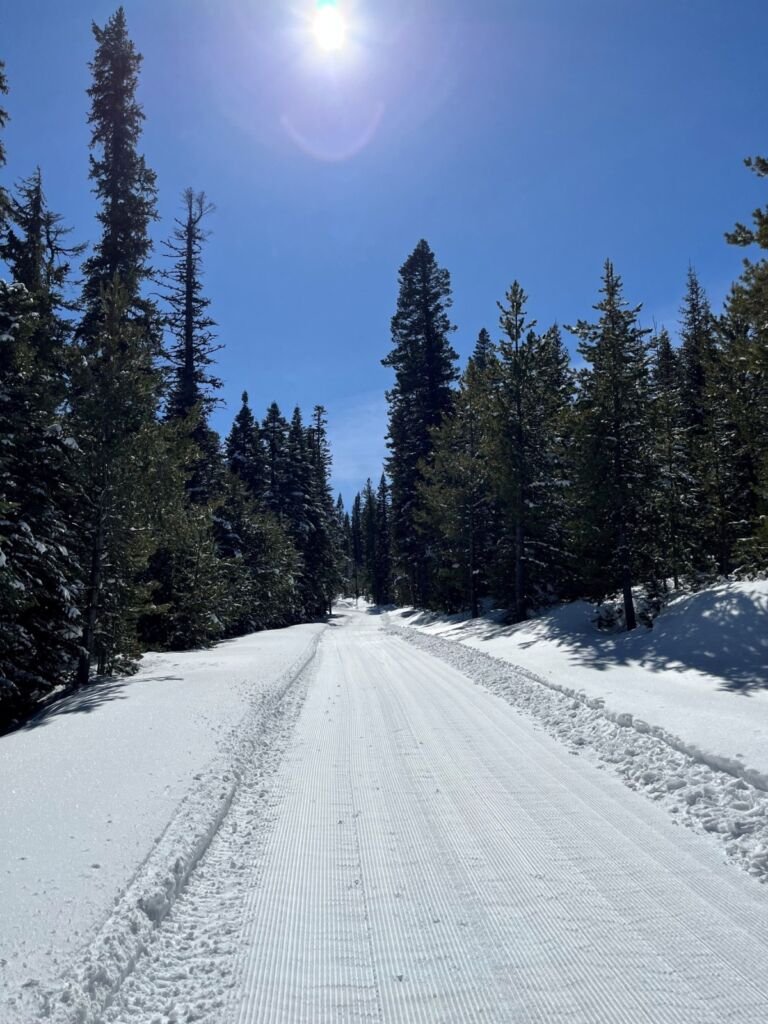
Skyline Sno-Park reaches groomed trails near Timothy Lake, and the Power Sledders groom the trails from Billy Bob regularly.
White River East opens onto the road networks of Forest Roads 48 and 43, which riders share with snowshoers and skiers.
From December 1 to April 1, the roads to Frog Lake (FR 2610) and Clear Lake Campground (FR 2630), plus FR 2640, FR 2660 and the Timothy Lake West Loop (FR 5890), are closed to everything but snowmobiles and OHVs no wider than 50 inches.
Wilderness areas, the Pacific Crest Trail, big game winter range, and any other area closed to sleds. Some groomed routes run right along a wilderness boundary, so know where it is.
The Forest Service, ODOT's TripCheck or both name each of these lots for snowmobiles, and all five have trailer parking.
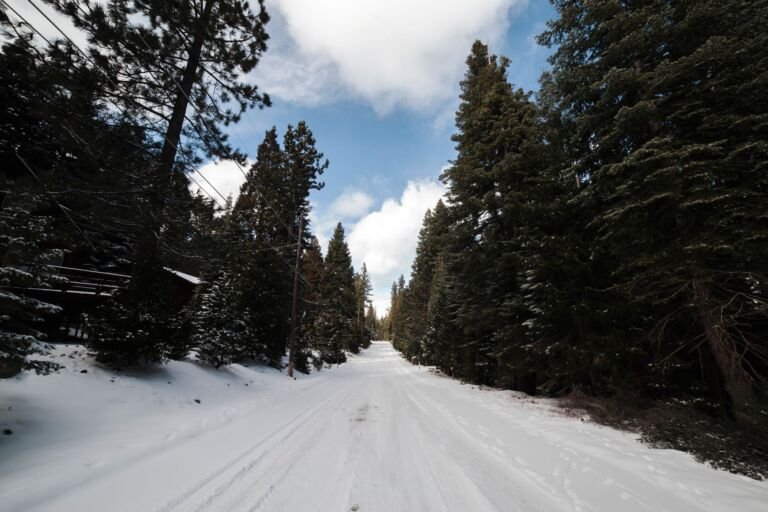
Skyline Sno-Park
A Barlow Ranger District sno-park off Skyline Road with a warming shelter, groomed snowmobile trails near Timothy Lake, and ungroomed ski routes.
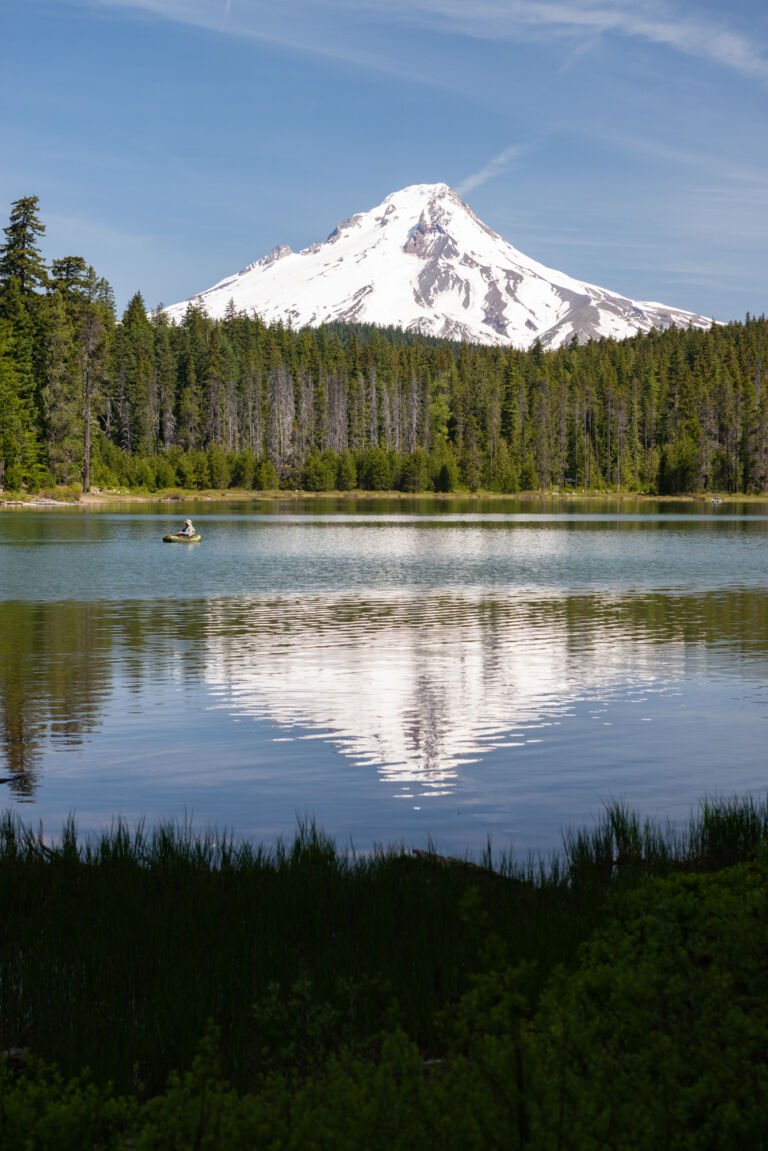
Frog Lake Sno-Park & Trailhead
A trailhead and Sno-Park off Highway 26 with trails to Frog Lake and the Pacific Crest Trail, plus skiing and snowmobiling in…
White River East Sno-Park
A no-frills shared-use sno-park on Highway 35 for snowmobiling, snowshoeing and cross-country skiing on the Forest Road 48 and 43 systems.
Bennett Pass Sno-Park & Trailhead
4,700 ft
A higher-elevation sno-park and trailhead off the Mt. Hood Meadows access road on Highway 35, with vault toilets and room for about…
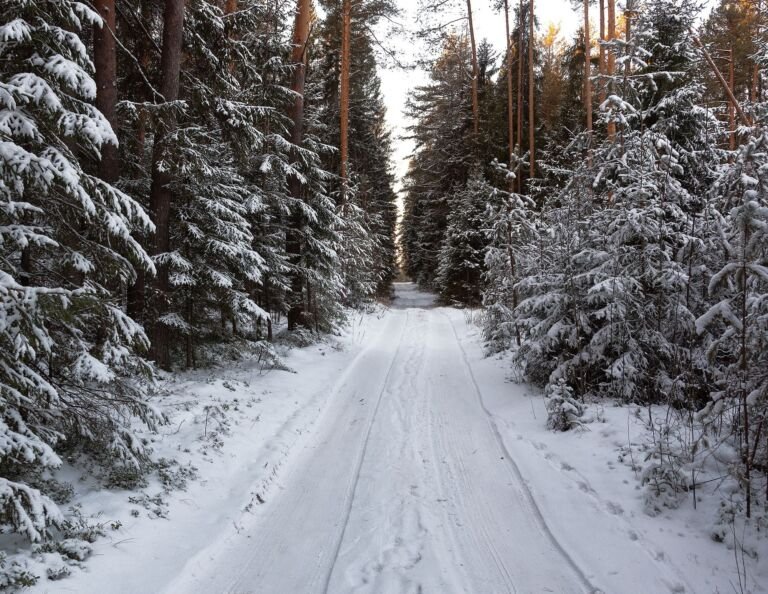
Billy Bob Sno-Park
3,500 ft
A shared-use Sno-Park west of Dufur with groomed snowmobile trails, ungroomed ski routes, and summer staging for mountain biking.
What each lot offers, from the Forest Service pages.
About 10 miles east of Government Camp, off US 26 on Skyline Road. Room for about 50 vehicles with trailers, a warming shelter and vault toilets, plus groomed trails near Timothy Lake.
Off US 26 past the OR 35 junction. Sleds share it with skiers, snowshoers and dog teams, and the Pacific Crest Trail is closed to snowmobiles. Vault toilets.
About 4 miles up OR 35 from the US 26 junction. Room for about 40 vehicles with trailers, and no restroom or other amenities.
At about 4,700 feet off the Mt. Hood Meadows road, with room for about 30 vehicles on a 5 percent grade. In heavy snow years, sleds can't get through the Terrible Traverse, where snow fills a steep canyon.
On Forest Road 44, about 16.5 miles west of Dufur, at about 3,500 feet. In winter you can reach it only from Dufur, not from OR 35. No Sno-Park permit; pay a $5 day-use fee or show a recreation pass.
Two rentable lookouts are a winter snowmobile trip from a Sno-Park. Both book on Recreation.gov, and the Forest Service tells Clear Lake Butte visitors to come with backcountry and survival skills. See all of them on lookout and cabin rentals.
From December 1 through April 30, you reach Clear Lake Butte only by ski, snowshoe or snowmobile, 3.5 miles each way from Skyline Sno-Park. It's $85 a night.
From Billy Bob Sno-Park, the last 3 miles or so to Fivemile Butte are on skis, snowshoes or a snowmobile in winter. It sleeps up to four, and you can book up to 6 months ahead.
The Grasshopper Fire destroyed it, so it's no longer a winter destination.
Oregon DMV handles snowmobile titles and decals, ODOT sells Sno-Park permits, and the Forest Service sets the rules on the trail.
Oregon snowmobiles need a title, registration and a snowmobile decal before they run, even on land you own. Registration costs $30 for two years as of July 6, 2026, up from $10.
Drivers must hold a valid driver license or an Oregon Snowmobile Safety Education Certificate, which comes from the state's course.
If your home state doesn't register snowmobiles, DMV offers a permit to ride in Oregon.
Your tow vehicle needs an Oregon Sno-Park permit from November 1 to April 30: $4 a day, $9 for three days or $25 for the season.
The Forest Service asks riders to yield to skiers, snowshoers and snowcats, ride so you can always stop, and respect ski area uphill policies.
Read the Northwest Avalanche Center forecast for Mt. Hood before every ride, and turn around if the danger is more than your group can handle.
If you travel to upper elevations, especially on volcanoes and the highest peaks, bring avalanche safety equipment. Pay attention to signs of instability, particularly around steep, wind-drifted terrain at these higher elevations, or anywhere you find continuous snow. Early-season obstacles like rocks, creeks, or open crevasses are prominent and can increase the consequences of a fall or small avalanche.
The Forest Service says avalanches are common in the Cascades. A snowmobile can carry you into steep terrain quickly, so prepare before you unload.

Check the Mt. Hood avalanche forecast and the weather before you leave, and watch the snow as you ride.
Every rider carries a transceiver, probe and shovel and knows how to use them.
The Northwest Avalanche Center strongly recommends a Level 1 course and a rescue course for winter backcountry travelers.
NWAC says most avalanches that catch someone are triggered by that person or a member of their party, and a fast rescue by your own group is the best chance of survival.
Ride in small groups, never alone, and leave your route with someone at home.
Wet clothes lose about 90 percent of their warmth. Shivering you can't control and slurred speech are signs of hypothermia.

Towing a trailer up the mountain. When chain signs say 'chains or traction tires required', a vehicle that's towing must use chains. Forest Service roads aren't plowed, so park at a Sno-Park and never on the highway. Skyline Road past Skyline Sno-Park is closed in winter to vehicles over 50 inches wide. Check road conditions and alerts before you load up.
Closed this winter. Little John Sno-Park on OR 35, which the Forest Service guide lists for snowmobiles, is closed under the Grasshopper Fire closure through December 31, 2027, or until it's lifted. See every lot on the Sno-Park list.
Skyline, Billy Bob, Frog Lake, White River East and Bennett Pass Sno-Parks serve snowmobiles. Two clubs groom trails with the Forest Service, near Timothy Lake and Skyline and on the east side from Billy Bob.
Your sled needs an Oregon title and snowmobile decal, $30 for two years, and the driver needs a driver license or a snowmobile safety certificate. Your tow vehicle needs a Sno-Park permit at every lot here except Billy Bob.
No. Snowmobiles are prohibited in wilderness areas and on the Pacific Crest Trail. Some groomed routes run alongside wilderness boundaries, so carry a map and know where they are.
Yes. The Mt. Hood Snowmobile Club grooms routes near Timothy Lake, Skyline, Clear Lake and Frog Lake, and the Columbia Gorge Power Sledders groom the east side, including the trails from Billy Bob.
We don't list tour companies. Anyone who guides for a fee on the national forest needs a Forest Service special use permit, so ask a company about its permit before you book.
It depends on snow. Sno-Park permits run November 1 to April 30, and the winter road rules for sleds apply from December 1 to April 1. Check the snow forecast before you go.
Grooming, road closures and avalanche danger change through the winter. These pages are the source of truth.